

For most drivers of automatic vehicles, the parking brake (often called the handbrake or emergency brake) is that “extra” lever or button they rarely touch. The common logic is simple: “I put the car in Park; why do I need another brake?” However, this line of thinking ignores the mechanical reality of how your transmission works and, more importantly, how it fails.
In 2026, as electronic parking brakes (EPB) become the standard across EVs and gas vehicles alike, the debate over their necessity has resurfaced. Whether you are parking on a flat driveway or a steep incline, neglecting this secondary safety system can lead to expensive mechanical damage and dangerous safety risks.
This guide breaks down the physics of the parking pawl, the risks of “frozen” brake cables, and why using your parking brake every time you park is a habit that could save your transmission.
The Parking Pawl: A Tiny Pin Holding a Ton of Weight
When you shift an automatic transmission into “Park,” you aren’t actually applying a brake. Instead, you are engaging a small metal pin known as the parking pawl.
How the Parking Pawl Works
The parking pawl drops into a notched “parking gear” attached to the transmission’s output shaft. Imagine a small metal finger trying to hold a heavy rotating gear in place. While this pin is strong, it is usually no thicker than a human thumb.
The Risk of Failure
If you park on a hill without the parking brake, the entire weight of your vehicle—often 1,500 to 2,500 kilograms—is resting solely on that tiny metal pin.
The “Clunk” of Death: Have you ever shifted out of Park on a hill and heard a loud, violent clunk? That is the sound of the parking pawl being forcibly ripped out of the gear notch under extreme tension. Over time, this wears down the pin or can even snap it, leading to a “runaway car” scenario.
Corrosion and “Frozen” Brake Cables
One of the biggest ironies of car maintenance is that the less you use the parking brake, the more likely it is to fail when you actually need it in an emergency.
Use It or Lose It
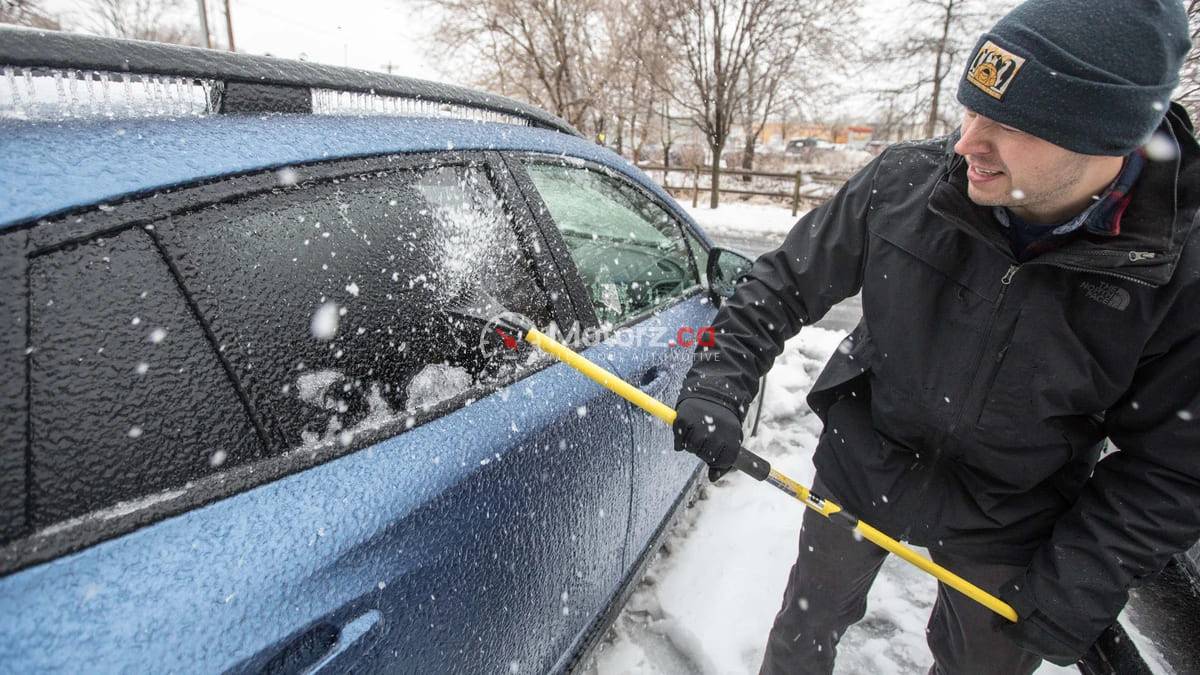
Most traditional parking brakes use a system of steel cables. These cables are exposed to the elements under the car—water, road salt, and dirt.
The Seizing Process: If the cables are never moved, they begin to rust and “seize” inside their protective sheathing.
The Result: The one time you actually decide to pull the lever, the cable might snap, or worse, it might engage and then get stuck in the “on” position, dragging your rear brakes and overheating them as you drive.
Modern Electronic Parking Brakes (EPB)
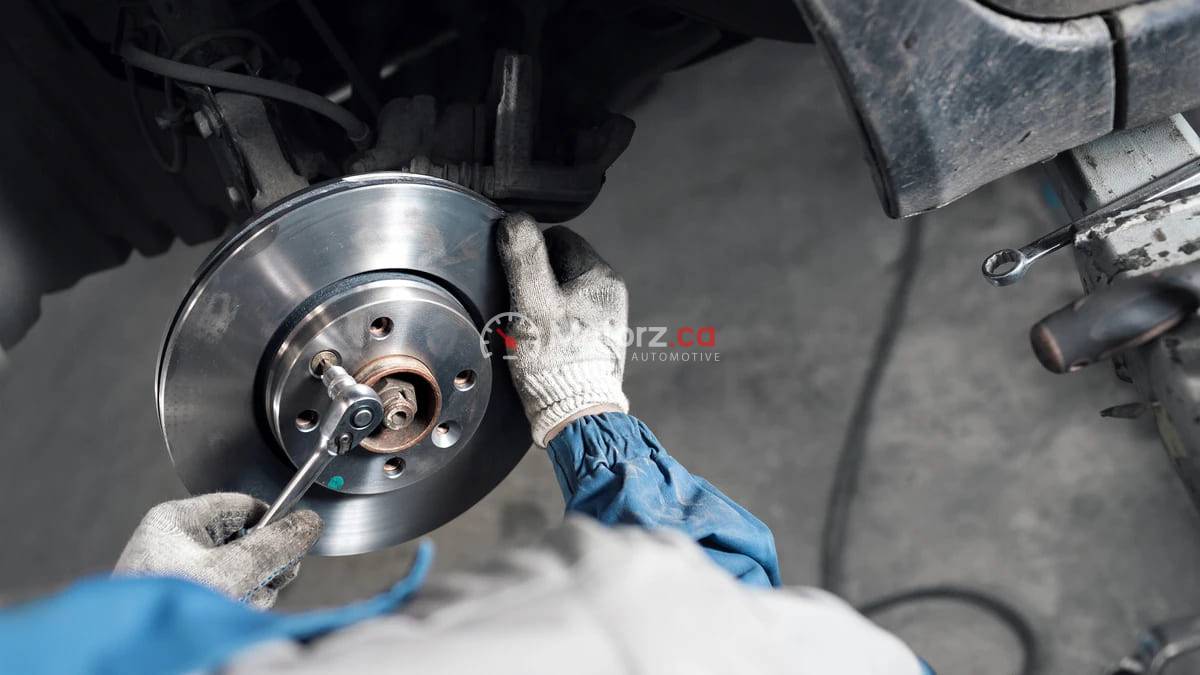
In 2026, many cars use electric motors to squeeze the brake pads. While these don’t have long cables to rust, they still benefit from regular use to keep the motor actuators and screw mechanisms from becoming stuck due to road grime and lack of movement.
Rear Brake Alignment and Self-Adjusters
Many drivers don’t realize that the parking brake plays a functional role in the overall health of their braking system, particularly in vehicles with rear drum brakes or specific disc brake configurations.
The Self-Adjusting Mechanism
In many older or economy vehicles, the mechanism that keeps the rear brake shoes at the proper distance from the drum is triggered by the application of the parking brake.
The Symptom: If you never use the parking brake, your rear brakes may become “out of adjustment,” leading to a low or spongy brake pedal and reduced overall stopping power.
The Fix: Regularly engaging the parking brake ensures these mechanical adjusters stay “clicked” into the correct position, maintaining optimal pedal feel.
Safety and the “Emergency” Scenario
While we call it a “parking brake,” its legal and technical name is often the Emergency Brake.
Redundant Safety
If your primary hydraulic brakes fail due to a burst line or a failed master cylinder, the parking brake is your only mechanical connection to the wheels. It operates independently of the hydraulic system.
If it’s rusted shut: If you haven’t used it in years, and your main brakes fail, you have lost your last line of defense.
Parking Safety: Even on flat ground, if your car is hit while parked, the force can shear a parking pawl. If the parking brake is engaged, the car is much less likely to roll into traffic or a pedestrian.
Make it a Habit
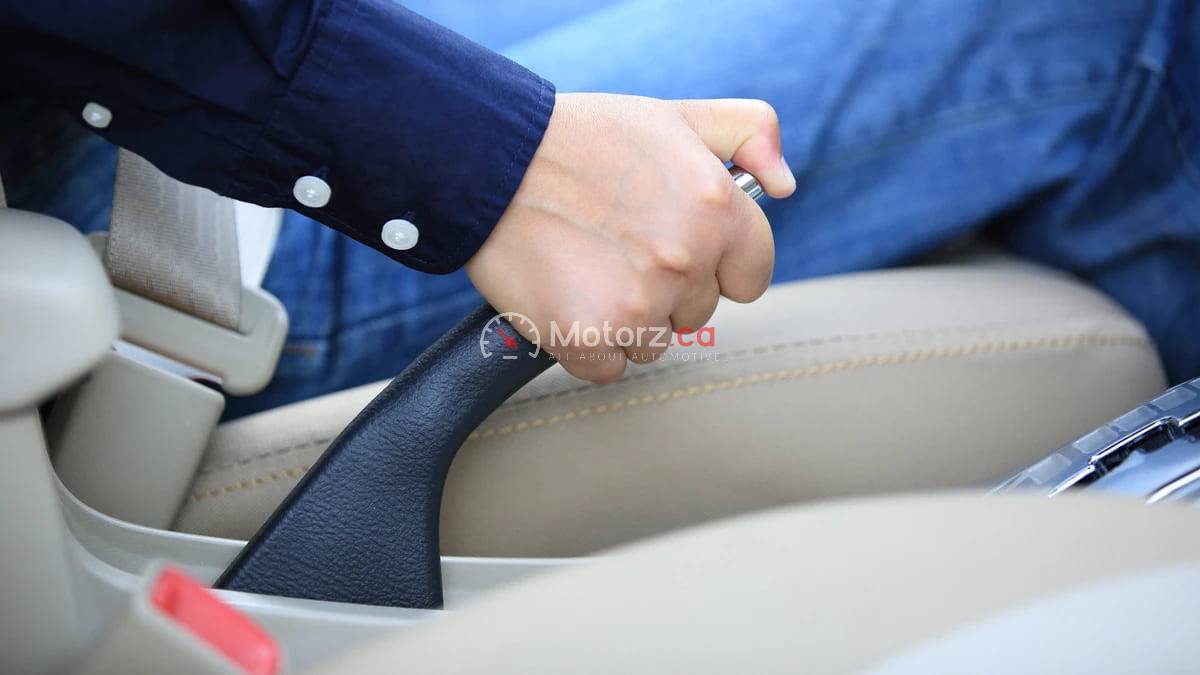
The troubleshooter’s verdict is clear: Set the parking brake every time you park. It takes one second, costs zero units, and protects the most expensive component in your vehicle—the transmission.
By engaging the parking brake before you let your foot off the main brake pedal, you ensure the weight of the car is held by the heavy-duty brakes designed for the task, rather than a tiny pin inside your gearbox. Keep your cables moving, keep your transmission safe, and turn this simple action into a lifelong driving habit.