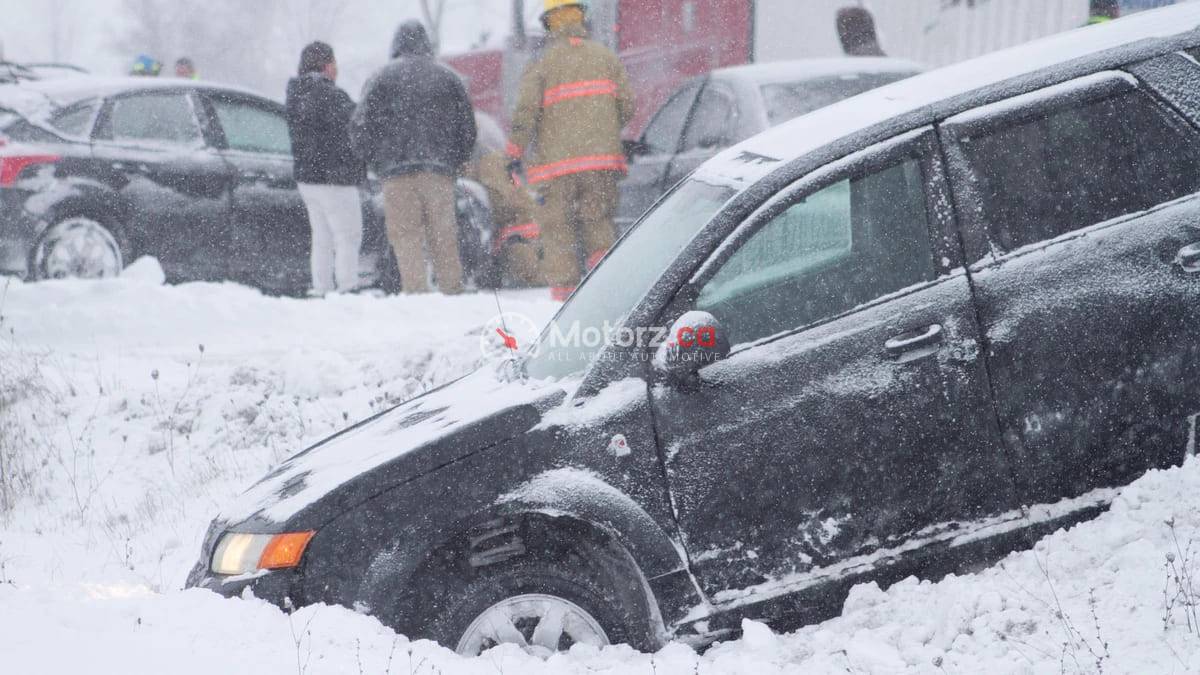
The sound of Collision Repair and Vehicle Restoration metal and shattering glass is a noise no driver ever wants to hear. Whether it was a minor parking lot fender-bender or a more serious highway incident, the moments following a collision are filled with adrenaline, confusion, and a mounting concern for your vehicle. In the past, collision repair was largely about “bang and paint”—straightening a frame and spraying a new coat of color.
However, as we move through 2026, the reality of automotive restoration has changed. Modern vehicles are no longer just steel shells; they are integrated networks of high-strength alloys, sensitive sensors, and complex safety systems. A “simple” bumper repair today often involves recalibrating radar systems and inspecting crumple zones that are designed to sacrifice themselves for your safety.
In this “Corner Wrench” masterclass, we will pull back the curtain on the collision repair process. From the initial insurance estimate to the final scanning of the onboard computers, you will learn exactly what is involved in bringing your vehicle back to factory specifications.
The Collision Repair and Vehicle Restoration: More Than Meets the Eye
The repair process begins the moment your car arrives at the body shop. However, what you see on the surface is rarely the full extent of the damage.
The Detailed Estimate and Teardown
A professional collision center won’t just walk around the car with a clipboard. To provide an accurate estimate, technicians often perform a “teardown.” This involves removing damaged outer panels (like the bumper cover or fender) to inspect the structural reinforcements underneath.
Hidden Damage: Modern cars use “impact absorbers” behind the bumper. These can be crushed while the plastic bumper stays relatively intact.
The Insurance Protocol: The shop works directly with your insurance adjuster to ensure that every necessary part—down to the last plastic clip—is documented for the claim.
Blueprinting the Repair
Once the teardown is complete, the shop creates a “blueprint.” This is a comprehensive plan that outlines every mechanical, structural, and aesthetic step required. This ensures that parts are ordered early and that the vehicle doesn’t sit idle while waiting for a specific sensor or bracket to arrive.
Structural Integrity: Straightening the Backbone
If the collision was severe enough to affect the vehicle’s frame or unibody, the repair enters the most critical phase: structural restoration.
Precision Frame Alignment
Most modern cars use unibody construction, where the frame and body are one integrated unit. To repair this, shops use computerized measuring systems. These systems compare your car’s current dimensions against factory original measurements, accurate to within a single millimeter.
The Pulling Process: Using heavy-duty hydraulic “rams” and chains, the technician carefully pulls the metal back into its original shape.
Metal Fatigue Awareness: High-strength steels used in 2026 vehicles have “memory.” If a structural piece is bent too far, it loses its integrity and must be replaced entirely rather than straightened.
Welding and Bonding Techniques
We have moved far beyond simple spot welding. Today, manufacturers use a combination of structural adhesives (industrial-strength glues) and specialized welding techniques like MIG brazing. Using the wrong welding temperature can actually weaken the surrounding metal, which is why choosing a shop with manufacturer-specific certifications is vital.
The Digital Component: Calibrating the “Brain”
This is the phase of collision repair that didn’t exist twenty years ago, but it is now the most important for your safety. Modern cars are equipped with Advanced Driver Assistance Systems (ADAS).
Pre- and Post-Repair Scanning
Before a single bolt is turned, a technician performs a diagnostic scan of your car’s computer. This identifies “hidden” fault codes in the airbag modules or engine sensors. Once the repair is finished, a second scan is performed to ensure all systems are “Green” and communicating correctly.
ADAS Recalibration
If your bumper or windshield was replaced, the sensors behind them—cameras, radar, and ultrasonic sensors—must be recalibrated.
Static Calibration: This involves placing specific “target” boards around the car in a specialized bay to re-align cameras.
Dynamic Calibration: A technician drives the car at specific speeds on a marked road to allow the sensors to “learn” the environment.
Why it Matters: If a sensor is off by even one millimeter at the bumper, it could be off by several meters at a distance of 50 meters down the road, causing your automatic braking to fail when you need it most.
The Art of Refinishing: Matching the “Factory” Look
Once the car is structurally sound and the sensors are aligned, it moves to the paint department. This is where the vehicle regains its shelf-appeal.
Computerized Color Matching
Automotive paint fades over time due to UV exposure. A shop cannot simply look up your “paint code” and spray it on. Instead, they use a spectrophotometer, a device that “reads” the actual color of your car’s current paint. A computer then generates a custom formula to ensure the new fender matches the three-year-old door perfectly.
The Clean Room Environment
Paint is applied in a pressurized, heated “down-draft” spray booth. This environment ensures that no dust or contaminants land in the wet paint. Following the base coat, a “clear coat” is applied to provide that deep gloss and protect the color from the elements. This clear coat is then baked at high temperatures to ensure a durable, factory-hard finish.
Reassembly and Final Quality Control
The final stage is where all the pieces of the puzzle come back together.
Interior and Trim: Technicians reinstall door handles, lights, and interior panels. Every electrical connection is checked, from the power windows to the heated mirrors.
The Road Test: A final test drive is conducted to ensure there are no new wind noises, rattles, or alignment issues.
Final Detailing: The car is cleaned, polished, and inspected under high-intensity lights to ensure the finish is flawless.
Your Right to a Safe Repair
Collision repair in 2026 is a blend of heavy-duty structural engineering and delicate computer science. As a vehicle owner, you have the right to choose your repair facility. Look for a shop that prioritizes transparency, uses computerized measuring, and—most importantly—understands the necessity of ADAS recalibration.
A car that “looks” fixed is not the same as a car that is “safe.” By understanding the complexity involved in modern restoration, you can ensure your vehicle returns to the road in the same condition it left the factory: strong, smart, and secure.