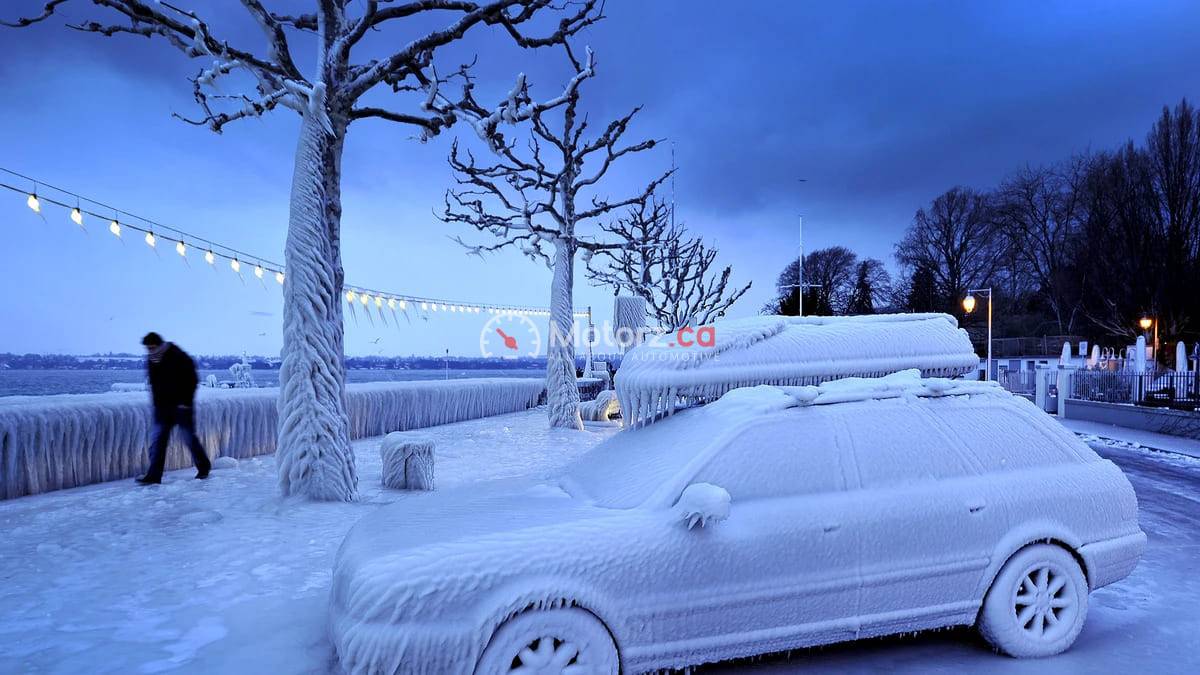
The alarm goes off Sub-Zero Weather Outside, a polar vortex has transformed your driveway into a scene from an arctic expedition. You bundled up, trekked through the snow, and climbed into the driver’s seat, only to be met with a sluggish groan from the engine or, worse, total silence. Having a frozen car is more than an inconvenience; in 2026, with our heavy reliance on sensitive vehicle electronics and battery-dependent systems, it can be a genuine mechanical emergency.
Whether your doors are frozen shut, your battery has lost its spark, or your engine block is sitting in a deep freeze, knowing how to handle a frozen vehicle without causing permanent damage is a vital skill. In this guide, we will walk you through the “Corner Wrench” secrets to thawing out your ride safely and effectively.
The Sub-Zero Weather: How to Open Frozen Doors and Locks
Before you can even worry about the engine, you have to get inside. When freezing rain or melting snow seeps into door seals and then freezes overnight, it creates a powerful adhesive bond.
Don’t Yank the Handle
The natural instinct is to pull as hard as possible. In 2026, many vehicles use plastic composite handles or electronic latches that can easily snap or malfunction under extreme force. Instead of pulling, try pushing. Lean your weight against the door to break the ice seal around the rubber gaskets.
Thawing the Lock and Seal
If pushing doesn’t work, avoid pouring boiling water on the vehicle electronics and battery. The extreme temperature shift can shatter window glass or crack paint. Instead:
Use Lukewarm Water: Fill a container with lukewarm water and pour it over the door frame.
Hand Sanitizer: The alcohol in hand sanitizer can melt ice inside a lock cylinder.
Silicon Lubricant: As a preventative measure, wipe your rubber seals with silicon spray before the winter starts to prevent them from sticking.
The Battery Struggle: Why Cold Kills Your Cold Cranking Amps
If you turn the key (or push the button) and hear a rapid clicking sound, your battery is the culprit. Batteries are chemical devices, and chemical reactions slow down significantly in the cold. At minus 18 Celsius, a lead-acid battery loses about 60 percent of its starting power.
The “Waking Up” Trick
Before you try to start a deeply frozen car, turn on your headlights for about 30 seconds. This might seem counterintuitive, but it pulls a small amount of current through the battery, effectively “waking up” the chemistry and warming it up just enough to provide a stronger burst for the starter motor.
Jump-Starting in 2026
Modern vehicles, especially hybrids and those with sensitive Electronic Control Units (ECUs), require care during a jump-start. Always connect the positive terminals first. When connecting the negative cable to the “dead” car, attach it to an unpainted metal part of the engine block rather than the battery terminal to avoid a spark near potentially flammable battery gases.
Engine Block Care: Thawing the Heart of the Machine
If the battery is strong but the engine still won’t fire, your oil might be the problem. In extreme cold, conventional motor oil thickens to the consistency of molasses, making it nearly impossible for the internal components to move.
The Advantage of Synthetic Oil
One of the best “Corner Wrench” tips is switching to a full synthetic oil with a low winter viscosity (like 0W-20). Synthetic oils are engineered to stay fluid at much lower temperatures than conventional oil, allowing the engine to turn over more freely during a cold start.
Block Heaters and Battery Blankets
If you live in a region where temperatures regularly stay below minus 15 Celsius, a block heater is not optional. Plugging in your car for just three hours before you drive warms the coolant and the engine block, reducing wear and tear by ensuring the oil flows immediately upon startup.
Frozen Fluids: Gas Lines and Washer Fluid
Sometimes the engine turns over fine, but it simply won’t “catch.” This often points to a fuel or fluid issue.
Gas Line Antifreeze
If there is even a tiny amount of moisture in your fuel tank, it can freeze inside the narrow fuel lines, creating an “ice plug” that stops gasoline from reaching the engine. Keeping your tank at least half-full during winter reduces the amount of empty space where condensation can form. Adding a bottle of fuel line antifreeze (isopropyl alcohol) can help absorb this moisture.
The Washer Fluid Mistake
If you pull the lever and nothing happens, your washer fluid is likely frozen in the lines or the reservoir. Do not keep holding the lever, as this can burn out the small electric pump. You will need to wait until the engine heat thaws the lines, or pull the car into a heated garage for an hour. Ensure you are using fluid rated for minus 40 Celsius.
Moving Off: Dealing with Frozen Brakes and Tires
Even if the engine starts, you might find that the car refuses to move.
The Frozen Parking Brake
If you set your parking brake while the rotors were wet and it froze overnight, your rear wheels will be locked. If the car won’t budge, try gently rocking it back and forth between Drive and Reverse. The mechanical force is often enough to “pop” the ice bond on the brake pads.
Flat Spots on Tires
In extreme cold, the air inside your tires contracts, leading to lower pressure. Additionally, the rubber can develop “flat spots” where it sat on the frozen ground. Don’t panic if you feel a vibration for the first few kilometers of your drive; as the tires warm up from friction, the rubber will soften and the vibration should disappear.
Patience is the Best Tool
When your car is frozen, speed is your enemy. Forcing a frozen door, over-cranking a cold engine, or pouring hot water on a cold windshield will only lead to expensive repair bills. By using the “Corner Wrench” approach—waking up the battery, using synthetic fluids, and allowing for a proper warm-up period—you can ensure your vehicle survives the winter without a trip to the shop.
The best way to handle a frozen car is to prevent it. Use a block heater, keep your battery charged, and treat your door seals before the snow flies. But when the deep freeze happens, stay calm, follow the steps above, and give your car the time it needs to thaw out safely.