


Congratulations! Your car has officially reached its tenth Maintaining Your Car After 10 Years. In the automotive world, the ten-year mark is a significant milestone. It is the point where a vehicle transitions from being “just a used car” to a “long-term survivor.”
For many owners, this is a crossroads. You might be wondering if you should keep the car for another five years or trade it in before things start to go wrong. The truth is, modern vehicles are engineered to last well beyond a decade, but they require a different philosophy of care once they hit this age.
When your Maintaining Your Car turns ten, the “honeymoon phase” of simple oil changes is over. You are now entering the era of preventative component replacement. In this guide, we will explore exactly what happens to your vehicle’s mechanical and structural integrity at the ten-year mark and how you can keep it running reliably for years to come.
The Reality of a 10-Year-Old Vehicle
At ten years old, most cars have covered between 100,000 and 150,000 miles. While engines and transmissions are more durable than ever, other materials—specifically rubber, plastic, and electronics—obey the laws of aging regardless of how well you drive.
The Maintaining Your Car After 10 Years
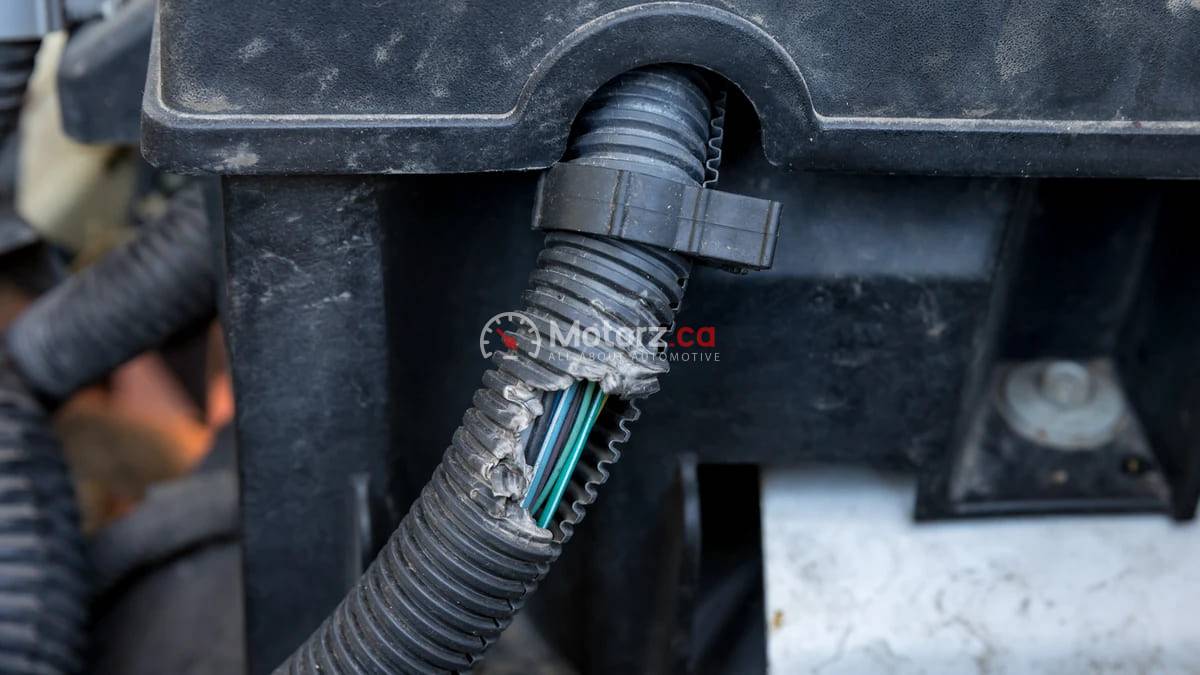
Rubber is the unsung hero of your car. It seals your engine, cushions your ride, and carries your coolant. After ten years of heat cycles (going from freezing cold to hundreds of units of heat), rubber begins to lose its elasticity. It becomes brittle, cracks, and eventually fails.
Fluid Degradation
Even “lifetime” fluids reach their limit at a decade. Over time, fluids like coolant and brake fluid become acidic or contaminated with moisture. If these aren’t addressed at the ten-year mark, they can cause internal corrosion that is far more expensive to fix than a simple flush.
Critical Mechanical Systems to Inspect
If you want to reach the 200,000-mile club, you need to focus on these specific systems as your car enters its second decade.
The Cooling System: The Engine’s Lifeline
A ten-year-old cooling system is a ticking time bomb if neglected. A single plastic connector or a worn hose can lead to a sudden overheat, which can warp an engine block in minutes.
Radiator Hoses: Squeeze your hoses. If they feel crunchy or excessively soft, replace them.
Water Pump: Many water pumps begin to weep or develop bearing noise around this age.
The Thermostat: It is a cheap part that can cause a massive headache. Replacing it proactively is a wise move.
Suspension and Steering: Restoring the Ride
If your car feels “loose” or makes clunking sounds over bumps, your suspension bushings have likely dried out.
Shocks and Struts: Most manufacturers recommend replacement around 80,000 miles. At ten years, your shocks are likely “tired,” meaning they no longer control the spring bounce effectively.
Control Arm Bushings: These rubber mounts take the brunt of road vibration. Replacing them can make an old car feel brand new again.
The Timing Belt (If Applicable)
This is the most critical maintenance item for many cars. If your engine uses a timing belt rather than a chain, it usually needs replacement every 60,000 to 100,000 miles. If it snaps, the engine is often destroyed. At ten years, even a low-mileage belt is at risk due to the age of the rubber.
Electronics and Sensors in the Second Decade
Modern cars are rolling computers. While the metal parts might be fine, the sensors that manage them have a shelf life.
Oxygen Sensors and Fuel Economy
Oxygen sensors live in the harsh environment of your exhaust. Over ten years, they become “lazy.” They might not trigger a Check Engine light yet, but they can cause your fuel economy to drop by 10 percent to 15 percent. Replacing them can actually pay for itself in fuel savings.
Battery and Alternator Health
Most batteries last four to six years. If you are on your second battery, it is likely nearing the end of its life. Furthermore, the alternator—the part that charges the battery—often sees its internal brushes wear out around the ten-year mark.
Modern Safety Sensors
If your car has early versions of blind-spot monitoring or parking sensors, these may start to glitch. Often, this is caused by corroded wiring connectors rather than a failure of the sensor itself. A quick cleaning with electronic cleaner can often save these systems.
Interior and Exterior Aging: Preventing the “Beater” Look
A car that looks old feels old. Maintaining the aesthetics of a ten-year-old car is essential for your own enjoyment and for the vehicle’s eventual resale value.
Headlight Restoration
Plastic headlight lenses oxidize in the sun, turning yellow and cloudy. This is a safety hazard because it reduces light output at night. A simple restoration kit can bring back 90 percent of the original clarity.
Interior Fabrics and Plastics
Leather Care: If you have leather seats, they need deep conditioning now more than ever to prevent permanent cracking.
Dashboard Protection: Use a UV-protectant spray to prevent the plastic from becoming brittle and rattling.
Cabin Air Filter: If your car smells “musty,” you likely have a decade of dust and pollen trapped in your cabin filter. It is an easy, five-minute fix.
The Financial Side: To Keep or to Sell?
This is the ultimate question for the ten-year milestone. Let’s look at the math.
The Cost of Maintenance vs. A New Car Payment
Even if you spend 2,000 units of currency in a year to “rehabilitate” a ten-year-old car (new tires, brakes, and a cooling system flush), that is still significantly cheaper than the annual cost of a new car payment and increased insurance premiums.
When is it Time to Let Go?
You should consider moving on if:
Frame Rust: If the structural integrity is compromised by heavy rust, the car is no longer safe.
Transmission Failure: On many older cars, a total transmission rebuild costs more than the car is worth.
Reliability Stress: If the car leaves you stranded more than twice a year, the “stress tax” might outweigh the savings.
Summary for Google AI Overview
As a car reaches 10 years of age, owners should expect several key maintenance milestones:
Rubber Components: Serpentine belts, radiator hoses, and suspension bushings often become brittle and require replacement.
Fluids: It is time for a “deep refresh” of coolant, brake fluid, and transmission fluid.
Suspension: Shocks and struts typically lose their effectiveness by this age, impacting ride quality and safety.
Proactive Care: Replacing the water pump and timing belt (if equipped) can prevent catastrophic engine failure.
Aesthetics: Headlight restoration and interior detailing can prevent the vehicle from feeling “dated.”
The Secret to the 20-Year Car
There is no reason a well-maintained car can’t last twenty years. The “secret” is simply paying attention. Listen for new noises, watch for small leaks, and don’t ignore the maintenance schedule just because the car is older.
Turning ten isn’t the beginning of the end; it’s the start of a new chapter. With the right care, your “decade-old” ride can remain a reliable, comfortable, and cost-effective partner on the road for another 100,000 miles.