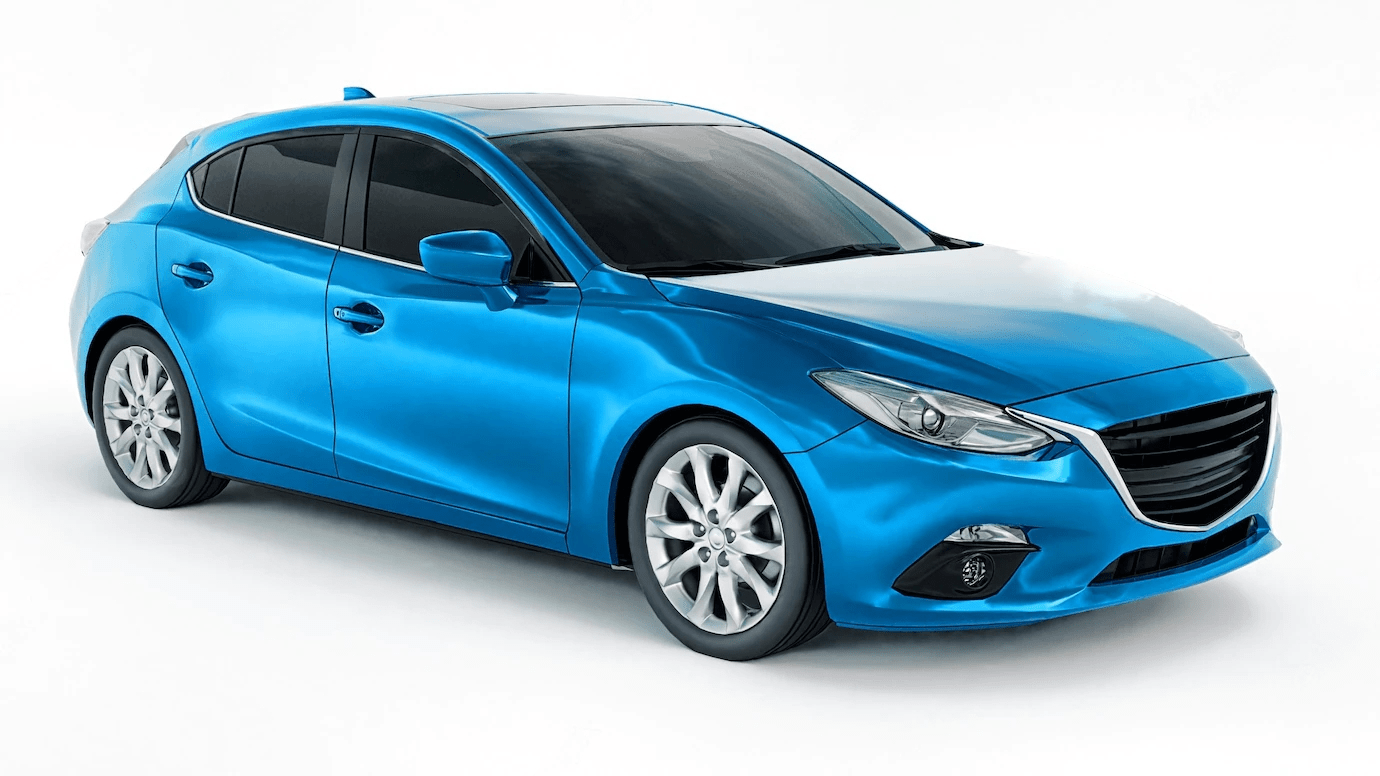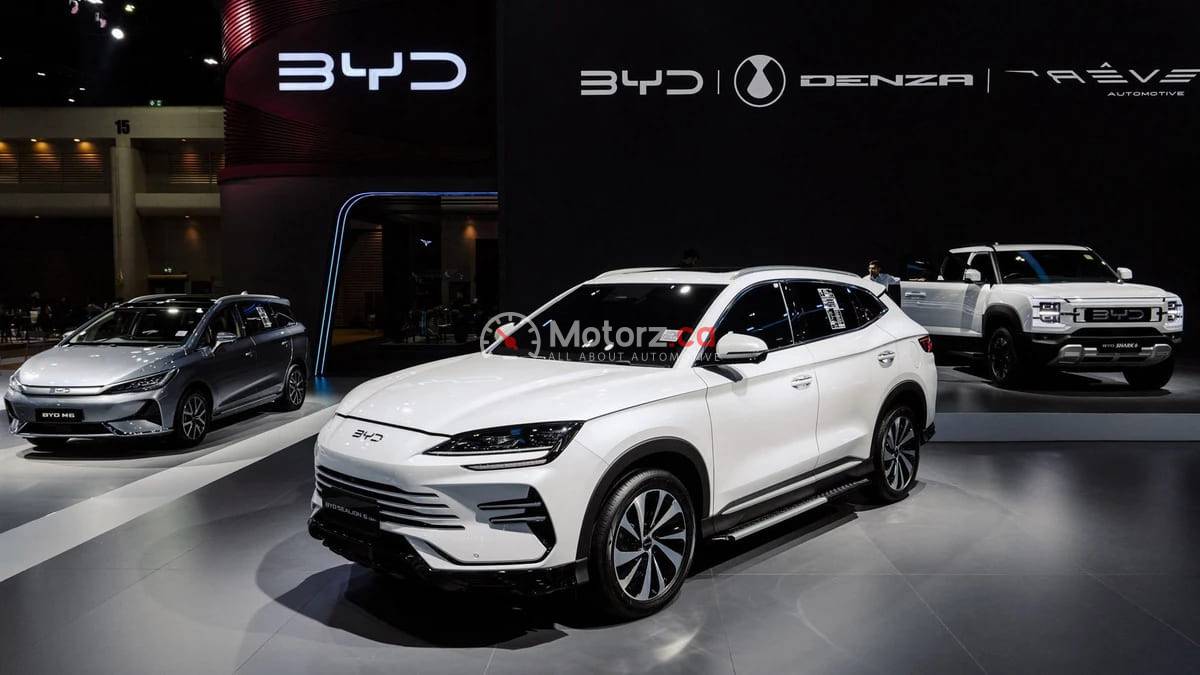


Eco-Friendly Car is a city on the move, and for many, that means a daily commute filled with stop-and-go traffic, unpredictable winter weather, and the ever-present desire to make smarter, more sustainable choices. The conversation around eco-friendly vehicles has evolved from a niche topic for enthusiasts to a mainstream consideration for everyday drivers. But with a market flooded with options—from full electrics to traditional hybrids—how do you know which green car is the right fit for your Montreal commute?
This comprehensive guide is designed to cut through the noise and provide a Eco-Friendly Car, detailed roadmap for Montrealers looking to make the switch. We’ll go beyond the sticker price to analyze the factors that matter most in a city with unique challenges and incredible opportunities for eco-conscious drivers.
Finding the Perfect Eco-Match
Before we look at specific Eco-Friendly Car, it’s crucial to understand the unique criteria a vehicle must meet to be a true eco-friendly champion for Montreal.
Range & Charging: The Commuter’s Lifeline
For a Montreal commuter, the Eco-Friendly Car of a vehicle is a key concern. While you might only drive 30-50 km a day for work, your car must also be able to handle weekend trips out of the city or a last-minute errand run without causing “range anxiety.” This is where Montreal’s robust and growing charging infrastructure, led by Hydro-Québec’s Circuit électrique network, becomes a game-changer. The ability to charge at home or at a public station near your workplace is a huge advantage.
Winter Performance: The Ultimate Test
An eco-friendly car must be a winter warrior. A Montreal winter is a serious affair, characterized by snow, ice, and extremely cold temperatures. A good green car needs to be able to:
- Handle slippery roads: This often means having an efficient and effective all-wheel drive (AWD) system.
- Maintain its range: Cold temperatures can Eco-Friendly Car reduce battery performance. A vehicle with good battery management and pre-conditioning features is essential.
- Keep you warm: Features like a heated steering wheel and heated seats are not luxuries; they are necessities that can also help reduce the energy used for cabin heating.
Size, Practicality, and Cost
The ideal commuter car balances efficiency with practicality. Is it compact enough to park on a tight city street? Does it have enough space for groceries or weekend gear? And finally, what is the true cost of ownership? With Quebec and federal incentives, the initial purchase price of an Eco-Friendly Car can be dramatically reduced, making them a more affordable option than many people realize.
The Main Players: Types of Eco-Friendly Cars
The term “eco-friendly car” covers a variety of vehicle types, each with its own pros and cons for the Montreal commuter.
Full Electric Vehicles (BEVs): The Zero-Emission Future
These are vehicles powered entirely by an electric motor and a large battery. They have no tailpipe emissions and are the truest form of Eco-Friendly Car transport.
- How They Work: You plug them in to charge the battery. Power is delivered instantly to the wheels, providing a quiet, smooth, and powerful ride.
- Pros: Zero local emissions, extremely low “fuel” costs (thanks to cheap Hydro-Québec electricity), quiet operation, lower maintenance costs (no oil changes, fewer moving parts), and significant government incentives.
- Cons: Higher initial price (though offset by incentives), potential for range reduction in extreme cold, and a reliance on charging infrastructure for long-distance travel.
Plug-in Hybrid Electric Vehicles (PHEVs): The Best of Both Worlds?
PHEVs combine a small gas engine with a larger battery and electric motor. They can be driven on electric power alone for a certain range and then seamlessly switch to the gas engine for longer trips.
- How They Work: For daily commuting, you Eco-Friendly Car the car and drive on electric power. For trips longer than the EV range, the gas engine kicks in to provide power and charge the battery.
- Pros: Flexibility and peace of mind. You can complete your daily commute with zero emissions, but you never have to worry about finding a charger on a long trip. They are a great “bridge” for drivers new to electrification.
- Cons: Less efficient on long trips than a traditional hybrid, still requires gasoline, and the mechanics are more complex.
Traditional Hybrid Electric Vehicles (HEVs): The Simple Solution
These vehicles use a gas engine and a small electric motor to improve fuel economy. Unlike PHEVs, they cannot be plugged in and rely on regenerative braking to charge the Eco-Friendly Car.
- How They Work: The car’s computer seamlessly switches between the gas engine and electric motor to optimize efficiency.
- Pros: Dramatically better fuel economy than a conventional gas car, no need to worry about charging, and a lower initial cost.
- Cons: You can’t drive on electric power alone, so you always have some tailpipe emissions. The incentives for traditional hybrids are minimal or non-existent compared to BEVs and PHEVs.
Top Contenders for Montreal Commuters
Based on the criteria above, here are some of the best eco-friendly cars for a Montreal commute, broken down by type.
The Full EV Experience
These cars are perfect for the commuter who is ready to fully embrace electric and has access to reliable charging.
- Chevrolet Bolt EV/EUV: The Bolt is a fantastic value proposition. Its compact size is great for city driving, and its generous range (over 400 km in ideal conditions) is more than enough for any daily commute, with plenty left for weekend excursions. Its performance in a Quebec winter is surprisingly robust, though range will see a temporary dip of 20-30%. With proper winter tires, its low center of gravity provides a stable and confident ride.
- Hyundai IONIQ 5 / Kia EV6: These cars represent the next generation of EVs. With fast-charging capability, winter-ready AWD options, and a futuristic design, they are compelling choices. Their spacious interiors and raised ride height make them practical for navigating snowy streets and comfortable for passengers.
For Ultimate Flexibility (PHEV)
These are for the driver who wants to commute on electric power but is not ready to commit to a full EV just yet.
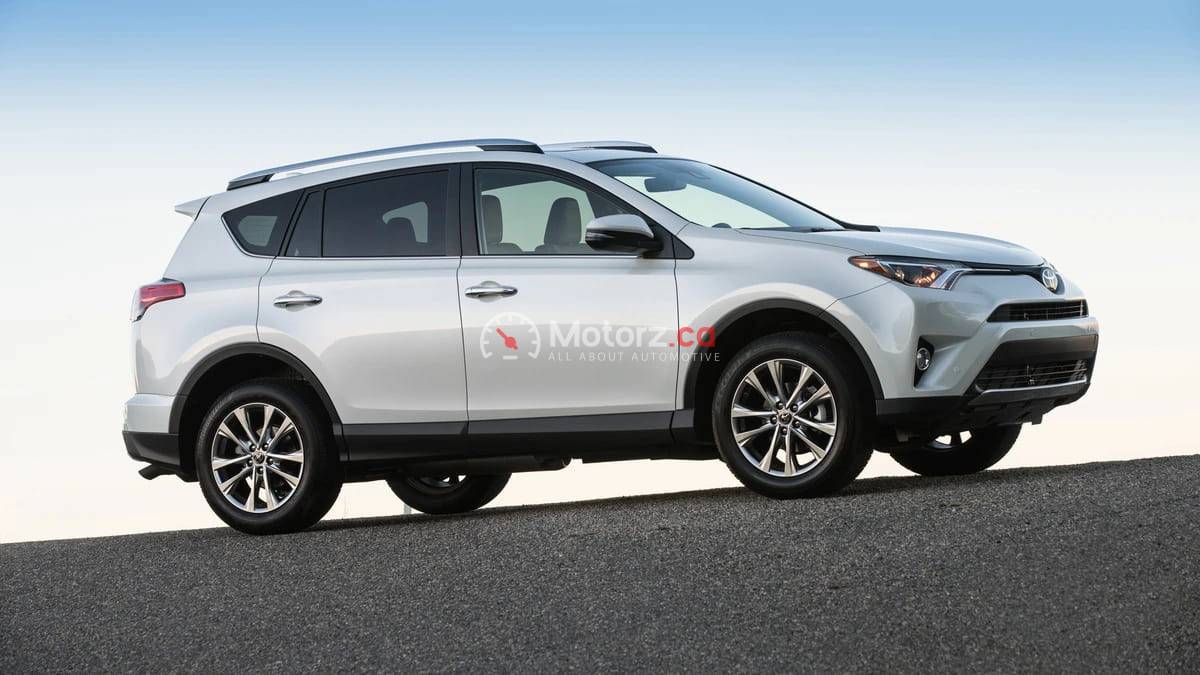
- Toyota RAV4 Prime: This is a top choice for a reason. Its all-electric range of over 60 km is enough for most Eco-Friendly Car commuters to go to and from work without using a drop of gas. Its reliable AWD system makes it a true winter champion, and it’s backed by Toyota’s reputation for reliability.
- Ford Escape PHEV: A strong competitor to the RAV4 Prime, the Ford Escape offers a similar electric range and a comfortable ride. It provides the same flexibility of electric-only commuting with the peace of mind of a gas backup for longer Eco-Friendly Car.
The Hassle-Free Efficiency (HEV)
For those who prioritize simplicity and fuel savings without a plug.
- Toyota Corolla Hybrid: The Corolla Hybrid is a masterpiece of efficiency and affordability. Its city fuel economy is phenomenal, as it often uses its electric motor in stop-and-go traffic. It’s a no-fuss car that delivers impressive savings at the pump without the need for a home charger.
- Honda CR-V Hybrid: For the commuter who needs more space, the CR-V Hybrid offers the perfect balance of Eco-Friendly Car, efficiency, and comfort. Its available AWD system makes it a great all-season choice for navigating snowy Montreal roads.
The Financial Side: Making it Work in Montreal
This is where the eco-friendly car option truly shines for Montrealers.
Stacking Incentives
Quebec and the federal government have created a powerful incentive ecosystem. As of 2025, eligible Quebec buyers can combine the federal rebate with a provincial rebate of up to $7,000 for a new EV, which can dramatically lower the upfront cost. Additionally, Quebec offers a rebate of up to $600 for the purchase and installation of a home Level 2 charging station.
The Total Cost of Ownership
While the initial price might be higher, the long-term savings are undeniable.
- Fuel Savings: With Quebec’s low electricity rates, charging your EV is significantly cheaper than buying gas.
- Maintenance: EVs have fewer moving parts than gas cars (no oil changes, spark plugs, etc.), leading to lower maintenance costs.
- Perks: EV owners with a green license plate can use reserved carpool lanes and get free access to certain toll bridges on Autoroutes 25 and 30, saving time and money on a daily basis.
Final Considerations for the Montreal Commuter
- Winter Tires: This is non-negotiable. Even the best AWD systems are useless without proper winter tires. It is a legal requirement in Eco-Friendly Car and a safety imperative.
- Charging Habits: For EV and PHEV owners, charging at home is the most convenient and cost-effective method. Make sure you have a plan for a Level 2 charger installation.
- Test Drive: The best way to know if an eco-friendly Eco-Friendly Car is right for you is to test drive it in your daily commuting conditions.