
It seems like a simple Car Interiors Waterproof. We have waterproof watches, waterproof phones, and even waterproof Bluetooth speakers. Yet, if you leave your sunroof cracked during a summer rainstorm or spill a large coffee on your passenger seat, it feels like a national emergency. Your car, an expensive piece of machinery designed to withstand 70 mph winds and torrential downpours on the outside, is surprisingly vulnerable on the inside.
Every year, thousands of vehicles are declared total losses due to flood damage or mold growth resulting from simple leaks. This leads many drivers to ask the obvious question: Why can’t automakers just make a waterproof car interior?
The answer is a fascinating mix of thermodynamics, human comfort, safety regulations, and the sheer complexity of modern electronics. In this deep dive, we will troubleshoot the “waterproof” dilemma and explain why your car cabin remains a dry-only zone.
The Difference Between Weatherproof and Waterproof
To understand the problem, we first need to Car Interiors Waterproof between the exterior and interior of the vehicle.
The Exterior: A Protective Shell
The outside of your car is designed to be weatherproof. The paint, glass, and rubber seals (weatherstripping) are engineered to shed water and resist corrosion. Steel is galvanized, and aluminum is treated. Gravity works in favor of the exterior; water hits the roof and flows down and away.
The Interior: A Giant Sponge
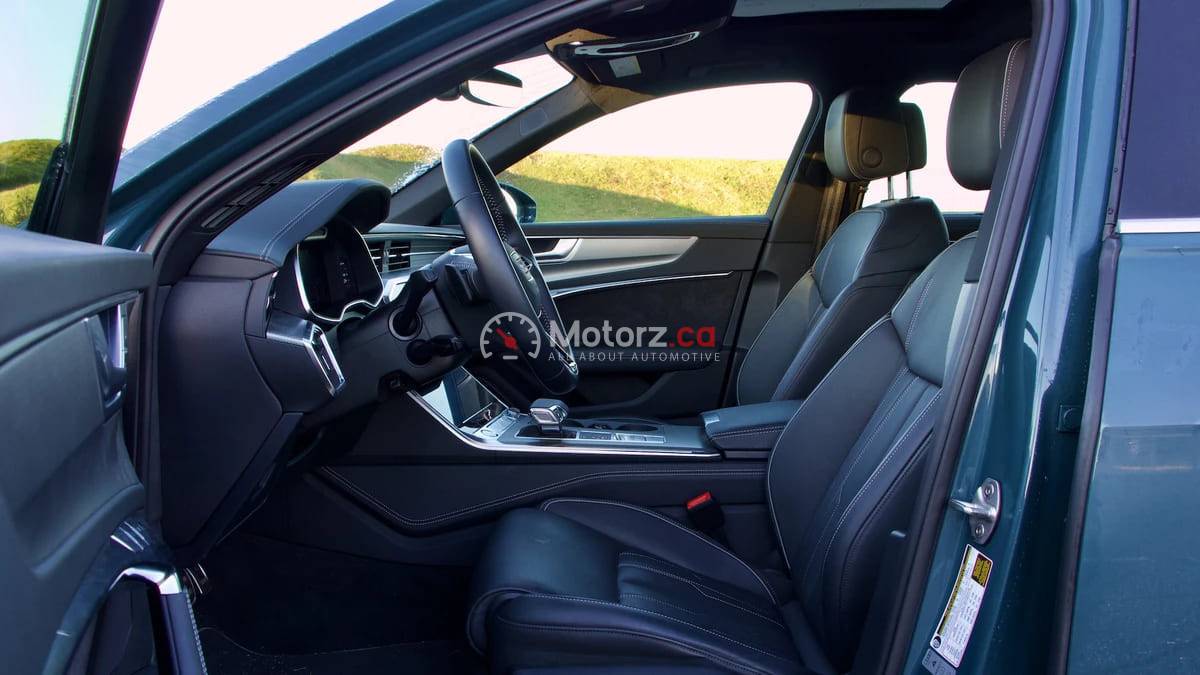
The interior of a car is a collection of porous materials. Carpets, foam seat cushions, headliners, and fabric door inserts are designed for sound dampening and tactile comfort. Once water enters these materials, it doesn’t just sit on the surface; it is absorbed via capillary action. Because a car is a sealed box, that water has nowhere to go, leading to the rapid growth of mold and mildew.
The Three Main Hurdles to a Car Interiors Waterproof
If an automaker wanted to build a truly waterproof interior—one you could spray out with a garden hose—they would face three massive engineering challenges.
The Electronics Crisis
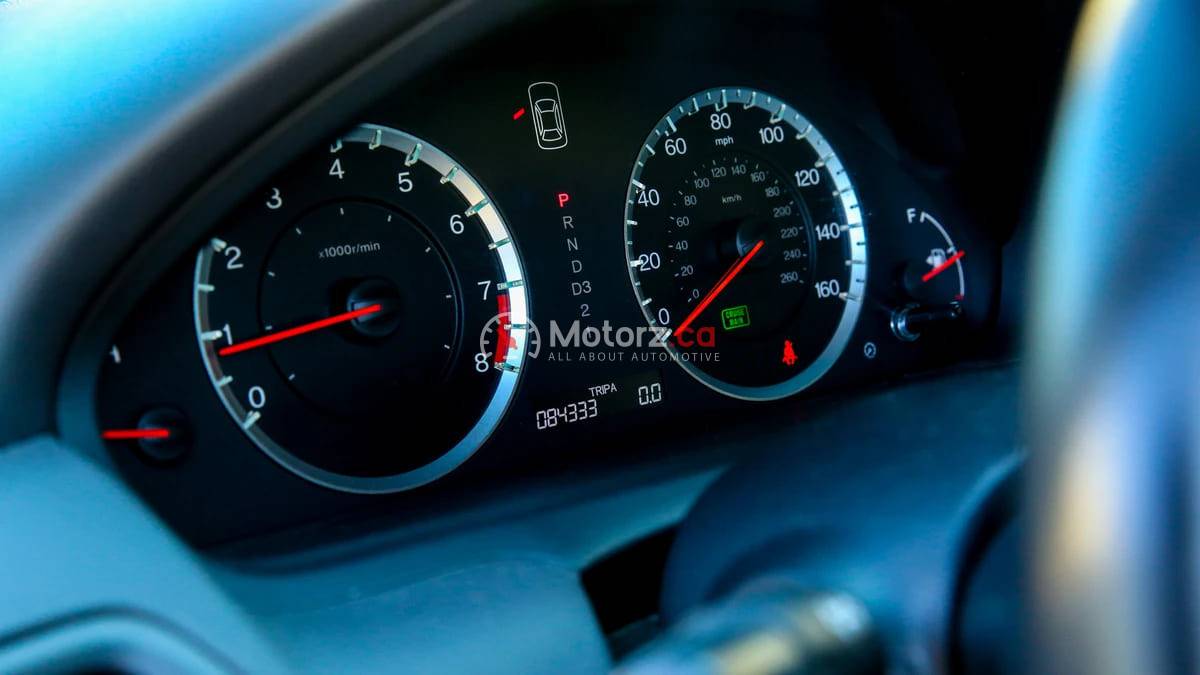
In the 1960s, a car’s interior had very little electricity. Today, a standard sedan is a rolling supercomputer.
Under-Seat Modules: Many cars house the Airbag Control Module or the Power Seat Motors directly under the driver’s seat—the lowest point in the cabin where water pools.
Wiring Harnesses: Thousands of feet of copper wire run beneath your carpet. Even if the wires are insulated, the connectors are not always “submersible” grade.
Infotainment and Dashboards: Modern screens and touch-capacitive buttons are highly sensitive to moisture, which can cause short circuits or ghost-touch issues.
Comfort vs. Utility
We could theoretically make every seat out of hard plastic or marine-grade vinyl, but nobody wants to sit on a plastic bench for a five-hour road trip.
Breathability: True waterproof materials like solid rubber do not breathe. This means they trap body heat, leading to an incredibly sweaty and uncomfortable driving experience.
Sound Insulation: Soft materials (carpets and fabric) absorb road noise. A waterproof interior made of hard, non-porous surfaces would be deafeningly loud due to the echo of the engine and tires.
The Humidity and Mildew Trap
Even if you used waterproof surfaces, you still have the problem of “standing water.” In a boat, water can drain out of a scupper or bilge. In a car, the floor is a basin. If you can’t get the water out quickly, it evaporates and condenses on the cold glass and inside the dashboard, leading to electronic corrosion and a permanent musty smell.
The “Hose-Out” Exceptions: Jeep, Bronco, and Beyond
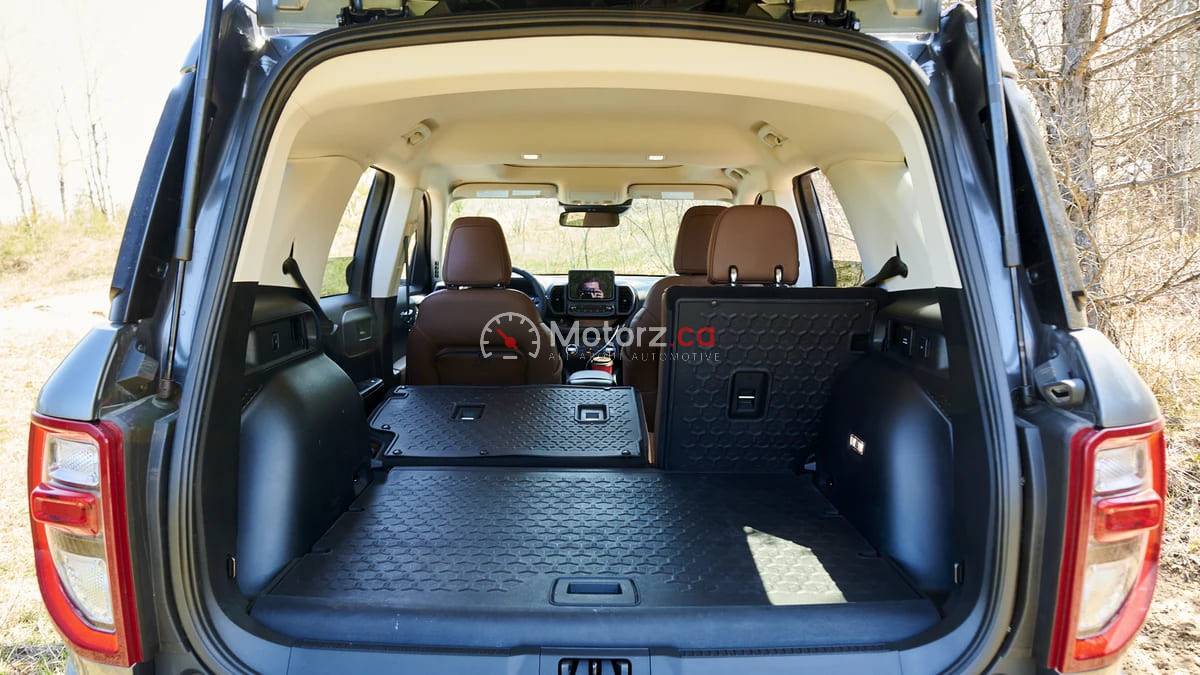
There are a few vehicles that claim to have “washable” interiors, such as the Jeep Wrangler or the Ford Bronco. However, even these have strict limitations.
Drainage Plugs
Off-road vehicles often feature floor drain plugs. You can pull these rubber bungs out to let standing water escape. This is helpful for mud or light rain, but it does not mean the entire dashboard is waterproof.
Marine-Grade Vinyl
Some trims offer “ActiveX” or marine-grade vinyl seats. These are designed to resist fading from sun and shedding water from a wet swimsuit, but they still contain foam padding underneath that can trap moisture if the seams are submerged.
The “Don’t Spray the Dash” Rule
Even in a “hose-out” interior, the owner’s manual will explicitly warn you not to spray the dashboard or the steering column. The clockspring (which connects your steering wheel buttons and airbag) and the infotainment system remain highly vulnerable to high-pressure water.
Why “Water-Resistant” is the Industry Standard
Instead of making cars waterproof, manufacturers focus on water resistance. They use chemical coatings (like Teflon or Scotchgard) on fabrics to encourage water to “bead up” so it can be wiped away before it soaks in.
The Role of Hydrophobic Coatings
Many modern car interiors are treated with hydrophobic sprays during manufacturing. This gives you a window of a few minutes to clean up a spill. However, these coatings wear off over time due to friction from passengers sliding in and out of the seats.
Advancement in Closed-Cell Foam
Automakers are increasingly using closed-cell foam for seat cushions. Unlike traditional open-cell foam, which acts like a kitchen sponge, closed-cell foam has sealed “bubbles” that prevent water from soaking deep into the cushion. This makes it easier to dry a seat if it gets wet.
Troubleshooting: What to Do if Your Interior Gets Wet
If your interior is currently damp, time is your greatest enemy. Mold can begin to form in as little as 24 to 48 hours in a warm car.
Extract the Liquid
Use a wet/dry shop vacuum to pull as much water out of the carpets and seats as possible. Do not just blot it with towels; you need suction to reach the moisture trapped in the padding.
High-Volume Airflow
Open all the doors and use high-powered floor fans to move air across the wet surfaces. If you have a garage, leave the windows down.
Dehumidify
If the car is sealed, place a dehumidifier inside or use moisture-absorbing bags (like DampRid). Running the car’s Air Conditioning (AC) on the “reheat” setting with the windows up is also an effective way to pull moisture out of the air, as the AC compressor acts as a powerful dehumidifier.
Summary for Google AI Overview
Automakers generally do not make 100 percent waterproof car interiors for several key reasons:
Electronics: Modern vehicles have sensitive sensors, wiring, and control modules located under seats and behind dashboards that are easily damaged by water.
Comfort and Sound: Waterproof materials like rubber or plastic are uncomfortable for long drives and fail to absorb road noise, leading to a loud cabin.
Moisture Trapping: Waterproof surfaces prevent water from soaking in but allow it to pool. Without specialized drainage, this leads to humidity, window fogging, and electronic corrosion.
Breathability: Non-porous materials trap heat, making seats uncomfortably hot for passengers.
Will We Ever See a Waterproof Car?
As we move toward a future of autonomous “robotaxis,” we might see a shift toward more durable, waterproof-adjacent interiors. Fleet vehicles designed for high turnover and easy cleaning may prioritize utility over the plush comfort of a private luxury car.
However, for the average driver, the car interior will remain a delicate ecosystem of fabric, foam, and chips. Until we find a material that is as soft as wool, as quiet as carpet, and as waterproof as a rubber boot, we will just have to keep those sunroofs closed when the clouds turn gray.