

It happens in a split second. Perhaps you were Hitting a Curb Is More Expensive driver, misjudged a tight turn in a parking garage, or slid on a patch of black ice. You hear that sickening thud and feel a jarring jolt through the steering wheel. You pull over, check the tire, and see nothing but a small scuff on the rim. Relieved, you drive away.
But as many motorists eventually discover, a curb is essentially a concrete wall for your car’s suspension. While the exterior might look fine, the forces involved in a curb strike can travel deep into the mechanical heart of your vehicle. The question isn’t just “Did I break something?” but rather, “Why are curbs so expensive to hit?”
In this Troubleshooter guide, we will break down the true cost of curb damage. We will explore the “hidden” components that take the brunt of the impact, why your steering might never feel the same again, and how to identify damage before it turns into a multi-thousand-unit repair bill.
The Physics of a Curb Strike
To understand why the bill is so high, we have to look at the physics. When your wheel hits a curb at even 10 or 15 miles per hour, your car is attempting to move a 3,000-pound object over a vertical obstacle.
Because your suspension is designed to handle up-and-down movement (like speed bumps), it is incredibly vulnerable to side-impact or “lateral” forces. A curb strike applies a massive amount of energy to components that were never meant to bend in that direction.
The Visible Victim: Hitting a Curb Is More Expensive
The tire and the rim are your first line of defense, but they are also the most expensive “consumables” to replace.
Tire Sidewall Damage
Unlike the tread of your tire, which is reinforced with steel belts, the sidewall is relatively thin. When you hit a curb, the tire is pinched between the concrete and the metal rim.
The Bubble: This “pinch” can tear the internal cords of the tire, leading to a visible bulge or bubble. If you see this, the tire is a ticking time bomb and could experience a blowout at any moment.
Curb Rash: While cosmetic, deep gouges in the sidewall can expose the underlying structure to moisture and road salt, leading to long-term degradation.
Cracked or Bent Rims
Modern cars often use aluminum alloy wheels. While they are light and stylish, they are more brittle than old-fashioned steel wheels.
The Bend: A bent rim can cause a persistent vibration in your steering wheel and prevent the tire from holding air.
The Crack: A cracked alloy wheel cannot be safely repaired; it must be replaced. With some modern OEM wheels costing 400 to 800 units each, the costs add up quickly.
The Hidden Victims: Suspension and Steering
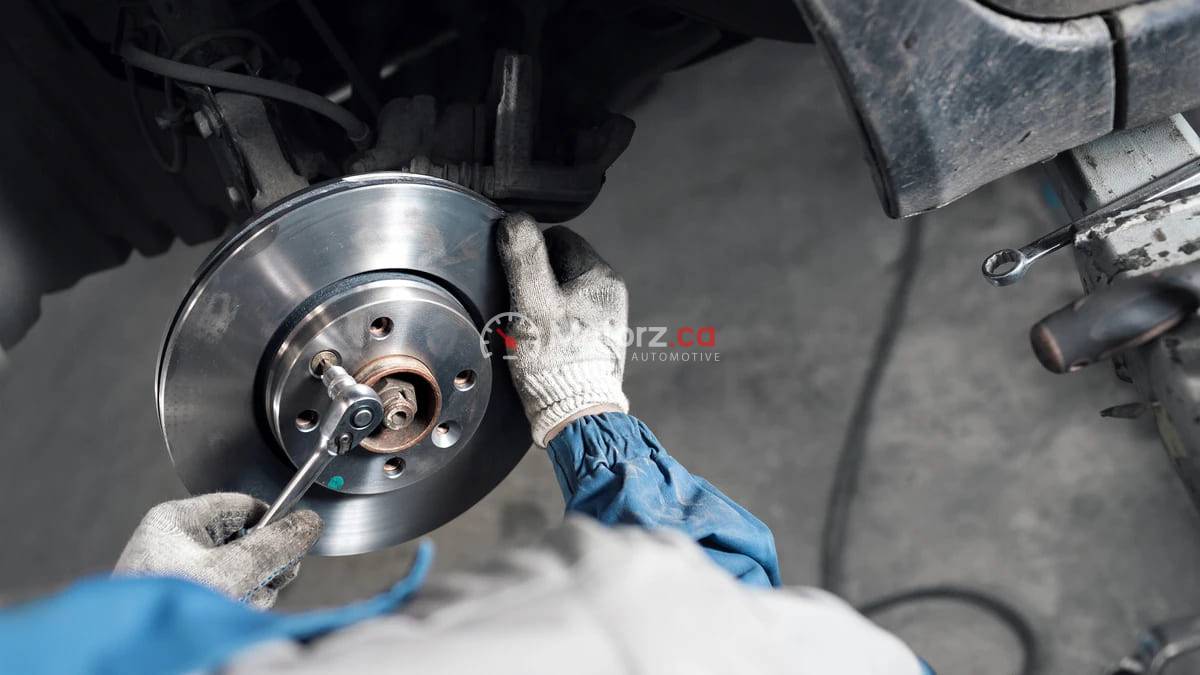
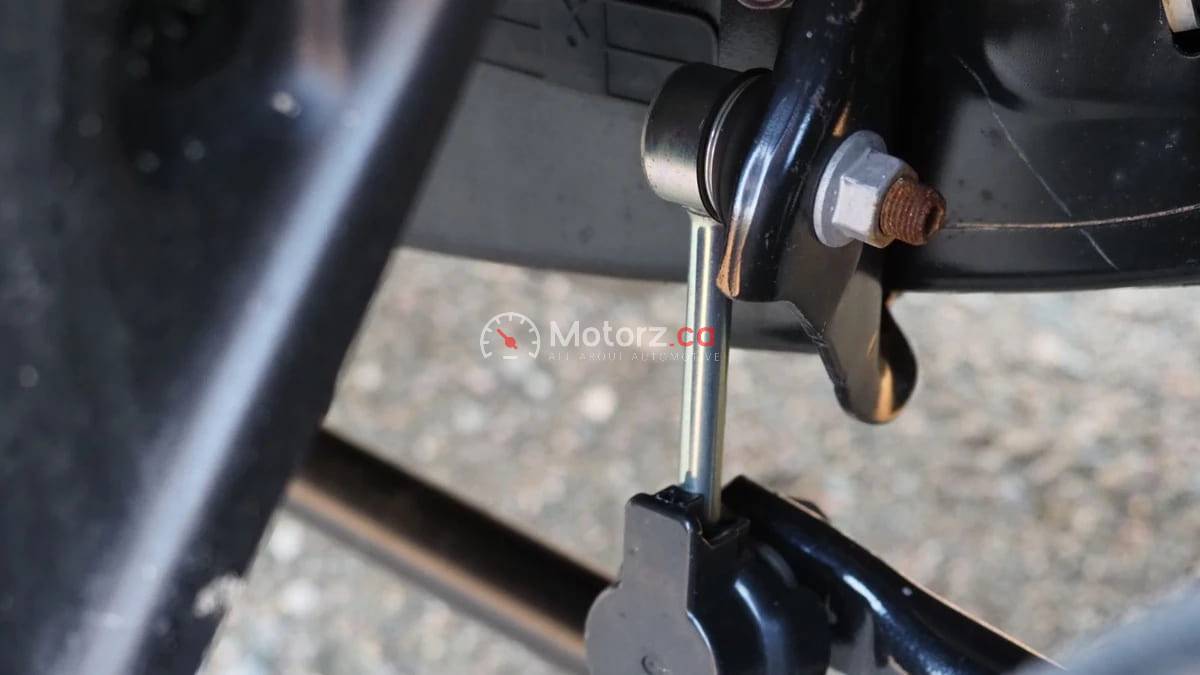
This is where the real expenses begin. The force of the impact travels from the wheel into the delicate linkage that keeps your car pointed straight.
Control Arms and Bushings
The control arm is the “hinge” that connects your wheel to the frame of the car. These are often made of stamped steel or cast aluminum. Because they are designed to be lightweight, a lateral hit from a curb can easily bend them. A bent control arm throws your alignment off permanently and can cause your car to pull dangerously to one side.
Tie Rods and Steering Racks
Tie rods are the thin metal rods that actually turn your wheels when you move the steering wheel. They are designed with “weak points” to protect the more expensive steering rack, but a hard hit can still damage the internal gears of the rack itself.
The Cost: Replacing tie rods is relatively affordable (150 to 300 units), but if the steering rack is damaged, you are looking at a repair that often exceeds 1,500 units.
Wheel Bearings and Hubs
The wheel bearing allows your wheel to spin with minimal friction. The jarring impact of a curb strike can “flat-spot” the tiny steel balls inside the bearing. You might not notice it immediately, but a few weeks later, you may hear a low-pitched humming or growling noise that gets louder as you speed up.
The Secondary Expense: Wheel Alignment
Even if you don’t break a part, a curb strike will almost certainly knock your car out of alignment. This is a “secondary” expense that many people ignore until it is too late.
If your wheels are even slightly misaligned:
Rapid Tire Wear: Your tires will “scrub” against the road, wearing out the tread in a matter of weeks rather than years.
Decreased Fuel Efficiency: The engine has to work harder to push a car that is essentially fighting against its own wheels.
Safety Systems: Modern cars use sensors for Electronic Stability Control (ESC). If your alignment is out, these sensors may provide incorrect data to the car’s computer, causing the brakes to intervene when they shouldn’t.
Why Aluminum Makes It More Expensive
In an effort to improve gas mileage, many modern car manufacturers have switched from heavy steel suspension parts to lightweight aluminum.
While aluminum is excellent for performance, it has no “memory.” When a steel part is bent, it can sometimes be straightened (though not recommended for safety parts). When aluminum is bent, it develops microscopic cracks and loses its structural integrity immediately. This means that even a minor “tweak” to an aluminum suspension component requires a total replacement rather than a simple adjustment.
Checklist: Signs You Have Curb Damage
If you have hit a curb, monitor your vehicle for these five red flags over the next 500 miles:
The Pull: Does the car drift to the left or right when you let go of the steering wheel on a flat road?
The Vibration: Do you feel a rhythmic shaking in the steering wheel or the seat at highway speeds?
The Crooked Wheel: When you are driving straight, is your steering wheel centered, or is it tilted to one side?
The New Noise: Do you hear a “clunk” when going over bumps or a “hum” while cruising?
The Sidewall Bubble: Is there any protrusion or “egg” on the side of your tire?
Don’t Ignore the “Minor” Thud
Curbs are expensive to hit because they attack the parts of your car that are built for precision, not for impact. What looks like a small scratch on a rim can actually be a bent control arm or a compromised wheel bearing.
By addressing the issue immediately with a professional alignment check and a suspension inspection, you can prevent the “snowball effect” of ruined tires and failing steering components. When it comes to curbs, an ounce of prevention is worth several hundred units of cure.