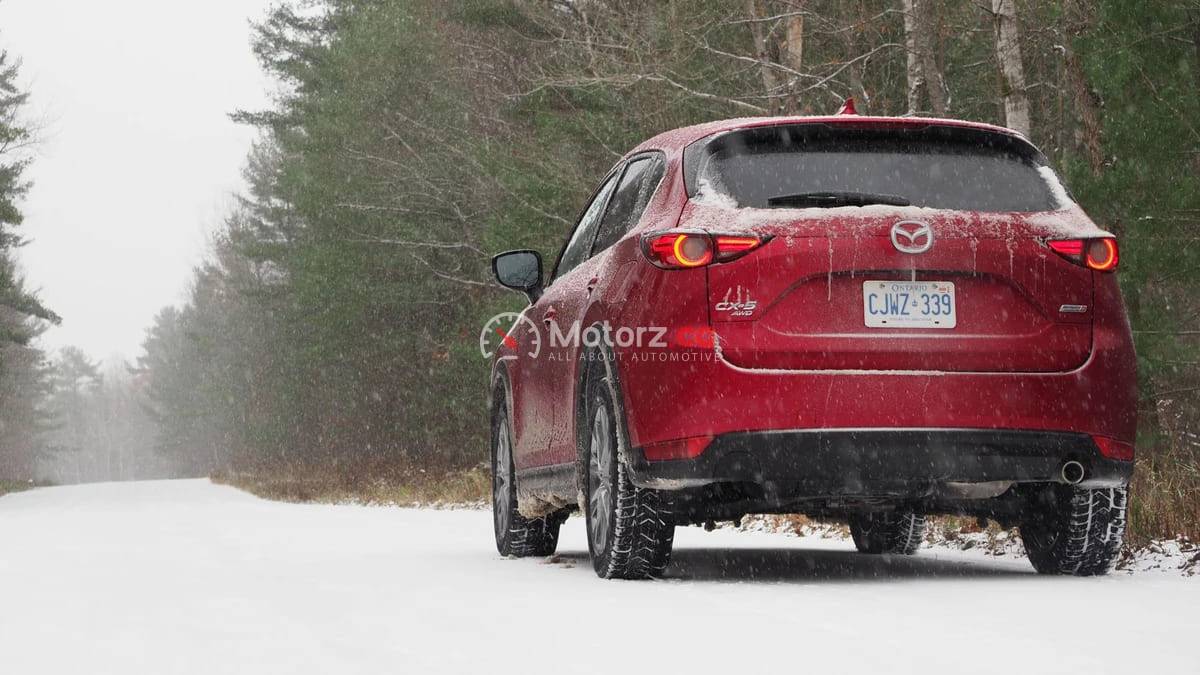



As the Vehicle for Safe Driving shorter and the thermometer begins its steady descent, your vehicle faces one of the toughest seasons of the year. Cold temperatures, ice, snow, and salt don’t just make driving challenging—they put intense stress on every component, from the battery and tires to the essential fluids.
Driving safety in winter isn’t just about caution behind the wheel; it starts with meticulous preparation. Ignoring a few simple maintenance tasks now can lead to anything from a minor inconvenience—a dead battery on a frigid morning—to a major safety hazard, like a lack of traction on black ice.
The question isn’t if you should prepare your car for winter, but how comprehensively you should do it. This comprehensive guide walks you through the ten most critical steps to winterize your car, ensuring reliability, maximum performance, and, most importantly, safety when the cold weather truly hits.
Power and Fluids: Ensuring Your Vehicle for Safe Driving
Cold weather dramatically impacts a vehicle’s electrical system and the consistency of its fluids. These are the foundational checks that prevent breakdowns and protect your engine.
The Cold Truth About Your Car Battery
The number one reason for winter roadside assistance calls is a dead car battery. Cold temperatures reduce the battery’s chemical activity, meaning it produces less power. Simultaneously, the cold thickens the engine oil, requiring more power to turn the engine over. It’s a double whammy for battery health.
Test and Inspect: Have your battery and charging system professionally tested by a technician. They can perform a load test to determine if the battery has the cranking amps needed to survive freezing temperatures.
Cleanliness is Key: Inspect the battery terminals and cables. Look for any white or bluish corrosion. Corrosion adds resistance, hindering power flow. Clean the terminals with a wire brush and a mixture of baking soda and water, and ensure all connections are tight.
Driving Habits: If you primarily make short trips (under 20 minutes), your alternator might not fully recharge the battery. Consider using a battery tender or maintainer overnight, especially if your vehicle is parked outside in extreme cold.
Coolant and Antifreeze: The Engine’s Shield
Coolant, or antifreeze, is essential year-round, but in winter, it prevents the water in your engine’s cooling system from freezing, which can cause catastrophic engine block cracking.
Check the Mix: Antifreeze protection is measured by its freeze point. Use an inexpensive tester, available at any auto parts store, to check the antifreeze-to-water ratio, typically a 50/50 mix, which provides protection down to roughly -34 degrees Fahrenheit.
Hoses and Belts: Inspect all radiator hoses and drive belts (including the serpentine belt) for cracks, bulging, or fraying. Cold temperatures cause rubber to stiffen and become brittle, making degraded components more likely to snap or leak. Replace any worn parts immediately.
Oil and Washer Fluid: Maintaining Visibility and Lubrication
Fluids need to be topped off and, in some cases, swapped for winter-specific formulas.
Engine Oil: Some experts recommend switching to a thinner, lower-viscosity oil (e.g., 5W-30 instead of 10W-30) in very cold climates. Thinner oil circulates faster upon startup, reducing engine wear. Always consult your owner’s manual or mechanic for the manufacturer’s recommended winter grade.
Windshield Washer Fluid: This is not the place to be cheap. Ensure your reservoir is full of winter-grade washer fluid containing methanol or other de-icing agents. Standard summer fluid can freeze in the reservoir or, worse, instantly freeze upon hitting a cold windshield, blinding you.
Traction and Stability: The Critical Tire and Brake Check
Your tires are the only point of contact between your vehicle and the road. Their condition directly dictates your ability to accelerate, steer, and stop on slippery surfaces.
The Tire Tread and Pressure Rule
Winter tire performance relies heavily on proper pressure and adequate tread depth.
Tire Pressure Drop: Air pressure drops by about one pound per square inch (PSI) for every 10-degree drop in temperature. Check your tire pressure weekly using a reliable gauge, ideally when the tires are cold (before driving). Under-inflated tires lose traction and wear unevenly. Find the correct PSI on the sticker inside the driver’s side door jamb, not the tire sidewall.
Tread Depth: The standard legal minimum tread depth is not enough for winter. Snow and ice require more bite. Use a tread depth gauge or the “penny test” (though a quarter or twoonie is better) to ensure you have at least 4/32 of an inch of tread depth across all four tires.
Winter Tires vs. All-Season Tires: A Safety Investment
For drivers in regions that see consistent ice, heavy snow, or sustained temperatures below 45 degrees Fahrenheit, switching to dedicated winter tires is the single most effective safety measure you can take.
Brake System Inspection
Winter driving demands frequent, precise braking. Have a mechanic inspect your entire braking system, including pads, rotors, drums, and the brake fluid level. Brake fluid can accumulate moisture over time, which can lower its boiling point and even freeze in extreme cold, though this is rare in modern systems. A thorough check ensures your anti-lock braking system (ABS) can function optimally on slick roads.
Visibility and Heating: Seeing and Staying Safe
If you can’t see the road or your vehicle’s heating system fails, you are immediately in a dangerous situation. These components require a meticulous check.
Lights, Defrosters, and Wipers
Visibility is often drastically reduced by snow, sleet, fog, and road spray.
Lighting: Check the function of all lights: headlights (high and low beam), fog lights, brake lights, turn signals, and hazard lights. Ensure headlight lenses are clear and free of oxidation (a foggy yellow tint) to maximize light output.
Defrost Systems: Test your front and rear defrosters and defoggers. If the air conditioning system is not working correctly, the defroster will struggle to remove moisture from the cabin, leading to dangerous internal fogging. The A/C system is critical for dehumidification, even in the winter.
Wiper Blades: Replace old wiper blades that streak, skip, or fail to clear the windshield effectively. Consider installing winter wiper blades, which have a protective rubber housing that prevents ice and snow buildup on the blade’s frame.
The Exhaust System: Protecting Against Carbon Monoxide
While often overlooked during a winter prep, a leaky exhaust system can be fatal. If your tailpipe is blocked by deep snow—a common occurrence when pulling off the road—and you run the engine, deadly carbon monoxide (CO) gas can back up into the cabin.
Check for Leaks: Ask your mechanic to inspect the entire exhaust system—from the engine to the tailpipe—for leaks. Look for rust, holes, or loose connections.
Never Idle in Deep Snow: If you become stuck in deep snow, never let the engine run for extended periods with the tailpipe buried. Periodically clear the area around the exhaust pipe to ensure fumes vent safely away from the vehicle.
The Winter Roadside Emergency Kit: Your Lifeline
Preparation doesn’t stop with mechanical checks. You must be prepared for the event of a breakdown or becoming stranded. A well-stocked emergency kit can be the difference between a stressful wait and a life-threatening situation.
Essential Survival and Safety Supplies
Traction and Digging: A small, collapsible snow shovel, a bag of sand or non-clumping cat litter (for traction under tires), and a set of traction mats or emergency chains/cables.
Warmth: Warm blankets or sleeping bags, extra gloves, hats, scarves, and an extra coat for every occupant.
Visibility and Signals: Flares or reflective warning triangles, and a bright LED flashlight with fresh or spare batteries.
Power and Communication: Jumper cables or, ideally, a compact portable battery jump-starter pack, and a spare cell phone charger (or power bank).
First Aid and Sustenance: A comprehensive first-aid kit, non-perishable, high-energy snacks (like energy bars), and bottled water.
Glass Clearing: A strong ice scraper and snow brush combination, and a bottle of dedicated de-icer spray.
Fuel and Charging Habits for Winter
Keep the Tank Full: Keep your fuel tank at least half-full at all times. This prevents the fuel line from freezing (condensation can occur in an empty tank) and ensures you have enough fuel to run the engine for heat if you become stranded.
EV Charging: For electric vehicle owners, remember that battery range decreases significantly in the cold (sometimes by 20-40%). Always charge to a high state of charge before long trips, and factor in the extra energy drain from running the cabin heater.
Summary of the Winter Car Prep Checklist
By following these essential steps, you are actively minimizing your risk and maximizing the performance and safety of your vehicle. A cold-weather maintenance check is a proactive investment that pays dividends in peace of mind and accident prevention throughout the winter months.
Tires: Check pressure and tread; consider dedicated winter tires.
Battery: Test charge level and load capacity; clean corrosion.
Fluids: Top off engine oil (consider winter grade), check coolant mix, and use anti-freeze washer fluid.
Visibility: Replace streaking wiper blades and confirm all lights and defrosters work.
Safety: Stock a complete winter emergency kit.