
As the days grow shorter and the mercury drops, Car Lights for Safer Winter Driving face a challenging reality: more time behind the wheel in the dark. Winter driving isn’t just about navigating snow and ice; it is about battling reduced visibility caused by heavy precipitation, road salt grime, and early sunsets. When the weather turns gray, your vehicle’s lighting system becomes your most critical safety feature.
Yet, most drivers take their headlights for granted until a bulb burns out. In a winter landscape, simply having “working” lights isn’t enough. To stay safe, you need your lights to perform at their absolute peak. From restoring oxidized lenses to understanding the proper use of fog lights, this troubleshooting guide will help you maximize your visibility and ensure you are seen by others on the road.
Let’s dive into how you can make the most of your vehicle’s lighting system this winter.
The Science of Car Lights for Safer Winter Driving
Before we get into the “how-to,” it is important to understand why winter lighting is different. In the summer, you mostly deal with clear air and dry roads. Winter introduces “atmospheric scatter.” When you turn on your high beams in a heavy snowstorm, the light reflects off the snowflakes and bounces back into your eyes, creating a blinding white wall.
Proper winter lighting Car Lights is about controlling that light—ensuring it goes where you need it (on the road) and stays away from where you don’t (the eyes of oncoming drivers or the surface of falling snow).
Headlight Restoration: Clearing the Fog
Over time, the polycarbonate plastic lenses on modern headlights suffer from UV degradation. They become yellow, cloudy, and “oxidized.” In the winter, this cloudiness acts like a filter, trapping the light inside the housing rather than letting it illuminate the road.
Why Cloudy Lenses are Dangerous in Winter
Cloudy headlights can reduce your light output by as much as 80 percent. When you add a layer of winter road salt and slush to an already oxidized lens, your effective visibility might only be a few car lengths. This significantly reduces your reaction time when encountering black ice or a stalled vehicle.
How to Fix It
Restoration Kits: You can purchase a DIY kit that uses fine-grit sandpaper and a polishing compound to strip away the oxidation.
The Toothpaste Hack: For mild cloudiness, a non-gel whitening toothpaste and a soft cloth can provide a temporary fix. The mild abrasives help scrub away surface oxidation.
Professional Sealing: Once cleaned, always apply a UV-resistant sealant. Without it, the cloudiness will return within weeks due to the harsh winter sun and salt exposure.
Dealing with the “Salt Shield”
Perhaps the biggest enemy of winter visibility is the “salt shield”—that crusty, white layer of dried road brine that cakes onto your headlights and taillights within minutes of driving on a treated highway.
The Maintenance Routine
In the summer, you might wash your car once every two weeks. In the winter, your lights need attention daily.
The Gas Station Stop: Make it a habit to use the squeegee at the gas pump to wipe down your headlight lenses, taillights, and turn signals every time you fill up.
Spray and Wipe: Keep a small spray bottle of water and a microfiber cloth in your trunk. A quick spray-and-wipe before you leave your driveway in the evening can increase your visibility by 50 percent or more.
Proper Use of Fog Lights and High Beams
One of the most common mistakes drivers make during a winter storm is using the wrong lights for the conditions.
When to Use High Beams
High beams are for clear, dark nights on empty roads. They should never be used in falling snow, heavy fog, or thick mist. The light will hit the water droplets or snowflakes and reflect directly back at you, making it impossible to see the road markings.
The Power of Fog Lights
Fog lights are designed with a wide, flat beam pattern positioned low on the vehicle. Their goal is to “undercut” the fog or snow and illuminate the edges of the road (the white and yellow lines).
Tip: If visibility is less than 100 meters, turn on your fog lights.
Courtesy: Remember to turn off your rear fog lights (common on European cars) once visibility improves, as they can be blinding to drivers behind you in clear weather.
Aiming Your Headlights: The Forgotten Step
Even the brightest bulbs won’t help if they are pointing at the treetops or into the eyes of oncoming traffic. Over time, vibrations from potholes and winter frost heaves can jar your headlight housings out of alignment.
How to Check Your Aim
Park your car on a level surface 25 feet away from a flat wall or garage door.
Turn on your low beams.
The “hot spot” of the light should be roughly at the same height as the headlight lens itself, slightly tilted toward the right (to avoid blinding oncoming traffic and to better see the shoulder of the road).
If one beam is significantly higher or lower than the other, consult your owner’s manual for the location of the adjustment screws.
Upgrading Your Bulbs: LED vs. Halogen vs. HID
If your car is more than a few years old, the bulbs inside your headlights are likely “aging.” Halogen bulbs lose brightness as they get older, even before they burn out completely.
Halogen Upgrades
If your car uses standard halogens, consider upgrading to “High Output” or “Extreme Vision” halogen bulbs. These are a direct replacement and provide a whiter, brighter light that helps the human eye distinguish between the road and a snowbank.
The LED Dilemma
While LED bulbs are bright and long-lasting, they have a unique drawback in winter: they don’t generate heat. Traditional halogen bulbs get hot enough to melt snow and ice off the lens. If you live in an area with heavy, wet snow, LED headlights can actually “freeze over” as you drive, because they aren’t warm enough to keep the lens clear. If you use LEDs, you may need to stop more frequently to clear the lenses manually.
Don’t Forget the “Behind-the-Scenes” Lights
Winter visibility isn’t just about you seeing; it’s about others seeing you.
Brake Lights and Turn Signals
In a whiteout, your red taillights are the only thing keeping the driver behind you from a rear-end collision. If your car has a “recessed” rear design, snow can accumulate and completely hide your lights. Always clear the entire rear of the vehicle—not just the glass.
Interior Dimming
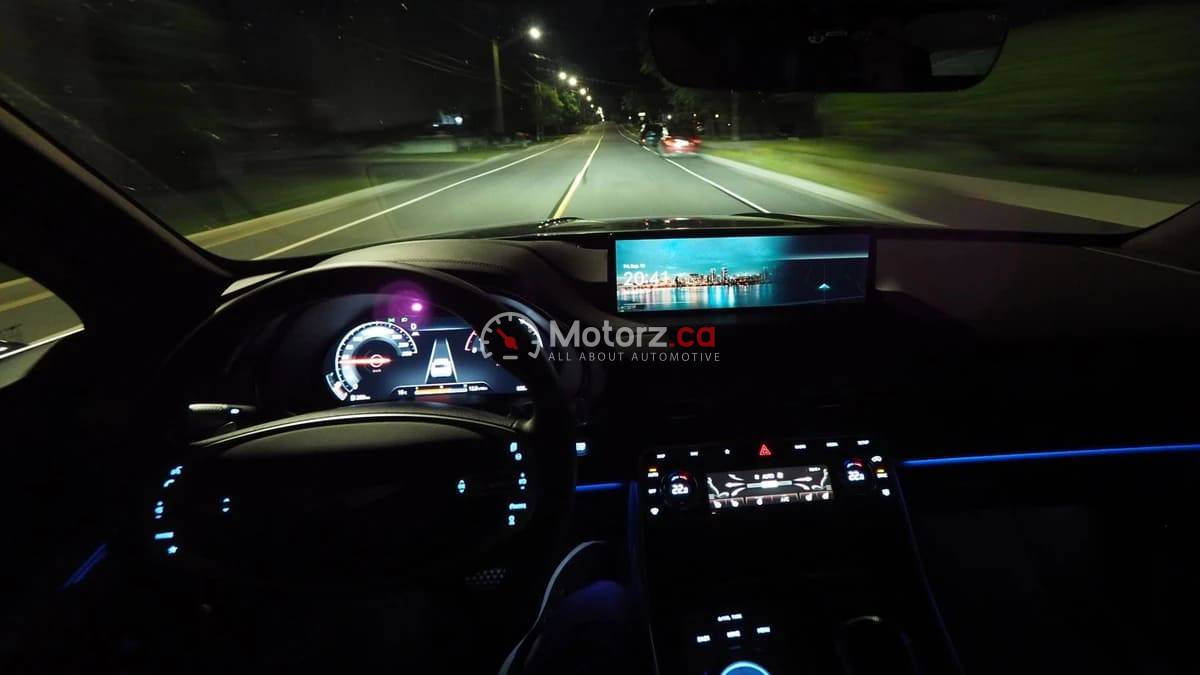
If your dashboard lights are too bright, your pupils will constrict, making it harder for you to see into the darkness outside. Use the dimmer switch to turn your dashboard lights down to the lowest comfortable level. This helps your eyes stay adjusted to the dark road ahead.
Lighting is Your Best Defense
Troubleshooting your winter lighting isn’t just a matter of convenience; it is a fundamental part of winter survival. By keeping your lenses clean, ensuring your aim is true, and using the right lights for the right conditions, you significantly decrease your risk of an accident during the darkest months of the year.
This weekend, take twenty minutes to inspect your vehicle’s lights. Wipe away the salt, check the aim against a wall, and make sure every bulb is pulling its weight. When the next blizzard hits, you’ll be glad you have the best possible view of the road.