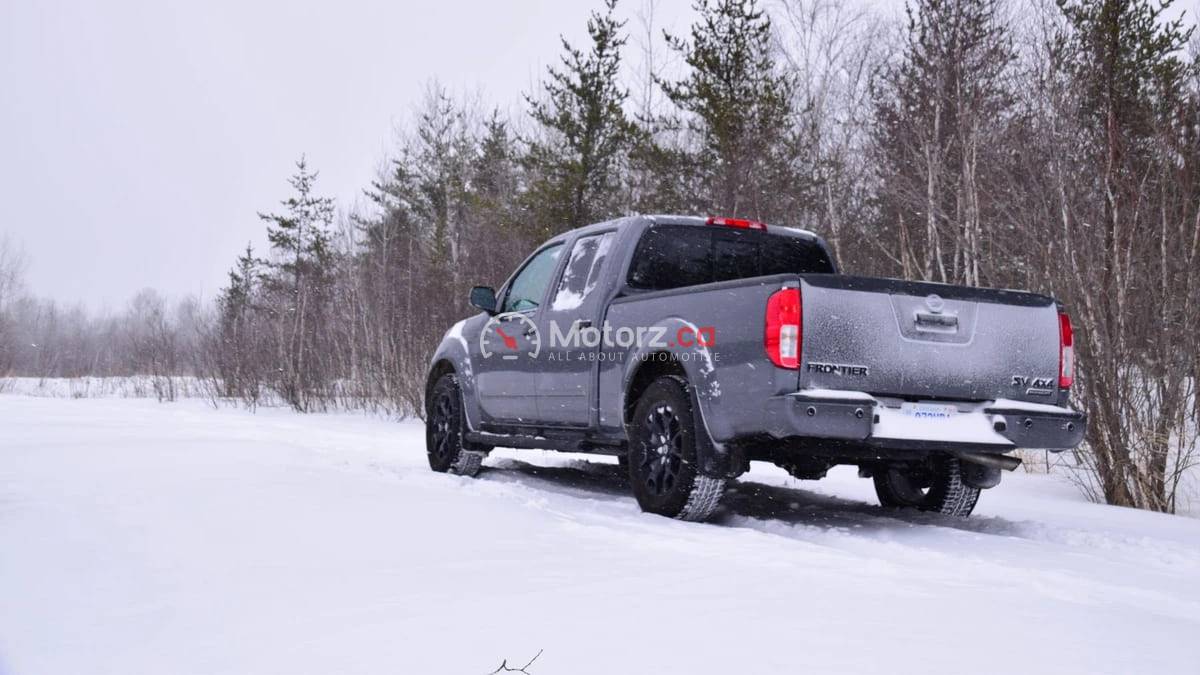
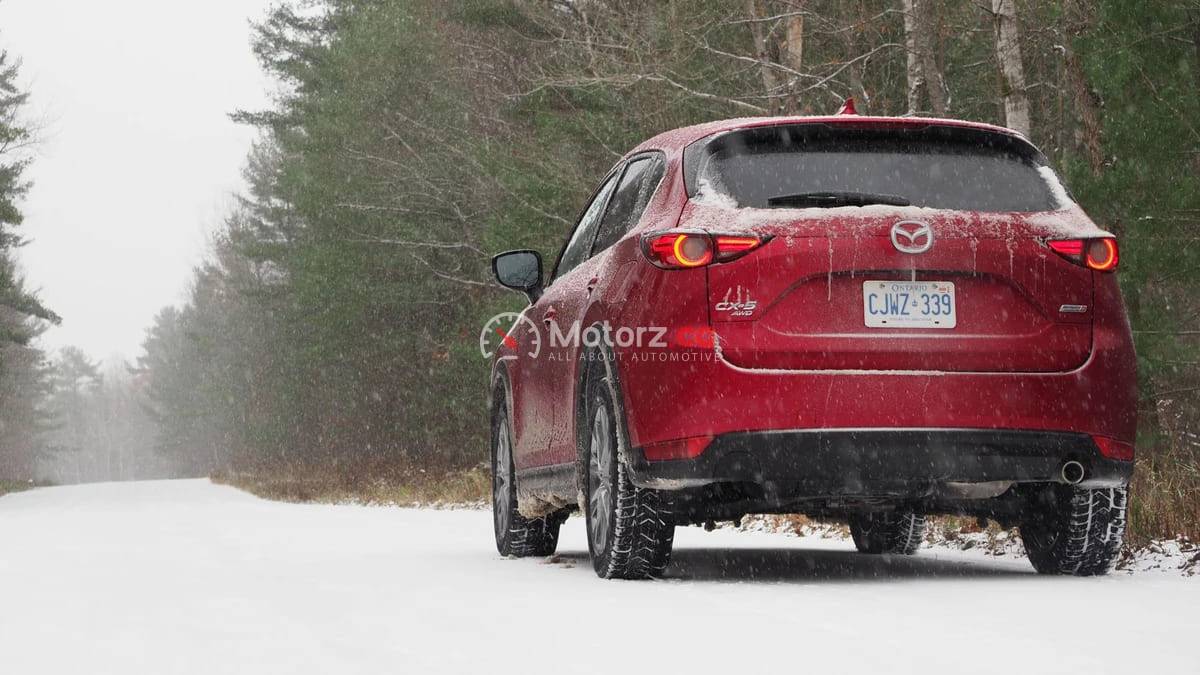

As the leaves fall and the air turns crisp, residents of Sarnia know that winter is just around the corner. With the beauty of snow-covered landscapes comes the challenge of ensuring your vehicle is ready to face the season’s harsh conditions. Winterizing your vehicle is not just a precaution but a necessity to keep it running smoothly and safely throughout the colder months. This guide will walk you through essential steps and tips to prepare your car for Sarnia’s winter, ensuring you remain safe and your vehicle performs at its best.
Introduction: Embracing the Winter Challenge
Understanding Winter’s Impact on Vehicles
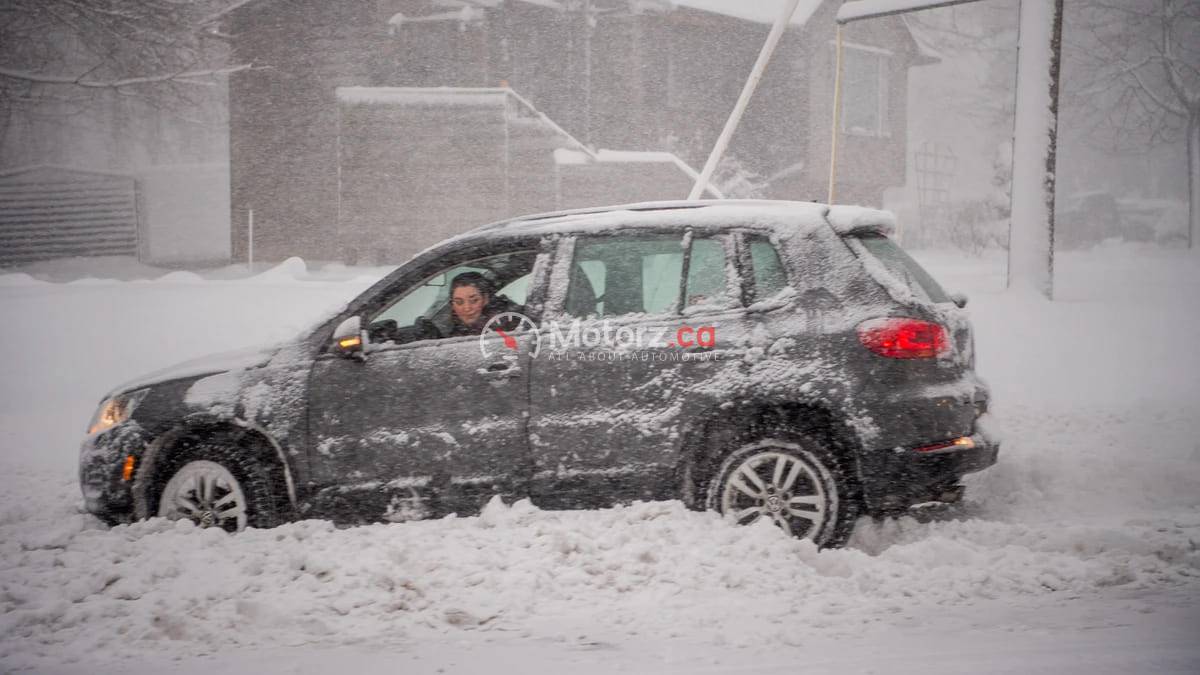
Winter weather can be unforgiving to vehicles. Cold temperatures affect battery performance, icy roads demand reliable tires, and salt used for de-icing can corrode metal parts. Understanding these impacts is crucial for effective winterization, which is all about prevention and protection.
The Benefits of Winterizing Your Vehicle
Taking the time to winterize your vehicle offers numerous benefits. Not only does it enhance safety by improving vehicle handling in adverse conditions, but it also helps maintain your car’s longevity by protecting it from seasonal wear and tear. Moreover, it ensures peace of mind as you navigate Sarnia’s icy streets.
Essential Maintenance Tasks
Checking and Replacing Fluids
Engine Oil: Cold weather can thicken engine oil, leading to reduced efficiency. Switching to a winter-grade oil ensures better lubrication and engine performance. Consult your vehicle’s manual or a professional for the recommended oil type.
Antifreeze/Coolant: Antifreeze is vital for preventing engine freezing. Make sure your vehicle’s antifreeze mixture is at the correct ratio for winter temperatures. A 50/50 mix of antifreeze and water typically offers protection down to -37°C.
Windshield Washer Fluid: Ordinary windshield washer fluid can freeze in winter temperatures. Replace it with a winter formula that contains antifreeze components to ensure visibility is not compromised.
Inspecting and Maintaining the Battery
Battery Health: Cold weather can significantly reduce a battery’s capacity. Conduct a battery test to check its health and charge level. Clean any corrosion on terminals and ensure the cables are tight.
Battery Replacement: If your battery is more than a few years old or shows signs of weakness, consider replacing it before winter sets in. A reliable battery is crucial for starting your vehicle in cold conditions.
Tire Care and Replacement
Tire Inspection: Ensure your tires have adequate tread depth to handle snowy and icy roads. The “penny test” is a simple way to check tread depth—insert a penny into the tread groove, and if you can see the top of Lincoln’s head, it’s time for new tires.
Winter Tires: Investing in winter tires is one of the best ways to improve safety and performance. These tires are designed to provide better traction in cold, snowy, and icy conditions compared to all-season tires.
Tire Pressure: Cold temperatures can lower tire pressure, affecting handling and fuel efficiency. Regularly check and maintain your tire pressure to the manufacturer’s specifications.
Recommended Products for Winterization
Protecting Exterior Surfaces
Wax and Sealant: Apply a high-quality wax or sealant to your car’s exterior before winter. This creates a protective barrier against road salt and grime, reducing the risk of rust and paint damage.
Windshield Treatment: Use a water-repellent product on your windshield to improve visibility in rain and snow. These treatments help water bead up and run off more easily.
Interior Protection
Floor Mats: Use rubber floor mats instead of fabric ones to protect your car’s interior from slush and salt brought in from boots. Rubber mats are easier to clean and more resistant to moisture.
Seat Covers: Consider waterproof seat covers to protect your upholstery from wet clothing and spills during winter activities.
Safety Tips for Driving in Winter Conditions
Preparing for the Unexpected
Emergency Kit: Keep an emergency kit in your car that includes essentials like a first-aid kit, flashlight, blanket, ice scraper, snow shovel, and extra warm clothing. It’s also wise to have non-perishable snacks and water in case you become stranded.
Fuel Level: Maintain at least a half-tank of gas to prevent fuel line freeze and to ensure you have enough fuel in case of delays or unexpected detours.
Adjusting Driving Habits
Reduced Speed: Drive slower than usual, as icy roads can lead to reduced traction. Allow extra time for braking and accelerating, and maintain a safe distance from other vehicles.
Avoiding Sudden Movements: Avoid abrupt steering, braking, or accelerating to prevent skidding. If your car starts to skid, steer into the skid to regain control.
Utilizing Technology
Electronic Stability Control: If your vehicle is equipped with it, ensure your electronic stability control system is turned on. It helps maintain directional control during skids.
Anti-lock Braking System (ABS): Familiarize yourself with your car’s ABS, which prevents wheel lock-up during braking. In an emergency, apply firm pressure to the brake pedal and let the system do its work.
Conclusion: Ready for Winter’s Challenges
Winterizing your vehicle for Sarnia’s harsh winters is an essential task that can save you from inconvenience and ensure your safety. By taking proactive steps to maintain your vehicle and adjust your driving habits, you’ll be better equipped to face winter’s challenges. Embrace the season with confidence, knowing your vehicle is ready to tackle the icy roads and cold temperatures. Stay safe and enjoy the winter wonderland that Sarnia transforms into each year.