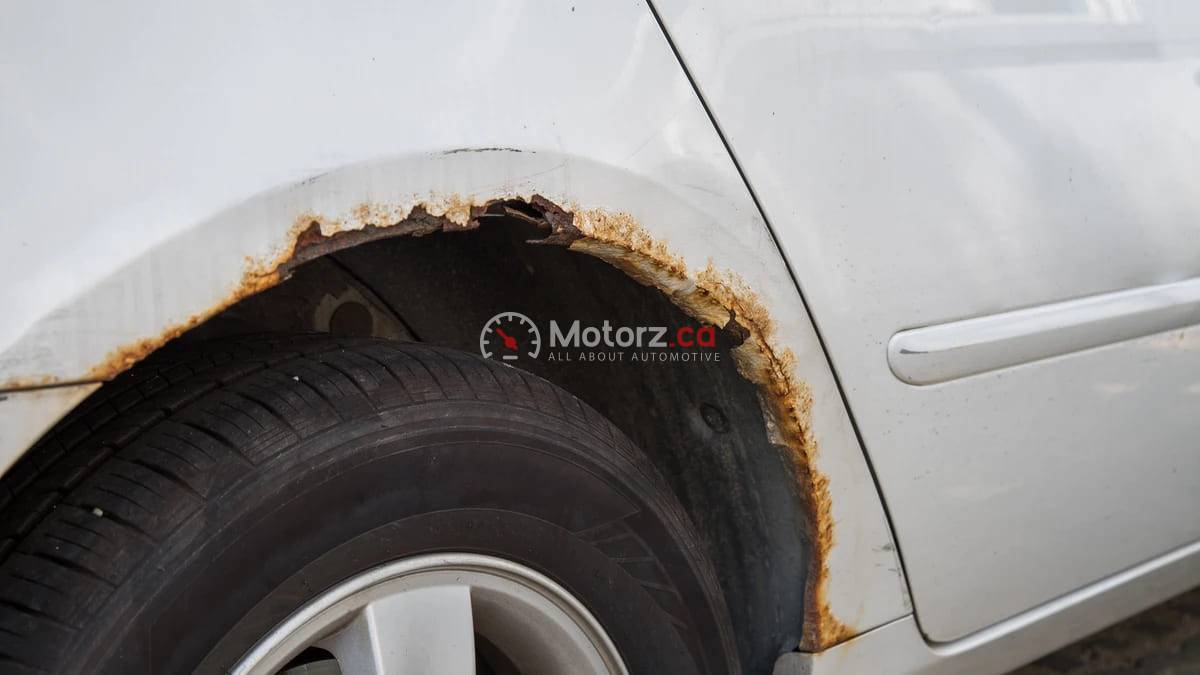
For those of us Rustproofing Your Car, especially in the “Salt Belt” regions like Toronto, Montreal, or the Maritimes, rust isn’t just a cosmetic issue—it is a structural death sentence. We have all seen that car at the stoplight: a five-year-old SUV with bubbling paint along the wheel wells or a truck with a frame so corroded it looks like Swiss cheese.
In the world of “The Corner Wrench,” we view rustproofing not as an optional luxury, but as an essential maintenance task, right up there with oil changes and brake inspections. As we navigate the 2026 winter season, the chemicals used on our roads have become more aggressive, and the metal used in modern vehicles has become thinner to save weight. This combination makes your car a prime target for oxidation.
But with so many options—drip sprays, dripless gels, electronic modules, and rubberized coatings—how do you know what actually works? And in an economy where every penny counts, how much should you realistically expect to pay? This guide breaks down the science of corrosion and the best strategies to keep your vehicle “Motorz” pristine for the long haul.
The Rustproofing Your Car: Why Modern Roads are Killing Your Car
To understand why you need rustproofing, you have to understand the enemy. In 2026, municipalities are moving away from traditional rock salt and toward liquid brine solutions (like calcium chloride).
The Brine Problem
Unlike dry salt, which can bounce off your car, driving in Canada brine is designed to stick to the road—and it is equally good at sticking to your undercarriage. It seeps into every weld, every bolt hole, and every crevice of your frame. Once there, it acts as a catalyst for oxidation, eating through steel even during the warmer spring months.
Galvanized Steel is Not Invincible
Manufacturers often claim their cars are “galvanized” or “zinc-coated.” While this provides a base layer of protection, it is not a permanent shield. Road debris like gravel and sand act as abrasives, sandblasting that protective coating away and exposing the raw steel underneath to the salty elements.
Choosing Your Weapon: The Different Types of Rustproofing
Not all rustproofing is created equal. Depending on whether you drive a brand-new EV or a ten-year-old work truck, your needs will vary.
Oil-Based Drip Sprays (The Gold Standard)
This is the classic “Corner Wrench” recommendation. These are thin, oil-based liquids that are sprayed into every nook and cranny.
How it works: The oil is “creeping,” meaning it moves into tight spots and displaces any existing moisture.
Pros: It is the most effective at stopping existing rust from spreading.
Cons: It can drip on your driveway for 24 to 48 hours after application and can occasionally swell rubber door seals if they aren’t properly protected.
Dripless Gels and Waxes
These are thicker versions of the oil spray. They stay where they are put and don’t create a mess on your garage floor.
Pros: Clean application and longer-lasting “film” on exposed areas.
Cons: Because it doesn’t “creep,” it might not reach the hidden areas inside your rocker panels or door skins where rust often starts.
Rubberized Undercoating (The “Hard” Shield)
Often sold by dealerships, this is a thick, asphalt-like coating applied to the bottom of the car.
The Warning: We generally advise caution here. If the coating cracks or if any moisture is trapped underneath during application, it can actually accelerate rust by sealing the salt and water against the metal. It makes the car look clean, but it can hide a disaster underneath.
The Price of Protection: What Should You Pay in 2026?
Rustproofing prices have stabilized, but they still vary based on the size of your vehicle and the type of treatment you choose.
Annual Oil Spray Pricing
For a standard sedan, expect to pay between 130 and 160 for a high-quality annual drip or dripless spray. Larger SUVs and full-size pickups will typically cost between 170 and 210.
Tip: Many shops offer “early bird” specials in August and September. Waiting until the first snowstorm usually means higher prices and three-week wait times.
Permanent or Multi-Year Coatings
Heavy-duty wax-based or rubberized coatings applied when the car is new can cost anywhere from 500 to 1,000. While the upfront cost is higher, these often come with a multi-year warranty. However, you still need to go back for annual “touch-ups” to ensure no new areas have been exposed.
The Electronic Rust Module Myth
You may see dealerships offering a small electronic box that “uses a current” to stop rust.
Does it actually work?
In our experience and based on independent testing, these modules are mostly ineffective for cars. While the science works for ships in the ocean (impressed current cathodic protection), a car on rubber tires is not grounded in a way that allows the current to flow effectively over the entire body. Save your money for a high-quality oil spray instead.
Timing and Technique
If you want your car to last 10 to 15 years in a Canadian climate, rustproofing is the single best investment you can make.
When to do it: Late summer or early fall is ideal. The metal is dry, ensuring the oil adheres perfectly.
Where to focus: Ensure the technician sprays inside the doors, the hood, the trunk lid, and the full length of the frame rails.
Maintenance: Wash your undercarriage regularly during the winter, but avoid high-pressure “undercarriage blasters” immediately after rustproofing, as you can inadvertently wash away the protective film.