


In the bustling, high-octane environment of Jamaica’s capital, Kingston, where the constant rhythm of reggae and dancehall pulses through the streets, there exists a quieter, yet equally passionate, heartbeat. It’s the rumble of a perfectly tuned V8 engine, the gleam of polished chrome, and the unmistakable scent of well-maintained vintage leather. This is the world of Kingston’s classic car culture, a scene that transcends mere hobby and becomes a celebration of automotive history, craftsmanship, and enduring national pride.
Far from being solely focused on modern motorsports or the latest import models, a significant segment of Jamaica’s driving community holds a deep-seated reverence for the automobiles of yesteryear. These classic cars—often restored to pristine, better-than-factory condition despite the challenges of the island’s climate and road conditions—are treated as mobile pieces of art, embodying decades of heritage.
For the uninitiated, spotting these treasures can feel like a game of chance. You might glimpse a pristine 1960s Ford zipping down Waterloo Road or a polished Jaguar XK E-Type turning heads in New Kingston. But for those who seek immersion, the journey leads straight to the organized, passionate heart of the scene: the Jamaica Classic Car Club (JCCC) and the key venues they frequent.
This extensive guide will take you deep into the heart of the Classic Car Culture, revealing the essential places, the iconic events, and the captivating history behind Kingston’s most cherished motor meets. Prepare to shift gears and discover where true automotive nostalgia meets the vibrant energy of the Caribbean.
The Heart of the Engine: The Jamaica Classic Car Club (JCCC)
To understand the culture of classic cars in Classic Car Culture, you must first understand the central role played by the Jamaica Classic Car Club (JCCC). Established in 1989 by a small, dedicated group of enthusiasts, the JCCC has grown into the undisputed custodian of the island’s vehicular heritage. It is the main driver of organized Kingston motor meets and the hub for all information regarding vintage vehicle activities.
A Legacy of Lustre: The JCCC’s Founding and Mission
The formation of the JCCC was a long-cherished dream realized. Its founding members recognized that Jamaica held a treasure trove of automotive history, with cars ranging from the pre-war era to 1970s classics, many of which had been faithfully maintained by families or painstakingly restored. The club’s initial meetings, quickly outgrowing the YMCA, set the stage for a movement focused on preservation, protection, and promotion.
The mission of the JCCC is multi-faceted:
Preservation: To assist members with the often-difficult task of maintaining and restoring classic vehicles in a tropical climate. This includes sourcing rare parts and sharing technical expertise.
Promotion: To showcase the island’s rich automotive history to the public and to tourists, often linking the cars to historical moments in Jamaica’s development.
Community: To foster a vibrant, welcoming community of like-minded individuals, emphasizing that you don’t need to own a classic car to share the Classic Car Culture.
This commitment to heritage means that every meet is not just a display of vehicles, but a living history lesson, bringing the decades-old craftsmanship to life against the modern backdrop of the city.
Defining a Jamaican Classic
While definitions vary globally, the JCCC generally defines a Classic Car Culture as a vehicle that is 25 years old or older. However, the true essence of a Jamaican Classic lies in the story, the scarcity, and the cultural relevance of the model.
Many cars that are now considered Classic Car Culture in Jamaica are those that were initially imported as luxury items, or, conversely, those hardy, dependable models that served as the backbone of family transport for generations. The models showcased at JCCC meets often span over 60 years, from the heavy-duty 1920s Fords to the European imports that symbolized status in the post-independence era. For enthusiasts, this broad definition ensures a rich, diverse display at every vintage car meet in Kingston.
Beyond the Chrome: Community and Preservation
The JCCC is more than just a car club; it is an institution with a civic conscience. The club has historically linked its love for motoring to social causes, often supporting charities and focusing on essential public awareness campaigns. A notable part of their mandate is educating the public on automotive care, maintenance, and road safety—emphasizing that the same care and attention given to a cherished classic car should be applied to all vehicles on the road, linking the joy of the hobby to the responsibility of driving. This dual focus on pleasure and community is what gives classic car culture in Kingston its unique depth and respect.
Kingston’s Premier Motor Meets: Key Locations and Events
The lifeblood of the Classic Car Culture runs through its organized meets and spontaneous link-ups. While the JCCC hosts events across the island, Kingston remains the epicenter of the activity. Knowing the calendar and the venue is the key to catching these spectacular rolling museums.
The Grand Stage: The Annual Classic Car Show
The crown jewel of the JCCC calendar is the spectacular Annual Classic Car Show, usually held in the latter part of the year (often November or December). This is not just a meet; it’s the island’s premier celebration of automotive heritage.
Prestige and Scale: The show typically features 70 or more impeccably restored Classic Car Culture, many of which are rarely seen on the road. It attracts spectators, media, and enthusiasts from across the Caribbean and internationally.
The Show’s Content: Attendees can expect professional judging across various classes—from Pre-War vehicles to Modern Classic Car Culture—a testament to the meticulous dedication of the restorers. The event often includes live music, food, and family-friendly entertainment, making it a cultural highlight.
Venue Varies: Historically, major shows have been held at large, accessible venues like the National Arena or the open grounds of major hotels in New Kingston. The best way to track the current year’s date and venue is by checking the official Jamaica Classic Car Club website or social media channels. This is the one unmissable event for any Jamaican classic car enthusiast.
The Oasis of Chrome: Hope Gardens Link-Ups
For the most frequent and reliable chance to see a congregation of Classic Car Culture, look to the serene surroundings of the Hope Royal Botanical Gardens.
Monthly Meet-Ups: Hope Gardens is often cited as the preferred location for the JCCC’s routine monthly meetings and link-up events. The wide, tree-lined avenues and ample parking space provide a perfect, picturesque backdrop for the dazzling cars.
The Vibe: These meets are generally relaxed and informal. Owners gather to discuss restoration projects, share sourcing tips, and simply enjoy the camaraderie. For the visitor, this is the best environment to respectfully approach owners, learn about their vehicles, and truly appreciate the intricate details of a classic restoration. The meets typically occur on a Sunday afternoon, providing a relaxed, family-friendly atmosphere away from the city’s hectic pace.
The Historic Start Line: The Police Officers’ Club
Another significant location tied to the JCCC’s history and activities is the Police Officers’ Club on Hope Road. This location often serves as the assembly point for the club’s famous drive-out events.
The Emancipendence Run: A highlight of the JCCC calendar is the annual drive-out held around the Independence/Emancipation holiday in August (known locally as Emancipendence). This run often begins at the Police Officers’ Club, where the cars are paraded before embarking on a journey that frequently travels through historic sections of Kingston.
A Gathering of Tradition: The starting point itself is steeped in tradition, and catching the convoy as it prepares to leave is a fantastic sight. The spectacle of dozens of classics—from sleek MGBs to imposing American land yachts—forming a column and driving through the city is a living parade of Kingston’s automotive history.
The Modern End Point: Super Valu Towne Centre & Commercial Spots
JCCC drive-outs are often a journey, not a destination. While the routes change, the destinations often reflect a mix of historic locations (like Port Royal) and modern commercial hubs.
Drive-Out Destinations: Sites like the Super Valu Towne Centre in Half Way Tree or other large, easily accessible parking lots are frequently used as rally end points. This offers a chance to see the cars in a more everyday setting and provides better access for the general public, as commercial areas are often easier to get to than specialized event spaces.
Informal Link-Ups: Beyond the official calendar, keep an eye on large, accessible shopping centre parking lots around New Kingston on a Sunday. Enthusiasts, particularly owners of newer classics or muscle cars that may not be JCCC members, often gather informally to show off their rides and talk shop. These organic, unstructured Kingston motor meets offer a glimpse into the broader, non-club-affiliated scene.
The Metal of the Island: Classic Models to Spot
The diversity of classic cars in Kingston reflects the island’s unique history, trade relations, and the varying tastes of its elite over the decades. The vehicles you see are often a blend of resilient British imports and powerful American muscle.
American Muscle and European Elegance
A major part of the Jamaican classic car culture involves high-end imports from both continents.
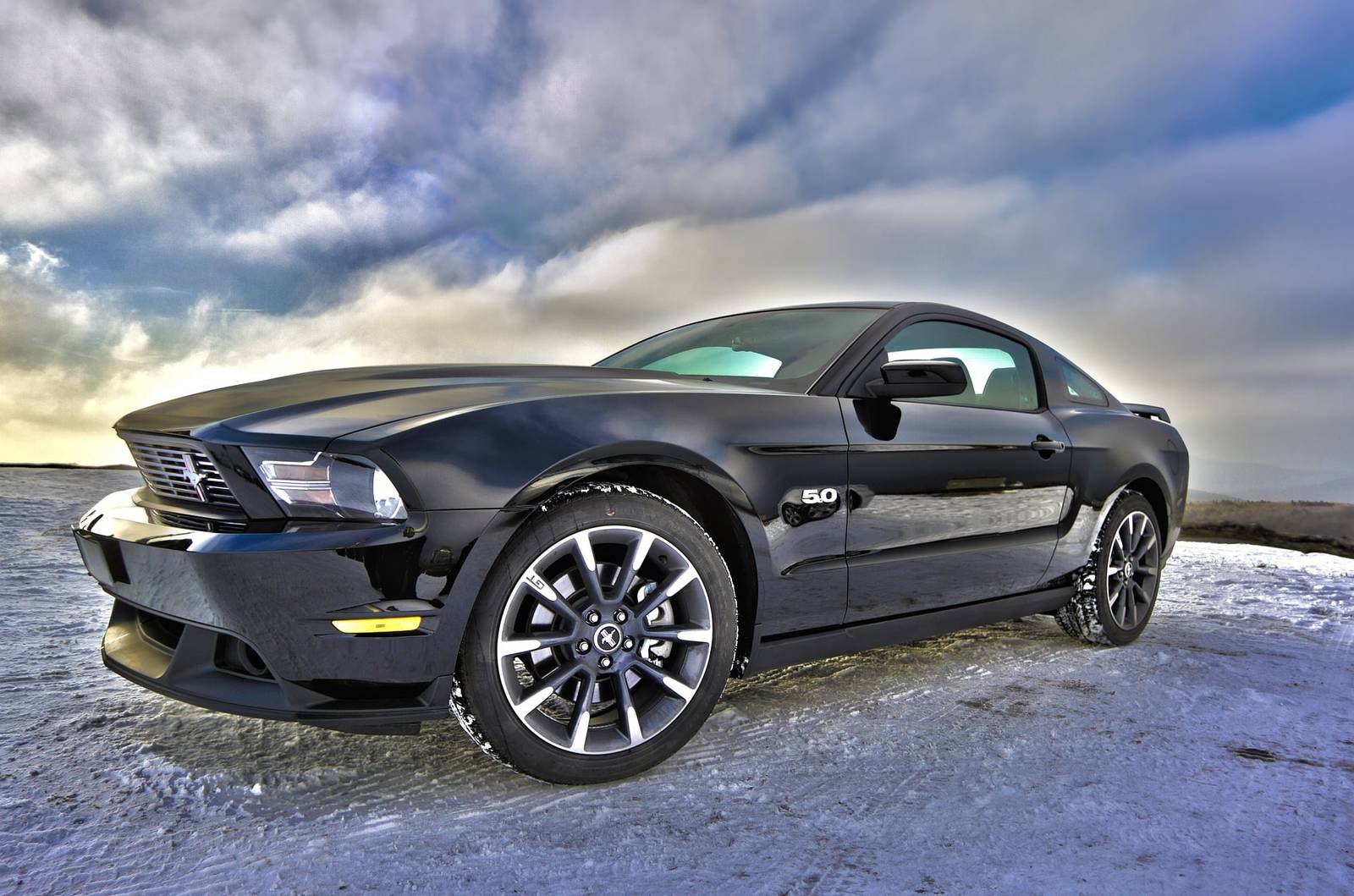
The American Land Yacht: Due to the strong cultural connection and proximity to the United States, large American sedans and muscle cars from the 1950s, 60s, and 70s are highly prized. Look for pristine Cadillacs, like the famous bullet-proof limousine once owned by a former Panamanian head-of-state, or powerful Ford and Chevrolet models. These cars represent status and power from an era of booming American exports.
The British Roadster: Reflecting the colonial history and trade ties with the UK, European sports cars are also prominent. Pristine MGs (MGBs and Midgets), Jaguars (especially the XK series), and Classic Car Culture Austin Healey models are common at meets. These cars, prized for their nimble handling and elegant lines, required meticulous care to survive the climate, making their survival a true testament to the owners’ dedication.
The Cult of the Mini and the Beetle
Not all Classic Car Culture are large and luxurious. The humble, enduring, and economical cars that were once staples of Jamaican daily life are now beloved classics.
The Mini: The Classic Car Culture Mini Cooper and its various derivatives hold a special place in the Jamaican heart. Known for their surprising resilience and zippy performance, the Mini is an icon of the 1960s and 70s, and perfectly restored models are always a favourite at vintage car shows.
The Beetle: The Volkswagen Beetle, with its rugged, simple engineering, was another car that proved perfectly suited to the island’s roads. These cars, now often seen in vibrant custom colours, are testaments to lasting reliability and customization culture.
The Taxi Legacy: British Sedans to Japanese Icons
A fascinating, often-overlooked sub-category of the Kingston Classic Car Culture are the vehicles that served as the original route taxis.
The Original Hackney Carriages: In the early days of public transport, Classic Car Culture British-made sedans were the workhorses. Models that are now Classic Car Culture were once everyday sights on the road, carrying passengers across parishes.
The Transition: The shift from these British classics to the Japanese imports (which now dominate the taxi fleet) provides a historical context to the collection. The sight of a fully restored, period-correct British sedan evokes strong nostalgia for older generations, connecting the love of Classic Car Culture to the island’s social and economic history.
How to Get Involved: Tips for Visiting Enthusiasts
If you are visiting Kingston and want to experience the Classic Car Culture, a little planning will go a long way in maximizing your immersion.
Timing Your Visit
The seasonality of the Classic Car Culture major events is important for planning.
Peak Season: Aim to visit during the last quarter of the year (October to December) to increase your chances of catching the annual flagship show or one of the larger seasonal drive-outs.
Routine Checks: For those with flexible travel Classic Car Culture, routinely check the official JCCC website or their contact line. They provide an interim timetable of proposed meetings, often listing locations like Hope Gardens, Port Royal, or various commercial centres across the Corporate Area. Events are dynamic and subject to change, so confirming the location and time a few days prior is always recommended.
Etiquette at the Meets
When attending a meet, whether official or informal, respectful etiquette is vital.
Look, Don’t Touch: This is the golden rule of any car show. Never touch the paint, open doors, or lean on a vehicle unless explicitly invited to do so by the owner. These cars are often the culmination of years of dedicated work and substantial financial investment.
Ask Before Photographing: While most owners are proud to have their vehicles photographed, it is courteous to ask permission, especially if you intend to take close-up shots of details or features.
Engage the Owners: Jamaican owners are passionate and friendly. They love to talk about the history of their cars, the challenges of restoration, and where they sourced their parts. Express genuine interest, and you will be met with warm, enthusiastic conversation. Learn a little about the history of the models you are interested in beforehand, and you will find the discussion even richer.
Resources for the Aspiring Classic Car Owner
For the ultimate enthusiast who dreams of bringing a Classic Car Culture to Jamaica, or purchasing one locally, be aware of the unique challenges.
Maintenance Challenges: The tropical climate and the poor road conditions (as highlighted in countless driving guides) mean constant vigilance is required. Rust protection, specialized parts sourcing, and expert mechanics with Classic Car Culture experience are essential. The JCCC is the best resource for networking with reliable parts dealers and experienced restorers across the island.
Importation: Regulations for importing Classic Car Culture and vintage vehicles are in place. Anyone considering bringing a car into the country should consult the relevant Jamaican customs agencies and the JCCC for up-to-date guidance on duty concessions and compliance with local road standards.