



In a new New Car Study market characterized by unprecedented prices, rapid technological change, and the increasing complexity of electrification, buyers need assurance now more than ever that their investment will last. The annual Consumer Reports (CR) Auto Reliability Survey is the industry’s most respected barometer of real-world dependability, compiling data from owners on problems encountered across 17 distinct trouble areas.
The results of the latest CR study for 2025 reaffirm a familiar automotive hierarchy: Toyota, Subaru, and Lexus have once again claimed the top positions for predicted reliability. While the industry is innovating furiously, these Japanese giants are succeeding by prioritizing meticulous refinement over risky redesigns. The data, compiled from owners of over 380,000 vehicles, paints a clear picture: consistency, shared components, and a cautious approach to new technology are the keys to long-term quality.
This definitive report breaks down the 2025 findings, revealing the strategic reasons behind this Japanese dominance, highlighting which specific models and powertrains are proving the most dependable, and offering critical insights into the emerging reliability challenges facing Electric Vehicles (EVs) and Plug-in Hybrid Electric Vehicles (PHEVs).
The Top New Car Study: Decoding the Japanese Advantage
For decades, Asian manufacturers, particularly those from Japan, have led the reliability charts. The 2025 results show this trend is not slowing down, with Toyota regaining the top spot, followed closely by Subaru and Lexus completing the podium.
Toyota’s Engineering Philosophy: The Incremental Approach
Toyota’s continuous presence at the top of the reliability rankings stems from a deeply ingrained corporate philosophy: a focus on durability, refinement, and avoiding radical, untested changes.
Proven Components: Toyota excels at utilizing long-standing, shared powertrains and platforms across a wide range of models. This practice allows them to work out any engineering “kinks” over many years and generations, maximizing component maturity.
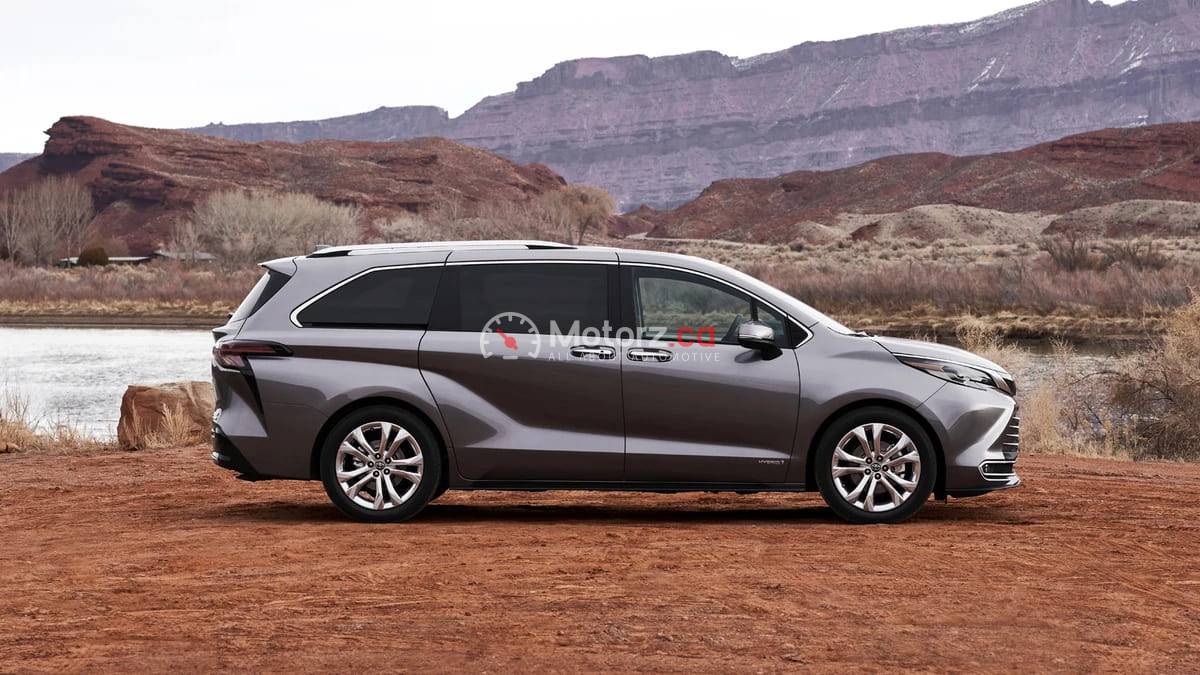
Mastery of Hybrids: Conventional hybrid vehicles (HEVs) are Toyota’s biggest strength. The CR study shows that hybrids, on average, have 15 percent fewer problems than traditional gasoline-only cars. Toyota and Lexus models like the Camry Hybrid and Lexus ES Hybrid are standouts, proving that complexity, when perfected, can enhance, rather than hurt, dependability.
Widespread Success: Toyota models such as the Toyota 4Runner (scoring exceptionally high with a predicted reliability of 95/100) and the Toyota Corolla Cross are examples of vehicles that rely on simple, robust mechanics and high-quality build materials.
Subaru and Lexus: Strength in Specialized Segments
While Toyota leads the reliability index, Subaru took the number one spot in CR’s overall Brand Report Card for the second consecutive year (which combines reliability with owner satisfaction, road test scores, and safety). Lexus, Toyota’s luxury arm, maintains its elite status.
Subaru’s Consistent AWD Platform: Subaru’s entire non-EV lineup is built around its symmetrical All-Wheel Drive system and the Boxer engine. By sticking to this core architecture for most models (like the highly reliable Subaru Impreza and Crosstrek), the company has honed the engineering to a point of extreme dependability. Subaru is frequently cited as the choice for drivers who prioritize all-weather capability without sacrificing long-term peace of mind.
Lexus: Luxury with Longevity: Lexus consistently delivers world-class reliability while integrating modern luxury and technology. The luxury arm benefits heavily from shared Toyota core components but adds a level of fit-and-finish that outpaces most European rivals. The Lexus IS and Lexus ES Hybrid are notable for providing a smooth, high-end experience that doesn’t come with the expensive repair risks typical of older luxury brands.
Powertrain Reliability Showdown: Hybrids vs. EVs vs. Gas
The 2025 study offers crucial data on how different powertrain types perform, delivering clear guidance for buyers navigating the transition to electrification.
The Unmatched Reliability of Conventional Hybrids (HEVs)
The most striking finding is the continued stellar performance of conventional, non-plug-in hybrids.
Fewer Moving Parts, Fewer Problems: In a conventional hybrid system (like those from Toyota and Hyundai), the electric motor and battery assist the gasoline engine. This setup often results in less strain on the traditional transmission and braking components, as regenerative braking handles much of the deceleration.
Refinement Wins: Automakers like Toyota and Hyundai have spent over a decade perfecting these complex systems, leading to a level of engineering confidence that makes HEVs a statistically more reliable choice than their gas-only counterparts. Models like the Lexus ES Hybrid and the new Toyota Camry Hybrid (now hybrid-only) are testaments to this mature technology.
The Growing Pains of EVs and PHEVs
Conversely, the study found that Electric Vehicles (EVs) and especially Plug-in Hybrid Electric Vehicles (PHEVs) continue to lag significantly in reliability scores.
Problem Spike: CR reports that EVs and PHEVs experience approximately 80 percent more problems on average compared to conventional ICE vehicles.
New Technology Risk: Much of the unreliability stems from the complexity and relative newness of the technology. The reported trouble areas often center around:
EV Drive Motor Systems
Proprietary Charging Components
High-tech Infotainment and Digital Dashboards
High-Voltage Battery Thermal Management
Notable Exception: The Tesla Model Y is a key standout, ranking as the most reliable EV in the study and demonstrating improved scores due to technological refinement and production maturity. Similarly, select models from Ford, Subaru, and Hyundai also received average-or-better predicted reliability scores, indicating that EV reliability is improving unevenly across the industry.
Top-Rated Models: The Most Dependable New Cars for 2025
While brand rankings are helpful, specific model data guides the purchase decision. CR compiles a list of the most reliable models, dominated almost entirely by Asian manufacturers.
Sedans, Hatchbacks, and Wagons: The Dependable Core
The sedan segment remains the most reliable vehicle category overall, due to lower mechanical stress and generally simpler systems compared to SUVs and trucks.
The Honda Passport (97/100): Although an SUV, the Passport earned the highest score in the entire study, demonstrating Honda’s capacity for quality execution in a popular, high-utility segment.
Toyota Corolla (76/100) and Corolla Cross (79/100): These models represent the ultimate in affordable, dependable transportation. Their shared, simple platforms and conservative styling lead to minimal owner-reported issues.
Subaru Impreza (80/100) and Legacy (73/100): These offer Subaru’s standard AWD and strong reliability scores, appealing to drivers in regions with heavy weather who prioritize safety and capability.
SUVs and Crossovers: Where Reliability Meets Demand
As the most popular segment, reliable SUVs are highly prized. Here, Toyota and Lexus hold a commanding lead.
Toyota 4Runner (95/100): An anomaly in the modern market, the 4Runner’s extreme reliability is attributed to its old-school body-on-frame construction and a powertrain (the 4.0L V6) that has been in use for well over a decade. It is a testament to longevity.
Toyota RAV4 (77/100): The RAV4, in its gas, hybrid, and PHEV variants, is a top seller and highly recommended. The core engineering is sound, making it a safe choice in the competitive compact SUV space.
Lexus NX (71/100) and RX (Top in Luxury): These models offer Lexus’s signature comfort and benefit directly from Toyota’s top-tier hybrid technology, making them the most dependable choices for luxury buyers.
Strategies for Buyers: Leveraging CR’s Data
Using the Consumer Reports reliability study effectively is key to a smart new car purchase. Reliability scores are predicted based on historical and current owner-reported data, making them an excellent tool for minimizing long-term ownership costs.
Why Newer Models May Have Lower Scores
A model that is completely redesigned often sees a temporary dip in its predicted reliability score for the first year or two of production. This is often the time when manufacturers introduce new infotainment screens, brand-new engines, or novel transmissions.
The Rule of Thumb: If you are set on a newly redesigned vehicle, it is often wise to wait until its second or third year of production (e.g., waiting for a 2027 model instead of buying the all-new 2025). By that time, the manufacturer will have implemented fixes (often called “silent recalls”) based on the real-world issues reported by early adopters.
Model Year Sweet Spot: Conversely, cars in their final years of a generation (before a major redesign) often have the highest scores, as all issues have been solved.
The Reliability Score is Only One Metric
While reliability is paramount, CR’s comprehensive Brand Report Card combines four critical areas:
Predicted Reliability Score (from owner surveys)
Road-Test Score (how well the car drives)
Owner Satisfaction Score (how likely owners are to buy the car again)
Safety Score (from IIHS and NHTSA crash tests)
Holistic View: A high reliability score means the car won’t break, but a high Road-Test and Owner Satisfaction score means it is a vehicle you will actually enjoy driving. Buyers should use the predicted reliability score (like Toyota’s 66/100 or Subaru’s 63/100) as the financial foundation for a purchase, then filter by the models that also score well in the other three areas.
The Value of Predictability
The 2025 Consumer Reports reliability study is a powerful guide for consumers facing high new car prices. It confirms that the enduring commitment of Toyota, Subaru, and Lexus to cautious engineering, continuous refinement, and the mastery of conventional hybrid technology translates directly into industry-leading dependability.
While the automotive world shifts toward full electrification, the data clearly recommends prioritizing models from these established brands, especially their conventional hybrid offerings, for the lowest risk of ownership. By choosing a model from the top tier, buyers are not just purchasing a new car; they are investing in years of predictable, low-stress driving.