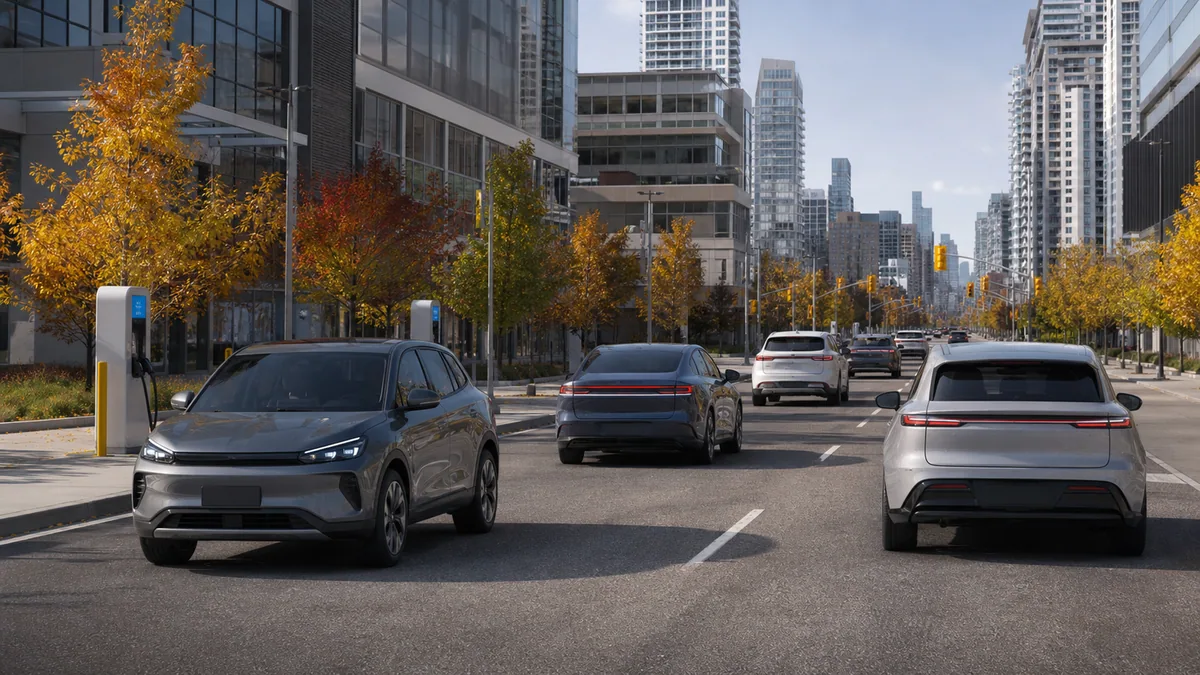
Canada is in the midst of an automotive evolution, and the data clearly shows a significant shift towards electrified transportation. While battery electric vehicles (BEVs) often grab headlines, hybrid vehicles in Canada are quietly and steadily gaining ground, becoming an increasingly popular choice for a growing segment of the population. Their blend of fuel efficiency, lower emissions, and practicality makes them a compelling option for Canadian drivers navigating diverse climates and distances.

This blog post explores the compelling trends driving the increased popularity of hybrids across the country, delves into current market dynamics, and looks ahead at the forecasts shaping the future of these vehicles in the Canadian automotive market.

The Forces Behind the Hybrid Vehicles in Canada

Several interconnected factors are contributing to the rising tide of hybrid vehicle adoption in Canada:

Fuel Price Volatility: Canadians are acutely aware of the fluctuating and often high cost of gasoline. Hybrid vehicles, with their ability to operate on Hybrid Vehicles in Canada at lower speeds and through regenerative braking, offer tangible fuel savings, directly impacting the wallets of drivers. This financial incentive is a major driver for many buyers.

Growing Environmental Consciousness: As awareness of climate change and air quality increases, more Canadians are actively seeking ways to reduce their environmental footprint. Hybrid vehicles, producing lower tailpipe emissions than conventional Hybrid Vehicles in Canada, provide a readily available and accessible option for environmentally minded consumers who may not be ready for a full transition to electric.

Technological Advancements and Expanding Model Availability: Hybrid technology has come a long way since its early days. Modern hybrids offer seamless transitions between gasoline and electric power, improved performance, and are integrated into a wider variety of vehicle types, from compact sedans to popular SUVs and even trucks. This increased selection means Hybrid Vehicles in Canada a hybrid option to suit almost any need and lifestyle.

Concerns About Charging Infrastructure (for BEVs): While the charging infrastructure for BEVs is expanding in Canada, concerns about the availability and speed of charging stations, particularly in rural areas or during long road trips, remain a barrier for some potential BEV buyers. Standard hybrids, which refuel at regular gas stations, alleviate this “range anxiety” and offer a more familiar experience.

Government Incentives: Both federal and some provincial governments in Canada offer incentives and rebates for the purchase or lease of eligible new zero-emission Hybrid Vehicles in Canada (ZEVs), which include many plug-in hybrids (PHEVs). These financial incentives can help offset the higher upfront cost of electrified vehicles, making them more accessible.

Current Trends in the Canadian Hybrid Market

Recent data highlights the significant momentum in the Canadian hybrid vehicle market:

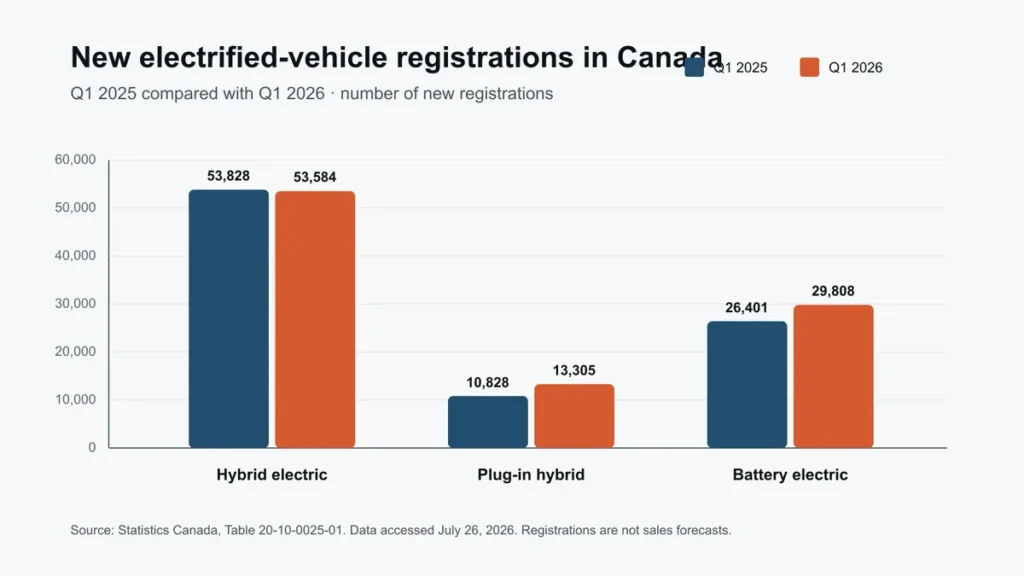
Steady Sales Growth: Statistics Canada data shows a consistent upward trend in the registration of zero-emission vehicles (ZEVs), which include hybrids (both standard and plug-in). While BEVs make up a larger portion of ZEV sales, the Hybrid Vehicles in Canada continues to see strong growth, indicating sustained consumer interest.

SUV Dominance: Consistent with the overall Canadian market, hybrid SUVs and crossovers are particularly popular. Models like the Toyota RAV4 Hybrid and Honda CR-V Hybrid are top sellers, demonstrating that Canadians want the practicality of an SUV combined with the efficiency of a hybrid powertrain.

Increasing Role of Plug-in Hybrids (PHEVs): PHEVs are gaining traction as they offer a bridge between traditional hybrids and BEVs. They provide a significant all-electric range for shorter commutes and the flexibility of a gasoline engine for longer journeys. This makes them appealing to drivers who want to experience electric driving but still require the Hybrid Vehicles in Canada of a gasoline backup.

Brand Expansion: More automotive manufacturers are introducing hybrid and PHEV variants of their popular models, providing consumers with more choices than ever before across different vehicle segments.

Forecasts for the Future of Hybrids in Canada

Looking ahead, forecasts suggest that hybrid vehicles will continue to play a vital role in the Canadian automotive market, even as BEV adoption Hybrid Vehicles in Canada.

Continued Market Share Growth: While BEVs are projected to capture a larger share of the overall ZEV market in the long term, analysts predict that hybrids (including PHEVs) will maintain a significant market presence and continue to grow their sales volume in the coming years. They are seen as a crucial step in the transition away from purely gasoline-powered vehicles.

Hybrids as a Bridge Technology: For many Hybrid Vehicles in Canada, hybrids represent a practical and less daunting entry point into electrified transportation. They offer a way to experience the benefits of electric power and improved fuel efficiency without the perceived challenges of relying solely on charging infrastructure. This “bridge” function is expected to drive continued sales, especially in regions where charging infrastructure is still developing or for drivers with specific use cases that make a BEV less ideal today.

Alignment with Government Targets: The Canadian government has set ambitious targets for ZEV sales, aiming for 100% of new light-duty vehicle sales to be zero-emission by 2035. Plug-in hybrids (PHEVs) contribute to meeting these targets, ensuring their continued relevance in the market as manufacturers work towards full Hybrid Vehicles in Canada goals.

Focus on Efficiency and Performance: Future hybrid models are expected to push the boundaries of fuel efficiency further while also offering enhanced performance and more sophisticated technology, making them even more appealing to a broader range of buyers.

Challenges and Considerations

Despite the positive trends, the growth of hybrids in Hybrid Vehicles in Canada also faces some considerations:

Upfront Cost: Hybrid vehicles often have a higher purchase price than comparable gasoline-only models, which can be a barrier for some buyers despite potential fuel savings and incentives.

Evolving Government Incentives: The availability and amount of government incentives for hybrids and PHEVs can change, impacting their affordability.

Battery Life and Replacement: Concerns about the long-term durability and potential cost of replacing the hybrid battery exist for some consumers, although warranties typically cover batteries for a significant period.

Repair and Maintenance Expertise: While routine maintenance is Hybrid Vehicles in Canada to gasoline cars, specialized expertise may be required for servicing the hybrid system, which could be a concern in some areas.

Conclusion: A Key Player in Canada’s Electric Transition

The growing popularity of hybrid vehicles in Canada is a clear indicator of the country’s transition towards a more sustainable automotive future. Driven by economic factors, environmental awareness, technological advancements, and strategic positioning as a practical stepping stone to full electrification, hybrids are set to remain a key player in the Hybrid Vehicles in Canada automotive market for the foreseeable future.

As model availability expands and technology continues to improve, the appeal of hybrids will likely grow, making them an increasingly common sight on Canadian roads and contributing significantly to the country’s emissions reduction goals. For Canadian drivers looking for a balance of efficiency, practicality, and reduced environmental impact,

Leave a Reply

Your email address will not be published. Required fields are marked *