


The global shift toward sustainable mobility is not a single, unified movement, but a fierce, two-front technological battle. At the heart of the future of transport lies the rivalry between the ubiquitous Battery Electric Vehicle (BEV) and the niche but tenacious Hydrogen Fuel Cell Vehicle (FCEV). Both promise a future free from tailpipe emissions, but they represent fundamentally different pathways to achieving zero-emission vehicles (ZEV).
For years, the debate has raged: will the world Electric Vehicles vs. Hydrogen Fuel Cell, or fill up with gas made from water? The stakes are astronomical, impacting everything from national energy grids and industrial policy to the daily commute of billions. This deep dive into electric vehicles vs. hydrogen fuel cell technology explores the science, economics, and infrastructure realities to determine which contender is best positioned to win the sustainable mobility race and redefine the modern car.
Understanding the Electric Vehicles vs. Hydrogen Fuel Cell
To appreciate the Electric Vehicles vs. Hydrogen Fuel Cell and weaknesses of each contestant, we must first understand the engineering principles that power them.
Battery Electric Vehicles (BEVs): The Plug-In Solution
The Battery Electric Vehicle, exemplified by manufacturers like Tesla, BYD, and numerous others, is essentially an electric motor powered by a large, rechargeable lithium-ion battery pack.
Operation: Electric Vehicles vs. Hydrogen Fuel Cell is drawn from the grid (or a home charger) and stored chemically in the battery. The battery directly feeds an electric motor, which turns the wheels.
Emissions: BEVs produce zero tailpipe emissions. Their overall environmental footprint depends entirely on how the electricity used to charge them is generated (i.e., the grid mix).
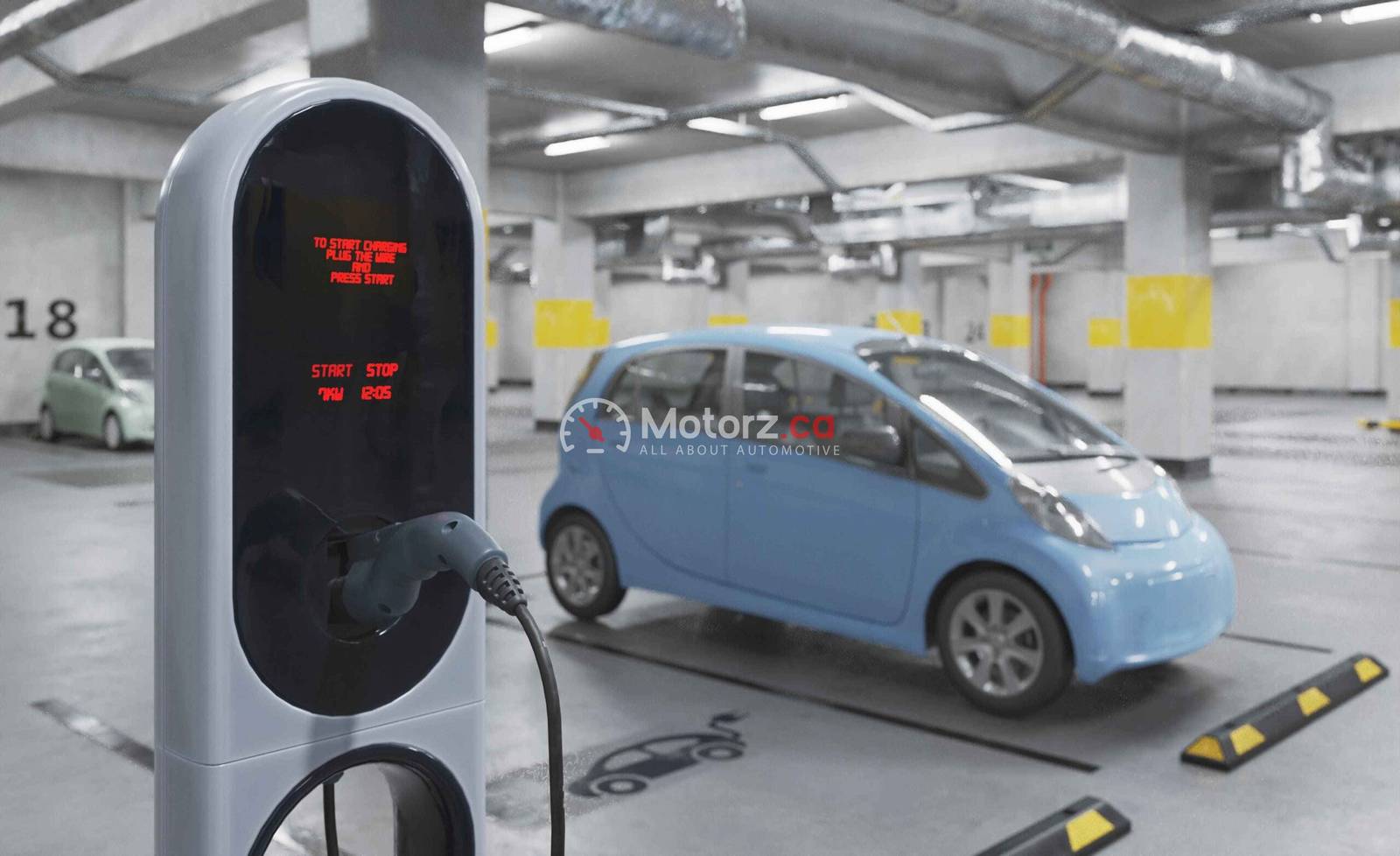
Infrastructure: They rely on the existing Electric Vehicles vs. Hydrogen Fuel Cell grid, with charging facilitated by home chargers (Level 1/2), workplace stations, or public DC fast chargers.
Hydrogen Fuel Cell Vehicles (FCEVs): The Onboard Power Plant
The Hydrogen Fuel Cell Vehicle, championed by companies like Toyota and Hyundai, generates its own electricity on board using a chemical reaction.
Operation: Hydrogen gas (H₂) is stored in high-pressure tanks. This gas is fed into a fuel cell stack, where it reacts with oxygen (O₂) drawn from the Electric Vehicles vs. Hydrogen Fuel Cell. The chemical reaction generates electricity to power an electric motor (the same kind used in BEVs), and the only byproduct is water vapor (H₂O).
Emissions: Like BEVs, FCEVs produce zero tailpipe emissions—only pure water vapor.
Infrastructure: They require an entirely new network of dedicated hydrogen refueling stations, which store and dispense hydrogen gas at high pressures.
The Efficiency Showdown: Well-to-Wheel Analysis
When comparing green technologies, mere tailpipe emissions are insufficient. We must look at “Well-to-Wheel” efficiency, which accounts for energy Electric Vehicles vs. Hydrogen Fuel Cell from the point of energy generation (the “well”) all the way to the vehicle’s wheels. This metric highlights the clearest scientific advantage for the BEV.
BEV Energy Pathway
Generation: Electricity is produced (e.g., from solar, wind, or gas).
Transmission: Electricity is moved through the grid to the Electric Vehicles vs. Hydrogen Fuel Cell.
Charging/Storage: Electricity is converted and stored in the vehicle’s battery (with some loss).
Use: The motor converts stored electricity into motion.
Total Efficiency: Typically, a BEV system is about 77-80% efficient in converting energy from the grid to power at the wheels.
FCEV Energy Pathway
Generation: Electric Vehicles vs. Hydrogen Fuel Cell is produced (required for electrolysis or other methods).
Hydrogen Production: Electricity is converted into hydrogen gas (a major energy-loss step).
Compression/Transport: Hydrogen is compressed, cooled, and transported to the station (with more loss).
Refueling/Storage: Hydrogen is transferred to the vehicle’s tank.
Use: The fuel cell converts hydrogen back into electricity (another major conversion loss), which then powers the motor.
Total Efficiency: Due to the numerous conversion steps, the Electric Vehicles vs. Hydrogen Fuel Cell pathway is significantly less efficient, typically hovering around 25-30% efficient Well-to-Wheel.
The Verdict: BEVs win the efficiency battle decisively. A BEV uses significantly less energy to travel the same distance, meaning a renewable energy source can power approximately two to three times more BEVs than FCEVs. This is a powerful argument in a world rapidly decarbonizing its electricity supply.
The Infrastructure Reality: Deployment and Convenience
Efficiency aside, the practical viability of a Electric Vehicles vs. Hydrogen Fuel Cell is determined by its infrastructure. This is where the race currently holds its biggest gap.
The EV Charging Network
Global Scale: The BEV market has witnessed explosive growth. By 2025, the number of public charging points globally has expanded rapidly, with China and Europe leading the deployment of DC fast-charging stations, which can replenish a battery to 80% in under 30 minutes.
Ubiquity: Charging infrastructure can leverage the existing Electric Vehicles vs. Hydrogen Fuel Cell grid. Charging can happen everywhere—at home, at work, at shopping centers—making it highly convenient for urban mobility and daily commutes.
The Challenge: Despite immense growth, range anxiety persists, and charging for long-distance travel or for those without home charging (apartment dwellers) remains a logistical hurdle that requires continuous, massive public investment.
The Hydrogen Refueling Network
Sparse Network: The Electric Vehicles vs. Hydrogen Fuel Cell infrastructure remains critically underdeveloped. The number of hydrogen stations worldwide is still measured in the hundreds, concentrated in a few key markets (Japan, South Korea, California). Building one station is exponentially more expensive and complex than installing a BEV charger.
The Advantage: For the consumer, refueling time is the FCEV’s most compelling argument. FCEVs can be filled in 3-5 minutes, comparable to a gasoline vehicle, completely eliminating the time commitment of charging. This makes them ideal for drivers who rely on rapid turnaround, such as long-haul trucking and taxi fleets.
The Challenge: The high capital cost and technical complexity of producing, storing, and dispensing highly pressurized hydrogen make station deployment slow and expensive, creating a classic “chicken-and-egg” problem: few cars mean few stations, and few stations mean limited car sales.
The Verdict: BEVs have a monumental head start. Their ability to leverage the existing electrical grid has resulted in a rapidly scaling and decentralized infrastructure that Electric Vehicles vs. Hydrogen Fuel Cell are years, if not decades, away from matching for passenger vehicles.
Economic & Vehicle Cost Analysis
The total cost of ownership (TCO) is the ultimate test for mass consumer adoption.
Initial Purchase Price
FCEV Cost Barrier: Fuel cell Electric Vehicles vs. Hydrogen Fuel Cell are currently significantly more expensive to manufacture than comparable BEVs. The complexity of the fuel cell stack, the high-pressure carbon fibre storage tanks, and the limited economies of scale push their initial purchase price well above that of a mass-market EV.
BEV Cost Parity: While still generally more expensive than internal combustion engine (ICE) cars, the cost of lithium-ion batteries is decreasing rapidly. Many experts project that BEVs will reach price parity with ICE vehicles in the coming years, primarily due to the simpler drivetrain and the massive scale of global battery production.
Fuel/Energy Cost
BEV Operating Cost: Electricity is cheap, especially when charging at home overnight. BEVs boast a far lower cost-per-mile than either FCEVs or gasoline cars.
FCEV Operating Cost: While the fuel itself is hydrogen, the process of creating, transporting, and dispensing it is costly. Currently, hydrogen fuel prices are high, often making the running cost of an FCEV comparable to, or even more expensive than, a gasoline car in some regions. This negates one of the primary benefits of switching to a new Electric Vehicles vs. Hydrogen Fuel Cell.
The Verdict: BEVs are currently winning on both upfront and operating costs. Falling battery prices and inexpensive electricity make the BEV the financially superior choice for the vast majority of consumers.
The Environmental and Ethical Considerations
Both technologies are hailed as solutions to the climate crisis, but neither is perfect.
Battery Electric Vehicle Concerns
Battery Raw Materials: BEVs rely heavily on critical minerals like cobalt, nickel, and lithium. The mining of these materials raises Electric Vehicles vs. Hydrogen Fuel Cell concerns regarding labour and environmental destruction.
Battery Recycling: Establishing a sustainable, large-scale battery recycling infrastructure is essential to close the loop and mitigate the long-term environmental impact of spent battery packs.
Hydrogen Fuel Cell Vehicle Concerns
The Colour of Hydrogen: Over 95% of hydrogen produced today is “grey hydrogen,” generated from natural gas without carbon capture, making it a source of CO₂ emissions. True “green hydrogen” is produced by electrolysis powered by 100% renewable electricity, but this process is currently expensive and contributes to the low Well-to-Wheel efficiency.
Energy Consumption: Because the FCEV pathway is highly inefficient, powering a fleet of hydrogen cars with green hydrogen would require a vast, nearly three-fold increase in renewable energy capacity compared to an equivalent BEV fleet.
The Verdict: While the BEV faces challenges with raw materials, the FCEV’s reliance on green hydrogen is a profound hurdle. The low efficiency means that any country serious about rapid, large-scale decarbonization must prioritize the most efficient use of its renewable energy—which is the BEV.
The Future: Coexistence or Competition?
Based on the current trends in efficiency, infrastructure, and cost, the Battery Electric Vehicle has established a decisive lead and is the clear winner for the light-duty passenger vehicle segment. The economic momentum and consumer Electric Vehicles vs. Hydrogen Fuel Cell are now too great for the FCEV to overcome in this category.
However, the narrative is different for heavy-duty transport.
Hydrogen’s Niche: Long-Haul and Commercial Fleets
The FCEV’s core advantages—quick refueling and high energy density (which is crucial for carrying heavy loads over long distances)—make it uniquely suited for commercial applications:
Trucking and Logistics: Long-haul semi-trucks, which need to travel hundreds of miles a day with minimal downtime, cannot afford the long charging times of current BEV trucks. FCEVs offer the necessary rapid turnaround.
Maritime and Aviation: Hydrogen is a promising fuel for large-scale shipping and aviation, sectors where battery weight and volume are Electric Vehicles vs. Hydrogen Fuel Cell.
Industrial Decarbonization: Beyond transport, green hydrogen is essential for decarbonizing heavy industries like steel and cement production.