
The transition to Hybrid Battery Fumes is often presented as a step toward a cleaner, safer automotive future. However, a major lawsuit filed against Ford Motor Company has brought a critical, often overlooked safety risk into the spotlight: the potential release of toxic fumes from high-voltage hybrid batteries.
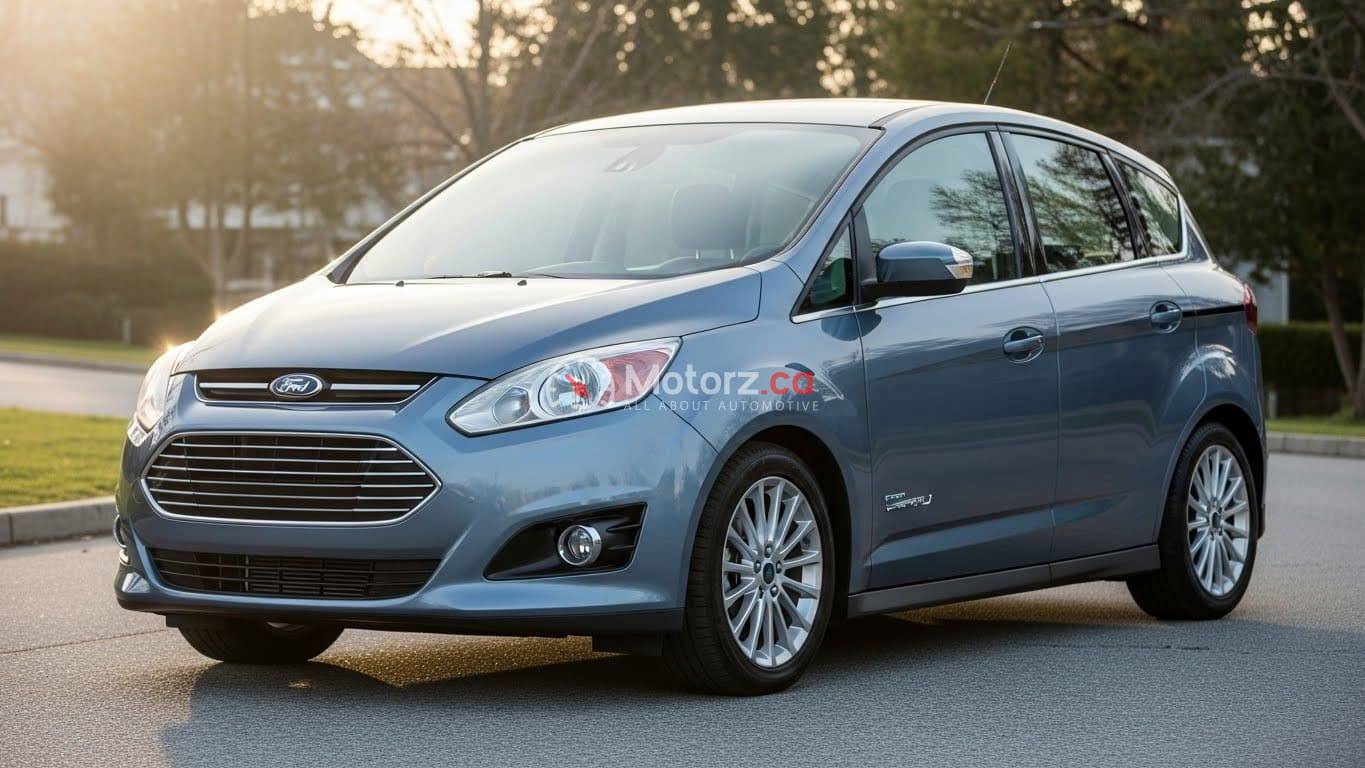
The lawsuit, filed by the family of Abimael Feliciano, a Dothan resident, alleges that a defect in a 2015 Ford C-Max Hybrid caused a fatal buildup of hydrogen sulfide gas inside the vehicle’s cabin. Feliciano was found unresponsive inside his vehicle at a traffic light in August 2023, with forensic evidence confirming hydrogen sulfide exposure as the cause of death.
This tragic case raises profound questions about the design, ventilation, and maintenance standards for hybrid battery systems. This article delves into the details of the Ford C-Max lawsuit, the nature of the toxic chemical involved, and the growing demand for better safety features in electrified vehicles.
The Core Allegation: A Deadly Design Flaw in the Hybrid Battery Fumes
The wrongful death lawsuit centers on the design and installation of the hybrid battery system in the Ford C-Max, claiming that a defect allowed poisonous gas to seep into the passenger compartment.
The Failure Point: Detached Battery Vent Tube
According to the legal filing, the catastrophic failure was linked to a detached or improperly installed battery vent tube within the C-Max Hybrid.
Battery Function: Hybrid vehicles, particularly those using Nickel-Metal Hydride (NiMH) batteries (common in older hybrids like the C-Max), contain complex chemical components. Under certain conditions—especially during overcharging, overheating, or failure—these batteries can vent gases.
Hydrogen Sulfide Gas: When an NiMH battery fails or degrades, it can release toxic fumes, including hydrogen sulfide (H₂S). This is a highly dangerous, colorless gas that is poisonous even in small amounts. At high concentrations, it can rapidly cause loss of consciousness and death by respiratory paralysis.
The Cabin Leak: The lawsuit alleges that the failure of the vent tube, which is designed to channel these hazardous gases safely outside the vehicle, allowed the deadly hydrogen sulfide to leak and accumulate inside the vehicle cabin while the driver was operating the vehicle under normal conditions.
Ford’s Legal Exposure and Safety Warnings
The plaintiffs argue that Ford failed on multiple fronts, leading directly to the driver’s demise:
Design and Manufacturing Defects: The suit claims that the vehicle contained serious design and manufacturing defects that made the battery system unreasonably dangerous.
Insufficient Warnings: The complaint alleges that Ford failed to provide sufficient warnings to consumers about the potential risks associated with the battery’s venting system and the extreme toxicity of the gases involved.
Lack of Safeguards: Crucially, the lawsuit argues that the vehicle lacked basic, standard safety features—such as an internal sensor or monitoring system—that could have warned the driver of the gas buildup before it reached fatal concentrations.
The Science of Danger: Understanding Hydrogen Sulfide Poisoning
The chemical agent at the heart of the lawsuit, hydrogen sulfide, is a silent killer, and understanding its effects underscores the severity of the alleged defect.
H₂S: The Silent, Deadly Toxin
Hydrogen sulfide is widely known in industrial contexts (sewer gas, natural gas production) but its presence in a passenger vehicle is extremely concerning.
Odor and Deception: H₂S is often recognizable by its characteristic “rotten egg” smell. However, the nose quickly becomes fatigued, meaning that at high, immediately dangerous concentrations, the victim may no longer be able to smell the gas, leading to a false sense of security.
Lethal Mechanism: The gas is a powerful neurotoxin. Inhalation leads to irritation of the eyes, throat, and lungs, but at high levels, it targets the nervous system, rapidly leading to dizziness, nausea, confusion, and, ultimately, the inability to breathe.
Rapid Effect: The speed with which hydrogen sulfide can incapacitate a person is what makes a cabin leak so deadly. A driver has very little time to recognize the danger and pull over safely.
Safety Insight: While NiMH batteries are generally safer than some Lithium-ion formulations concerning fire risk, this case emphasizes the different but equally critical risk of toxic gas release upon internal failure or thermal events. All batteries require robust and flawless ventilation systems.
The Broader Implications for Hybrid and EV Safety Standards
This lawsuit extends far beyond a single model or specific incident; it highlights a potential safety gap in the burgeoning market of electrified vehicles that urgently needs attention from manufacturers and regulators.
Current Ventilation Systems and Potential Failure
Hybrid and electric vehicle battery packs are designed to be sealed units, but they must incorporate systems for thermal management and ventilation to maintain optimal operating temperatures and safely release any gases that might build up internally.
Design Vulnerability: The C-Max case suggests a potential design vulnerability where the essential venting pathway is susceptible to detachment, blockage, or degradation over time or due to servicing errors.
Standard Vehicle Safety: Traditional gasoline cars have complex systems (like the catalytic converter) that deal with exhaust fumes, and safety standards mandate monitoring (like oxygen sensors). The plaintiffs argue that similar redundant monitoring systems are necessary for high-voltage batteries to detect and warn drivers of internal cabin gas contamination.
The Need for Hydrogen Sulfide Monitoring
Currently, vehicle safety standards prioritize battery fire containment and structural integrity. The lawsuit calls for an expansion of these standards to address chemical hazards like hydrogen sulfide exposure.
Analogy to Carbon Monoxide: Just as carbon monoxide (CO) detectors are standard in homes to guard against colorless, odorless poisoning, the automotive industry may need to consider implementing chemical gas sensors specifically tailored to battery toxins (like H₂S) in the cabin or ventilation stream of hybrid and electric vehicles.
Raising Awareness: The family’s legal team has stated their commitment to raising public awareness, hoping to prompt stricter mandates from regulatory bodies like the National Highway Traffic Safety Administration (NHTSA) to ensure that hybrid battery venting systems are fail-safe and monitored.
Ford’s History with Hybrid Battery and Fuel System Issues
While Ford is a leader in electrification, the company has faced previous challenges and recalls related to hybrid and electrified powertrains.
Past Hybrid Fire and Power Loss Recalls
Ford has initiated recalls on several hybrid and plug-in hybrid electric vehicle (PHEV) models for issues related to battery health and fire risk:
Escape/Corsair PHEV Fire Risk: Ford issued a recall for certain model years of the Escape PHEV and Lincoln Corsair Grand Touring PHEV due to micro-cracks in the lithium-ion batteries that could cause an internal short circuit, leading to fire. This required owners to stop charging their vehicles entirely until a fix could be implemented.
Loss of Power: Earlier hybrid models, including the Ford Fusion Hybrid, have faced class action lawsuits and complaints related to sudden, unexpected loss of power or engine stalling due to defects in the hybrid battery and powertrain control systems.
While the C-Max hydrogen sulfide case involves a different chemical and mechanism than the fire-related recalls, both underscore the challenges of integrating complex, high-voltage battery systems into mainstream consumer vehicles and the absolute necessity of rigorous testing and failure-mode analysis.
Implications for Hybrid Owners and Maintenance Tips
For owners of hybrid and plug-in hybrid vehicles, particularly older models like the Ford C-Max, this lawsuit serves as a crucial warning about the importance of specialized maintenance.
NiMH Battery Lifespan and Degradation
The C-Max Hybrid used NiMH batteries, which have different failure modes than the more common Lithium-ion (Li-ion) batteries found in most modern EVs and hybrids.
Degradation: NiMH batteries tend to degrade over a longer period, and their internal pressure and chemical balance can change significantly as they age and are cycled heavily, increasing the potential for off-gassing.
Heat Sensitivity: These batteries are also sensitive to heat. Any issue with the battery’s active cooling system could accelerate degradation and increase the likelihood of thermal events that cause venting.
Essential Safety Tips for Hybrid Vehicle Owners
Until safety standards address internal air quality more explicitly, hybrid owners should take proactive measures:
Monitor for Odors: Be vigilant for any unusual odors, particularly a sulfurous, rotten-egg smell. While nose fatigue is a risk, any unusual smell should prompt immediate action.
Check Vent System Integrity: Ensure that any inspection or repair involving the hybrid battery pack—especially those located under the back seat or in the trunk—includes a check of the vent tube’s connection and integrity. If you have maintenance performed, specifically ask the technician to confirm the vent line is secure and unobstructed.
Address Warning Lights Immediately: Do not ignore any dashboard warning light related to the hybrid system, the battery, or the powertrain. These warnings can be precursors to a thermal or chemical event.
A Demand for Accountability and Enhanced Safety
The Ford C-Max Hybrid lawsuit is a tragic but important milestone in the history of hybrid vehicle safety. It shifts the focus from fire and structural failure to the silent, invisible threat of toxic chemical exposure within the vehicle cabin.
The family of the deceased is seeking not only damages but also systemic change. Their hope is that this lawsuit will force Ford and the wider automotive industry to adopt more robust, fail-safe battery venting designs and, critically, to implement active gas monitoring systems. As hybrid and electric technology continues its rapid expansion, ensuring that these vehicles are chemically safe for occupants under all conditions must become an absolute priority for manufacturers globally.