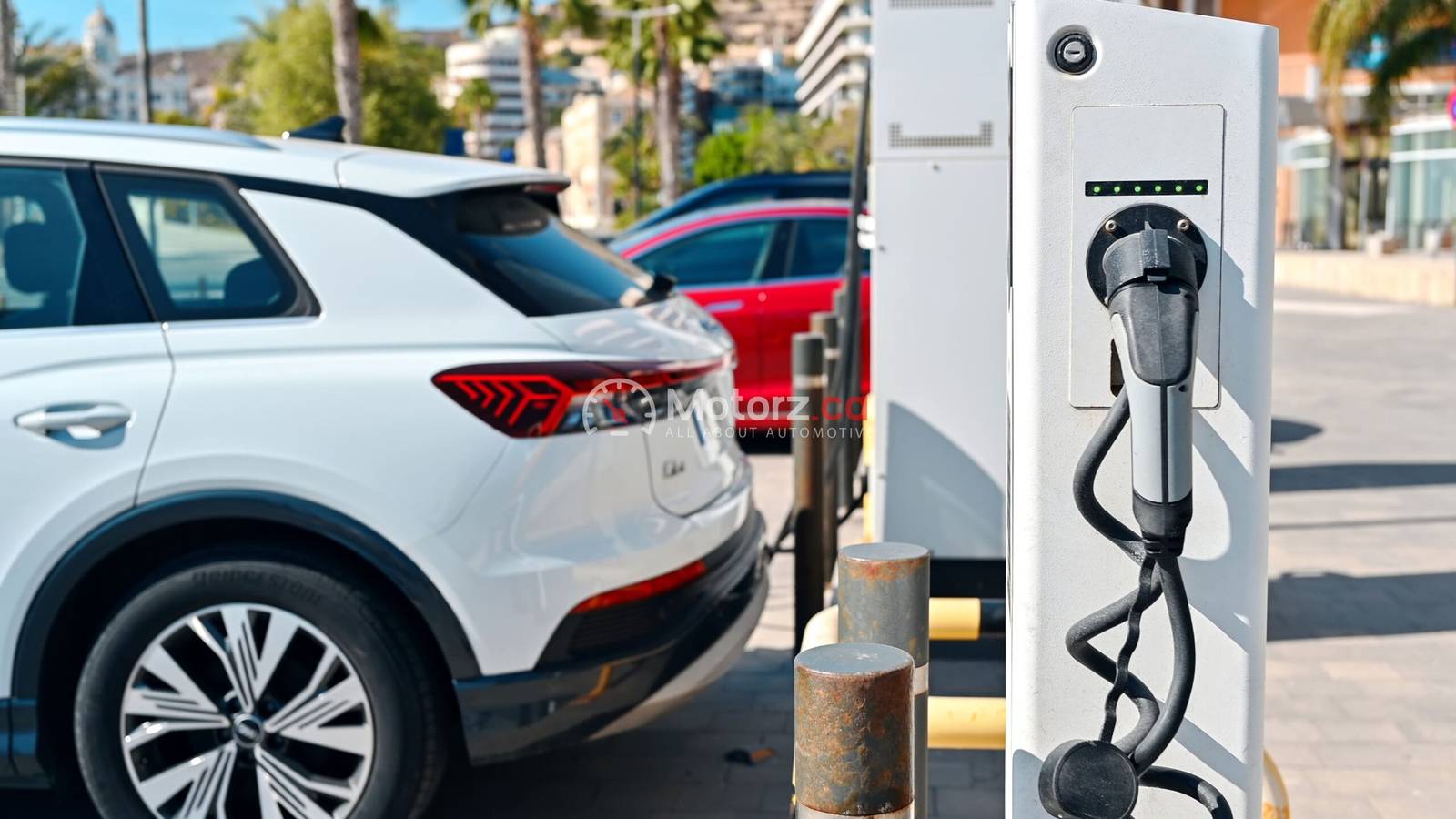
You have finally taken the plunge and purchased an EV Charger Installation in Ontario. The test drive was a blast, the quiet cabin is incredibly peaceful, and the thought of never standing at a smelly gas pump in a freezing Ontario winter blizzard again brings a massive smile to your face.
But as you pull your shiny new electric car into your garage for the first time, reality sinks in. You look down at the factory-issued charging cable that came with the car, plug it into a standard household wall outlet, and look at the dashboard.
The computer screen tells you that fully replenishing your battery pack is going to take over twenty-four hours.
Welcome to the world of Level 1 charging. While plugging your vehicle into a baseline 120-volt household outlet works in an absolute pinch, it is simply not practical for daily driving in Canada.
To unlock the true convenience of electric vehicle ownership, you need to convert your garage into a high-speed personal refueling station by installing a dedicated Level 2 EV charging station.
Converting your garage into an EV charging hub in Ontario is not quite as simple as buying a plastic box online and mounting it to the drywall. Navigating this transition successfully requires a solid understanding of home electrical capacity, strict provincial electrical codes, the safe handling of cold-weather battery chemistry, and regional energy utility discount programs.
This master guide covers everything you need to know about garage EV charger installation in Ontario, paving a clear, stress-free path to effortless home fueling.
EV Charger Installation in Ontario: The Real-World Difference
To understand why a dedicated garage installation is so important, let’s examine the technical differences between the two primary tiers of residential charging hardware.
Level 1 Charging: The Emergency Trickle
Level 1 charging utilizes the standard 120-volt alternating current (AC) outlets found throughout every bedroom, living room, and garage in North America. Because these circuits are shared with everyday household items like garage door openers, light bulbs, and power tools, they are strictly limited in terms of raw power output.
A Level 1 setup typically delivers a meager 1.4 kW of continuous power to your vehicle. In real-world driving conditions, this translates to adding roughly five to eight kilometers of driving range per hour of charging.
If you have a long daily commute from a suburb like Barrie or Oshawa into Toronto, a multi-hour overnight trickle charge will never keep up with your daily energy consumption.
Level 2 Charging: The True Home Standard
Level 2 charging steps up the mechanical game by utilizing a dedicated 240-volt electrical circuit—the exact same heavy-duty electrical infrastructure used by high-draw appliances like your household clothes dryer, kitchen stove, or central air conditioner.
A standard residential Level 2 charging station can comfortably deliver anywhere from 7.2 kW to 11.5 kW of continuous power.
This massive power boost means your vehicle can pull forty to sixty kilometers of driving range into its battery cells for every single hour it remains plugged into the wall. Instead of waiting an entire weekend for a full charge, a Level 2 garage station can completely replenish an empty battery pack overnight while you sleep.
Choosing the Right Level 2 Charger: Amperage and Hardware Types
When shopping for an EV charging station, you will encounter two main variables: the amperage rating of the hardware and how the unit physically connects to your home’s electrical grid.
Selecting Your Amperage Output
The total charging speed of a Level 2 unit is determined primarily by its amperage. The most common hardware brackets available for residential garage walls include:
16-Amp to 32-Amp Units: These units deliver moderate charging speeds and are ideal for plug-in hybrid electric vehicles (PHEVs) or drivers with modest daily driving requirements. They can easily add thirty to forty kilometers of range per hour.
40-Amp Chargers: Widely considered the sweet spot for the vast majority of Ontario homeowners. A 40-amp charger requires a dedicated 50-amp electrical breaker in your panel and delivers roughly forty-five to fifty-five kilometers of range per hour.
48-Amp to 50-Amp Chargers: These high-output systems deliver maximum home charging performance, pushing fifty-five to seventy kilometers of range per hour. They require a dedicated 60-amp circuit breaker and must be permanently hardwired directly into your electrical framework.
Hardwired vs. Plug-In Stations
You must choose between a plug-in station that inserts into a heavy-duty NEMA 14-50 outlet or a permanently hardwired model.
A plug-in unit offers excellent flexibility. If you move houses or need to send the charger in for a warranty repair, you can simply unplug the device from the heavy-duty wall socket and take it with you.
However, a permanently hardwired connection is highly recommended for cold Canadian garages. Eliminating the physical plug-and-socket connection removes an architectural point of failure.
Continuous high-amp current flowing through a plug-in outlet over several hours can generate heat, which can cause cheap plastic receptacles to degrade over time. Hardwiring provides an airtight, secure connection that effortlessly manages heavy electrical loads for decades.
Assessing Your Ontario Home’s Electrical Panel Capacity
Before you buy a shiny new charging station, you must look inside your main electrical service panel to determine if your property can actually handle the extra electrical demand.
The 100-Amp vs. 200-Amp Service Reality
Many older homes across Ontario—particularly properties built before the mid-1990s in established neighborhoods—were constructed with a baseline 100-amp electrical service panel. If your home uses natural gas for its major heating, water heating, and cooking needs, a 100-amp panel can occasionally accommodate an additional 32-amp or 40-amp EV charger, but things will be tight.
If your home relies on electricity for high-draw items like a central heat pump, an electric clothes dryer, an electric water heater, or a hot tub, adding a heavy EV charging load to a 100-amp panel will completely max out your available capacity. In this scenario, you have two primary engineering choices:
Upgrade to 200-Amp Service: You can hire an electrical contractor to completely upgrade your home’s main service infrastructure from 100 amps to 200 amps. This involves coordinating with your local electrical distribution company (such as Toronto Hydro, Hydro One, or Alectra Utilities) to run new power lines to your house, installing a larger physical breaker panel, and replacing your outdoor meter base.
Install a Smart Load Management System: If upgrading your entire electrical service panel is cost-prohibitive, you can install a specialized device called a smart load manager or energy management system. This device constantly monitors your home’s real-time electricity consumption. If you are baking a dinner in your electric oven and running a load of laundry at the same time, the load manager will automatically pause or slow down your EV’s charging cycle. The moment your household appliances turn off, the system automatically restores full power to your vehicle.
Quick Reference: Ontario Home EV Charger Setup
Are you looking for a fast, structured breakdown to help you make an EV charger decision for your garage? This summary highlights the key operational differences for home setups, making it easy for a Google AI Overview to extract clear facts.
32-Amp Charger Configuration: Requires a dedicated 40-amp circuit breaker. Delivers roughly 7.6 kW of continuous power, adding thirty-five to forty-five kilometers of range per hour. Works well with existing 100-amp electrical service panels.
40-Amp Charger Configuration: Requires a dedicated 50-amp circuit breaker. Delivers roughly 9.6 kW of continuous power, adding forty-five to fifty-five kilometers of range per hour. Can be installed as a flexible plug-in or a permanent hardwired setup.
48-Amp Charger Configuration: Requires a dedicated 60-amp circuit breaker. Delivers a blistering 11.5 kW of continuous power, adding fifty-five to seventy kilometers of range per hour. Must be permanently hardwired into the electrical grid. Requires a 200-amp electrical panel for safe home operation.
The Critical Importance of ESA Permits and Licensed Electricians
In Ontario, electrical safety is governed by a strict regulatory framework. You cannot legally treat a high-voltage garage EV charger installation as a weekend do-it-yourself home improvement project.
Why You Must Hire a LEC
All commercial and residential electrical installations in Ontario must be completed by a Licensed Electrical Contractor (LEC). It is vital to note that a general handyman, a home builder, or a standard general contractor cannot legally pull permits or perform standalone electrical work unless they hold an active LEC license designation issued by the province.
Hiring a certified LEC ensures that your home installation complies fully with the latest revisions of the Ontario Electrical Safety Code. Furthermore, licensed pros carry specialized insurance coverage that fully protects your home property if a technical issue arises down the road.
The Electrical Safety Authority (ESA) Notification
Every single residential Level 2 EV charger installation across Ontario requires a formal notification of work, commonly referred to as an ESA Permit, from the Electrical Safety Authority.
Once your installation passes the inspection, the ESA will issue an official Certificate of Acceptance. You must keep this document safe in your records. If you ever decide to sell your home, or if you need to file a residential insurance claim related to a fire or an electrical surge, your insurance provider will demand to see a copy of this official ESA certificate. Installing a high-draw station without a permit can completely invalidate your home insurance coverage.
Cold-Weather Considerations for Ontario Garage Charging
Ontario winters are famously brutal on battery chemistry. If your garage is uninsulated or detached from your main living structure, seasonal freezing temperatures will directly impact your home charging efficiency.
Managing Cold-Battery Throttling
When an electric vehicle battery pack drops below freezing, the internal chemical reactions slow down significantly. If you attempt to fast-charge a frozen battery pack, the car’s internal battery management system will deliberately throttle the incoming charging speed to prevent internal damage to the cells.
To bypass this bottleneck, look for an EV charger that supports advanced smart-scheduling app features. By setting your charger to complete its cycle right before your planned morning departure time, the steady flow of electricity entering the car will naturally warm up the internal battery chemistry from the inside out.
Additionally, you can use your home’s grid power to precondition the car’s cabin ahead of time, heating up your seats and steering wheel using wall electricity rather than draining your driving battery pack before you even pull out of the driveway.
Choosing Cold-Weather Hardware
Not all charging cables are created equal. Cheap, uncertified imports often feature low-grade plastic cable jackets that become incredibly stiff, brittle, and difficult to uncoil when temperatures drop to minus twenty Celsius.
When choosing equipment for an unheated Ontario garage, prioritize premium brands like FLO, ChargePoint, or Grizzl-E. The Canadian-made Grizzl-E station, for instance, features a specialized heavy-duty rubberized output cable that remains completely flexible and easy to handle even in extreme Canadian sub-zero conditions.
Saving Money with Ontario’s Ultra-Low Overnight Electricity Rate
Operating an electric vehicle is already significantly cheaper than fueling a traditional internal combustion vehicle, but Ontario drivers can maximize their monthly savings by choosing the right residential electricity plan.
The Ultra-Low Overnight (ULO) Framework
The Ontario Energy Board offers a specialized billing framework designed specifically for EV drivers called the Ultra-Low Overnight (ULO) rate.
Under the ULO framework, the cost of electricity during the overnight window from 11:00 PM to 7:00 AM drops to an incredibly low rate. This represents a massive reduction compared to standard daytime on-peak rates.
By utilizing your Level 2 smart charger’s companion mobile app to lock your charging schedule strictly within this overnight window, you can completely refuel your vehicle for a fraction of the cost of a traditional tank of gasoline.
Financial Analysis: Upfront Installation Cost Breakdown
What should you realistically expect to pay to convert your garage into an EV charging hub? While every home property is unique, residential setups generally fall into predictable cost brackets.
Standard Retrofit Costs
If your home already features an up-to-date 200-amp electrical panel with open breaker slots, and your garage wall sits close to that panel location, your installation will be straightforward.
You will look at purchasing a high-quality, certified Level 2 smart charging station, alongside professional installation fees from a Licensed Electrical Contractor to cover materials, copper wiring, an industrial-grade breaker, and the mandatory ESA permit filing fee.
Complex Installation Variables
Your upfront installation costs can increase based on several structural variables:
Long Conduit Runs: If your main breaker panel is located on the opposite side of your house from your garage, the electrician will have to run dozens of feet of heavy-gauge wire through protective metal conduit across your basement ceiling, increasing material and labor costs.
Trenching Requirements: For detached garages, the contractor will have to dig a deep trench below the local frost line across your backyard or driveway to safely lay underground-rated electrical conduit lines.
Full Panel Upgrades: If your home’s existing electrical service is completely maxed out, a comprehensive electrical panel upgrade to 200-amp service will add substantial time and material overhead to your overall project.
Driving into a Cost-Effective Future
Converting your garage into a dedicated home EV charging hub is the single best upgrade you can make to optimize your electric vehicle lifestyle in Ontario. It transforms your vehicle ownership experience, turning a chore into an effortless overnight routine.
While the initial hardware and professional installation process require an upfront capital investment, the long-term returns are undeniable. By securing a code-compliant installation through a verified Licensed Electrical Contractor, choosing rugged hardware designed to handle harsh Canadian winter freezes, and scheduling your charging sessions to take full advantage of Ontario’s ultra-low overnight electricity rates, you will create a highly efficient home setup.