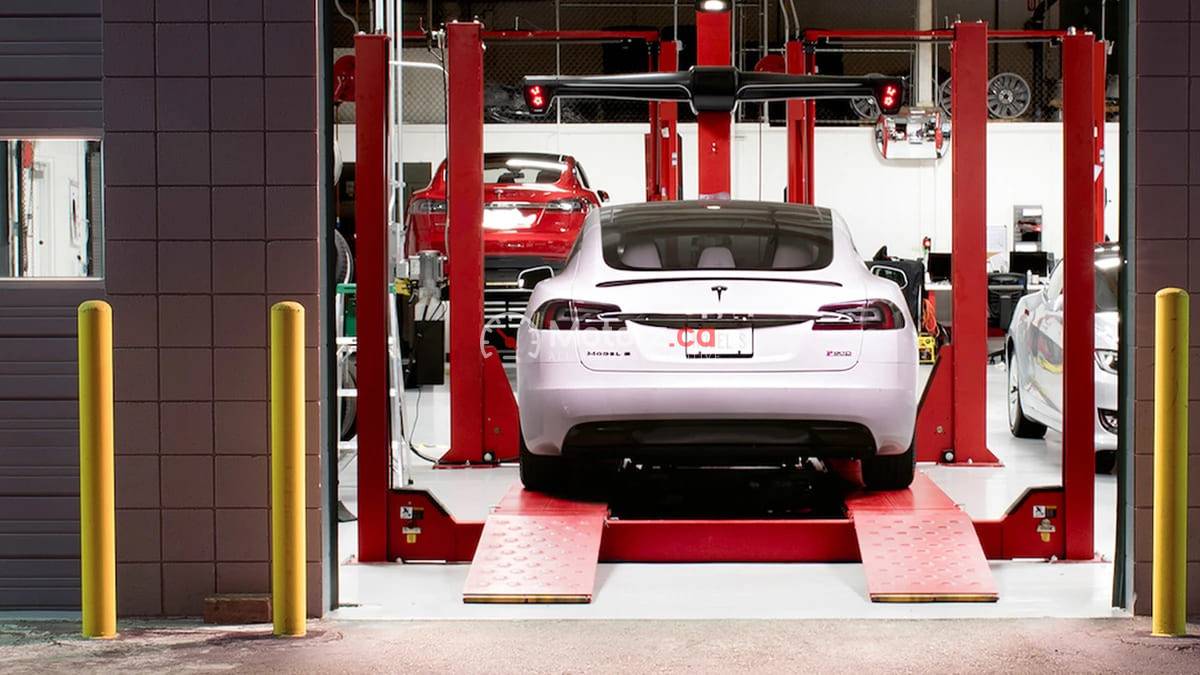
The sales pitch for electric vehicles (EVs) is incredibly enticing: say goodbye to gas stations, oil changes, spark plugs, and timing belts. For many new owners, the transition to electric power feels like a total liberation from the traditional “Corner Wrench” lifestyle. It is easy to fall into the trap of believing that because an EV has fewer moving parts, it is essentially a maintenance-free appliance—like a giant smartphone on wheels.
However, as we navigate the roads of 2026, many early adopters are discovering a surprising reality: while EVs are indeed simpler than their internal combustion cousins, they are not invincible. Shifting from pistons to electrons changes what you maintain, but it doesn’t eliminate the need for care. From specialized tires and heavy-duty suspension components to thermal management systems, your electric car still requires a proactive maintenance schedule to ensure its longevity and resale value.
In this comprehensive guide, we are debunking the “zero maintenance” myth. We will explore the critical areas where EVs need attention, why their unique weight and torque change the game, and how you can stay ahead of the curve to keep your electric ride running at peak efficiency.
The Heavy Truth: Electric Vehicle, Suspension, and Alignment
The most significant physical difference between an electric vehicles and a gas car isn’t the motor—it’s the weight. The massive lithium-ion battery packs that provide your 500-kilometer range can weigh between 500 and 900 kilograms. This added mass, combined with the instant torque of an electric motor, puts immense stress on everything that touches the pavement.
Accelerated Tire Wear
If you drive an EV the same way you drove your old sedan, you might be shocked to find your tread disappearing twice as fast. Electric motors deliver 100 percent of their torque instantly, which can cause micro-slippage every time you pull away from a green light.
The Solution: Always opt for EV-specific tires. These are engineered with specialized rubber compounds and reinforced sidewalls to handle the extra weight and reduce rolling resistance.
Rotation is Key: Because of the weight distribution and torque delivery, regular tire rotations (every 8,000 to 10,000 kilometers) are even more critical for an EV than for a gas car.
Suspension and Bushings
The sheer gravity of a heavy EV means that shocks, struts, and rubber bushings work harder on every pothole and speed bump. In 2026, we are seeing more “Corner Wrench” reports of premature suspension wear in heavy electric SUVs. Keeping an eye on your ride height and listening for “clunks” over bumps can save you from a massive repair bill later.
Braking Systems: The Regenerative Paradox
One of the coolest features of an EV is Regenerative Braking, where the motor acts as a generator to slow the car down and put energy back into the battery. This means you rarely have to use your physical brake pads, but this creates a new problem: neglect.
Corrosion and Seizing
In many climates, especially in the Canadian “Salt Belt,” brake components that aren’t used regularly tend to rust. In a gas car, the heat from frequent braking burns off moisture and grinds away surface rust. In an EV, your brake calipers might sit idle for weeks.
The Fix: Most EV manufacturers recommend a “Brake Service” annually or every 20,000 kilometers. This involves taking the brakes apart, cleaning the sliders, and lubricating the calipers to ensure they don’t seize up when you actually need them in an emergency.
Brake Fluid Longevity
Just like any other car, EVs use hydraulic brake fluid. This fluid is hygroscopic, meaning it absorbs moisture from the air over time. Moisture in the lines can lead to internal corrosion or even brake failure under heavy load. Even if you never touch the pedal, the fluid should be tested and flushed every two to three years.
Thermal Management: The Cooling System You Didn’t Know You Had
Your EV doesn’t have a radiator for an engine, but it has a very complex cooling system for its “brain” and its “heart”—the inverter and the battery pack.
Battery Coolant Flushes
Lithium-ion batteries are like humans: they hate being too hot or too cold. To keep the battery in its “happy zone” (usually between 15 and 35 Celsius), most EVs use a liquid cooling loop. Over time, this specialized coolant can break down or become acidic. Some manufacturers, like Tesla, have moved to “sealed” systems, while others, like Hyundai and Ford, require coolant flushes at specific intervals (often every 5 years or 150,000 kilometers).
Keeping the Vents Clear
Your EV has radiators and fans tucked behind the front bumper to dissipate heat from the battery and the AC system. Because there is no loud engine noise, you might not notice if a plastic bag or a thick layer of leaves has blocked these intakes. Regularly checking that your cooling vents are clear is a vital “Corner Wrench” habit for EV owners.
Cabin Air Quality and Gearbox Fluids
While there is no engine oil, your EV still uses lubricants in its reduction gearbox (the simplified transmission).
The Reduction Gear Oil
Most EVs use a single-speed transmission to get power from the motor to the wheels. This gearbox contains high-grade synthetic oil. While some brands claim this is a “lifetime” fluid, many enthusiasts and mechanics recommend changing it every 100,000 kilometers to remove the tiny metal shavings that naturally occur during the “break-in” period of the gears.
Cabin Air Filters: The Lung of the Car
EVs often feature advanced cabin filtration systems (like Tesla’s HEPA “Bioweapon Defense Mode”) to protect passengers from road dust and pollutants. Because you aren’t visiting a shop for oil changes, it is easy to forget about these filters. A clogged cabin filter won’t just make the car smell musty; it will force your AC system to work harder, which actually drains your battery and reduces your driving range.
Software Updates and Battery Health Checks
In 2026, maintenance is as much about code as it is about wrenches.
Over-the-Air (OTA) Updates: Always ensure your vehicle is connected to Wi-Fi to receive the latest software patches. These updates often include optimizations for battery management that can actually increase your range or charging speed.
12V Battery Replacement: Most EVs still have a traditional 12V lead-acid or lithium accessory battery to power the lights, screens, and door locks. When this small battery dies, the whole car becomes a “brick,” even if the main high-voltage battery is full. These typically need replacement every 3 to 4 years.
Maintenance is the Key to EV Longevity
Electric vehicles are undeniably a leap forward in automotive simplicity, but “simpler” does not mean “maintenance-free.” By staying on top of your tire rotations, servicing your rarely-used brakes, and keeping an eye on your thermal cooling systems, you protect the massive investment you’ve made in electric technology.
The “Corner Wrench” philosophy applies to electrons just as much as it does to oil: a little bit of proactive care today prevents a very expensive tow truck ride tomorrow.