

The moment you drive a new car off the lot, you aren’t just buying a vehicle; you are buying a promise. That promise is the car warranty, a legally binding agreement that the manufacturer will stand behind their engineering. But as many drivers discover too late, a warranty isn’t a “get out of jail free” card for every mechanical hiccup.
In 2026, car warranties have become more complex. With the surge of electric vehicles (EVs) and advanced software-driven features, knowing what is covered—and how to navigate the claims process—is the difference between a free repair and a 4,000-unit bill. This guide breaks down the “fine print” and reveals the best strategies to ensure your warranty claims are approved every time.
The Anatomy of a Car Warranties: What’s Actually Covered?
A “warranty” is rarely just one single policy. It is usually a collection of several different protections that expire at different intervals.
Bumper-to-Bumper Warranty
Often called the “comprehensive” warranty, this covers almost everything between the bumpers—infotainment screens, power windows, air conditioning, and electrical sensors. In 2026, most manufacturers offer this for 3 years or 60,000 kilometers, though brands like Kia and Hyundai often push this to 5 years.
Powertrain Warranty
This is the “heavy lifter” of warranties. It covers the most expensive parts of the car: the engine, transmission, and drivetrain. Because these parts are designed to last longer than a touchscreen, powertrain coverage typically lasts 5 to 10 years or 100,000 kilometers.
EV and Hybrid Battery Warranty
If you drive an electric vehicle, your most important coverage is the Battery and Drive Unit Warranty. By law in many regions, including Canada and the US, EV batteries must be warranted for at least 8 years or 160,000 kilometers. For 2026, many brands now guarantee that the battery will retain at least 70% to 80% of its original capacity during this period.
Corrosion (Perforation) Warranty
This covers rust, but there is a catch: it usually only kicks in if the metal has “perforated”—meaning a hole has rusted completely through the body panel. Surface rust or “bubbling” paint is rarely covered.
Manufacturer Warranty vs. Extended Service Contracts
One of the most common points of confusion is the difference between the warranty that comes with the car and the “extended warranty” sold in the finance office.
Manufacturer Warranty: Included in the purchase price. It is a guarantee of quality from the factory.
Extended Warranty (Service Contract): An optional, paid insurance policy that kicks in after the manufacturer warranty expires.
Expert Tip: In 2026, many third-party extended warranties allow you to choose your own licensed mechanic, whereas manufacturer warranties usually require you to use an authorized dealership. Always check if the contract is transferable, as this significantly boosts your car’s resale value.
How to Get Warranty Repairs Done Successfully
Filing a claim can feel like a battle, but it doesn’t have to be. Follow these steps to maximize your chances of a “zero-cost” repair.
Document Everything from Day One
The number one reason warranty claims are denied is “lack of maintenance.” If your engine fails and you cannot prove you changed the oil every 10,000 kilometers, the manufacturer can claim owner negligence.
Keep a Digital Folder: Photograph every receipt for oil changes, tire rotations, and inspections.
Independent Shops are Okay: Under the law (such as the Magnuson-Moss Warranty Act in the US or similar consumer protections in Canada), you do not have to go to the dealer for routine maintenance to keep your warranty valid. You just need the receipts to prove it was done.
Identify the Problem Early
Don’t wait. A small transmission shudder at 59,000 km is a free fix; that same shudder at 61,000 km is out of your pocket. As soon as you notice a defect, book an “Inspection for Warranty Consideration” at your dealer.
Communicate Effectively with the Service Advisor
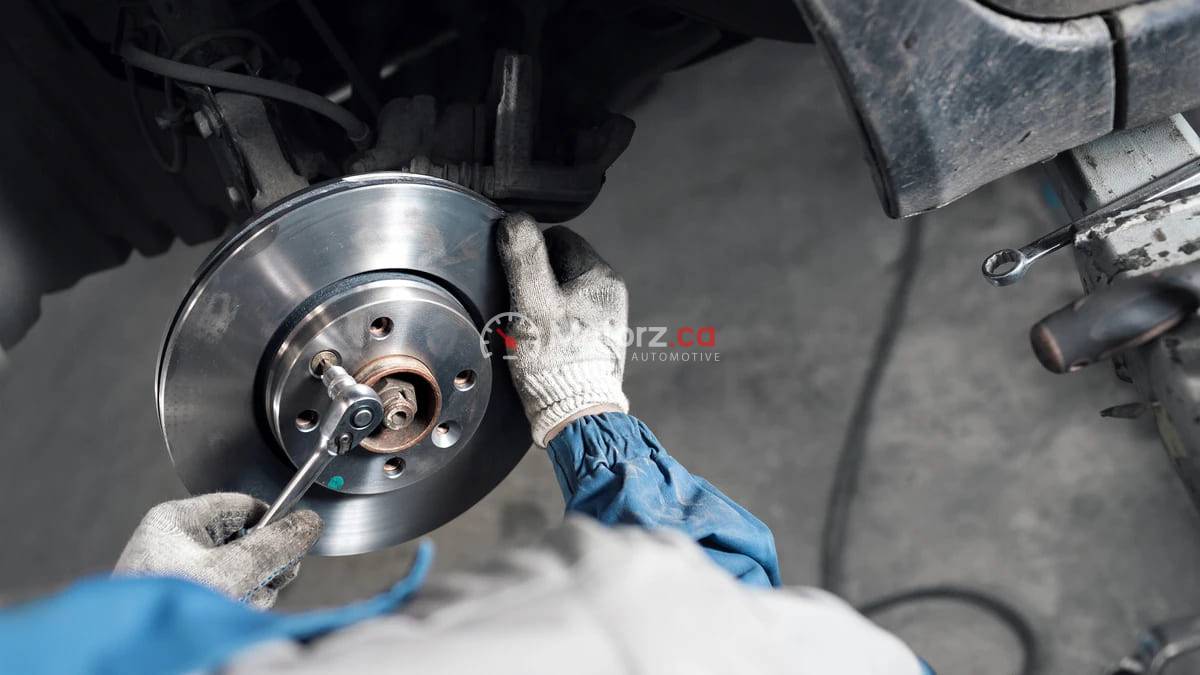
When you drop off the car, be specific. Instead of saying “the car makes a noise,” say “there is a high-pitched squeal from the front left wheel when braking at low speeds.” Ask the advisor to write your specific description on the Repair Order (RO). This creates a paper trail if the problem persists.
Why Claims Get Rejected
If the dealership denies your claim, don’t take “no” for an answer immediately. Understanding the common “void” triggers can help you appeal.
Common Warranty Killers:
Aftermarket Modifications: Adding a “lift kit” to your truck or “tuning” your engine software can void parts of your warranty if those mods caused the failure. However, a manufacturer cannot void your entire warranty just because you have aftermarket wheels.
Abuse or Misuse: Taking a non-off-road SUV onto a rock-crawling trail or overloading a truck beyond its towing capacity will result in a denied claim.
Environmental Damage: Tree sap, bird droppings, and hail damage are insurance claims, not warranty claims.
What to do if Denied:
Ask for it in writing: Ask the dealer to provide the specific section of the warranty manual that justifies the denial.
Contact the Manufacturer: Every car brand has a “Customer Relations” or “Regional Case Manager” line. Escalate the issue.
Seek a Second Opinion: You can take your car to a different authorized dealership. One service manager might be more “customer-friendly” than another.
The Best Way to Get it Done
The secret to a “painless” warranty experience in 2026 is transparency and timing. By keeping meticulous records and addressing issues the moment they arise, you turn the warranty from a confusing document into a powerful financial tool.
Remember, the dealership is the middleman; they want to get paid by the manufacturer for the repair. If you provide them with the documentation they need to get that payment approved, they will be your greatest ally in keeping your car on the road for free.