

It’s a Defeating the Modern Car Thief. You walk out to your driveway, coffee in hand, ready for the commute—only to find an empty rectangle of oil-stained concrete where your car should be. In 2026, this nightmare is becoming increasingly high-tech. While overall vehicle theft rates have finally begun to dip from their pandemic-era peaks, the methods used by criminals are more sophisticated than ever.
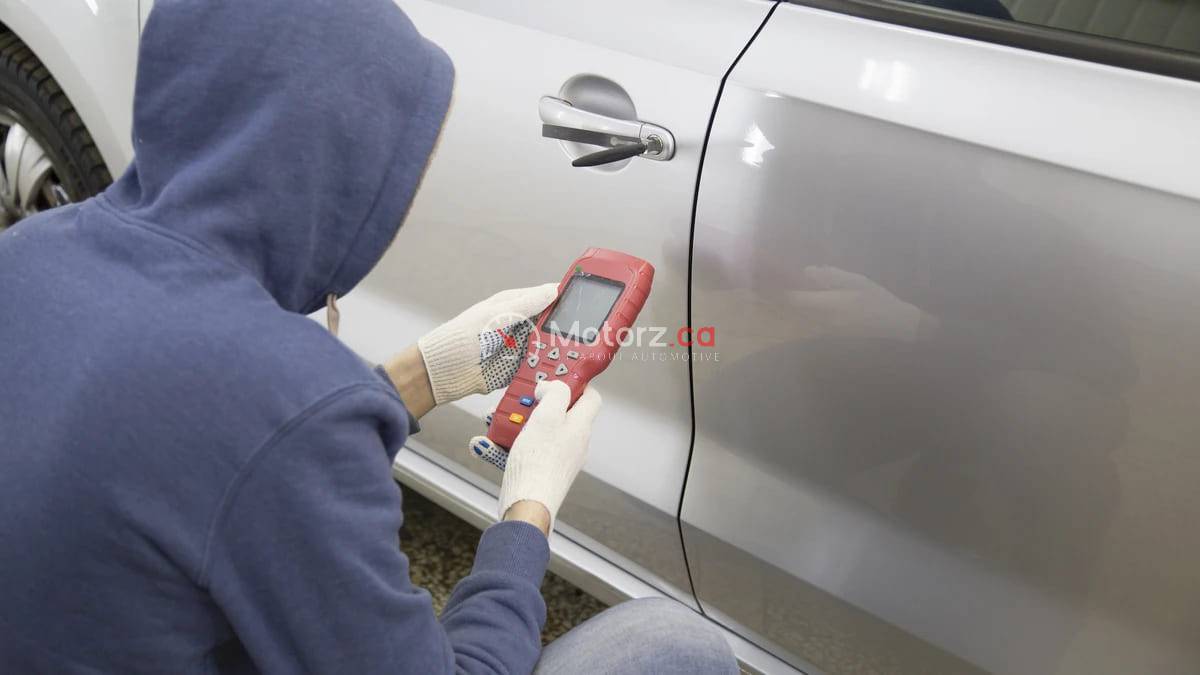
Gone are the days when a coat hanger and a screwdriver were the tools of the trade. Today’s thieves use signal amplifiers, laptops, and “relay” devices to vanish with your vehicle in under 60 seconds—often without breaking a single window.
Is your car a sitting duck, or can you actually stop a determined professional? The answer is a resounding yes, but it requires a shift from “locking the doors” to a multi-layered security strategy. This troubleshooter guide breaks down exactly how to shield your car from the high-tech and low-tech threats of 2026.
The High-Tech Threat: Understanding “Relay Attacks”
If you have a car with keyless entry and a push-to-start button, you are susceptible to the Relay Attack. This is the most common method for stealing modern EVs and luxury SUVs.
How It Works
Thieves work in pairs. One stands near your front door with an amplifier to “grab” the low-frequency signal your key fob is constantly emitting from inside your house. They relay that signal to an accomplice standing next to your car. The car thinks the key is right there, unlocks the door, and allows the engine to start.
The 2026 Solution: Defeating the Modern Car Thief
Faraday Pouches/Boxes: These are small bags lined with metallic fabric that block all electromagnetic signals. In 2026, these are mandatory for every keyless car owner. Dropping your keys into a Faraday box the moment you walk through the door “silences” your fob.
Key Fob “Sleep” Mode: Check your manual. Many 2025 and 2026 models now come with fobs that have motion sensors. If the key hasn’t moved for three minutes, it stops transmitting a signal automatically.
Layers of Defense: The “Onion” Strategy
The goal of car security isn’t necessarily to make your car “unstealable”—it’s to make it so difficult and time-consuming that the thief moves on to an easier target.
The Visual Deterrent (Low-Tech)
Thieves hate attention. A visible security device tells a thief that your car will take five minutes to steal instead of one.
Steering Wheel Locks: They’re back! Old-school bars like The Club or Stoplock Pro are making a massive comeback. A thief might be a genius with a laptop, but they often don’t carry a heavy-duty hacksaw.
Window Etching: Having your VIN (Vehicle Identification Number) etched into the glass makes the car much harder to “flip” or sell for parts, as a thief would have to replace all the windows to hide its identity.
The Mechanical Deterrent (Medium-Tech)
The Hidden Kill Switch: A 20-unit toggle switch hidden under the dash or seat can disconnect the fuel pump or the starter. Even if a thief hacks your computer and “starts” the car, it won’t actually run.
OBD-II Port Locks: Thieves often plug a device into your car’s diagnostic port to program a new key. A physical lock over this port is a simple, effective roadblock.
The Digital Guard: Tracking and Telematics
If the worst happens and your car is taken, 2026 technology gives you a much better chance of recovery—if you’ve prepared in advance.
Active GPS Tracking
Don’t rely solely on factory systems like OnStar, which professional thieves know how to disable in seconds.
Aftermarket Trackers: Devices like Vyncs or Bouncie plug into your car and send real-time location data to your phone.
Geofencing: You can set a “digital fence” around your home. If your car moves outside that circle between 11 PM and 6 AM, your phone will scream an alert instantly.
Biometric “PIN to Drive”
Following the lead of Tesla, many manufacturers now offer a PIN to Drive feature. Even with the key in the car, the touchscreen requires a 4-digit code before the gear shifter will engage. This is arguably the single most effective software defense available today.
Why Certain Models Are Targeted (The 2026 List)
In 2026, thieves are targeted for two reasons: ease of theft or high part value.
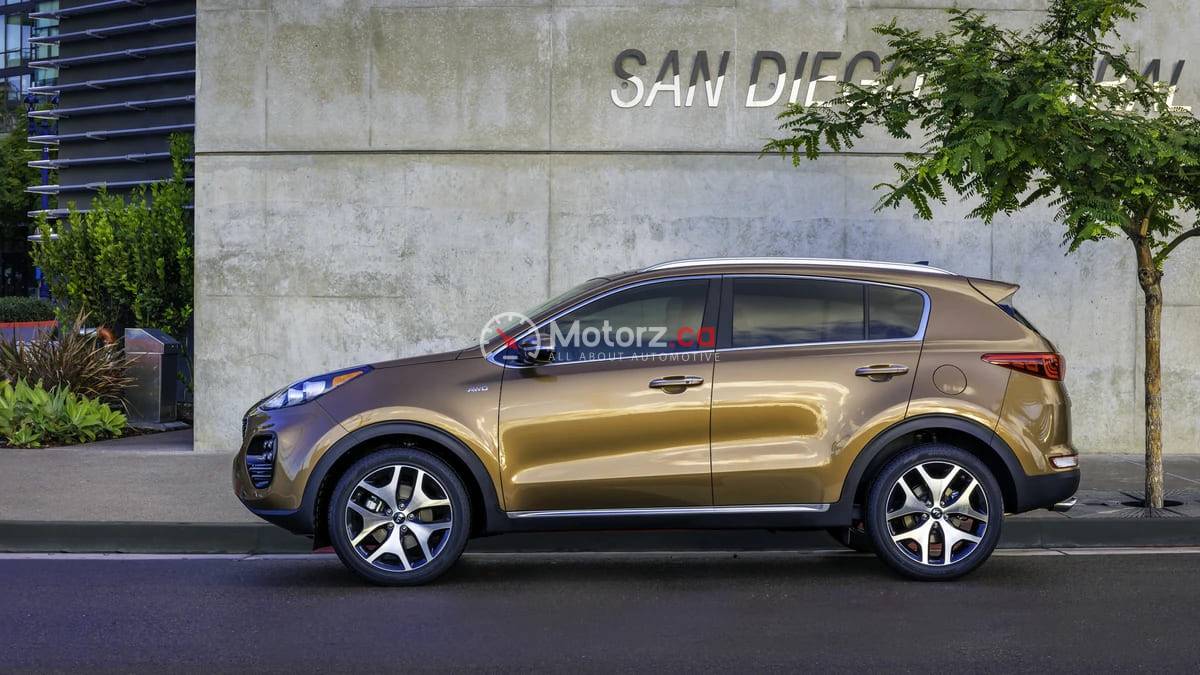
The “TikTok” Vulnerability: While Hyundai and Kia have released major software patches, older models without engine immobilizers remain high-risk. If you own a pre-2022 model, ensure you’ve received the free manufacturer security upgrade.
EV Batteries: High-end electric vehicles are being targeted for their battery components and rare earth metals.
The “Reliable” Classics: The Honda Accord and Ford F-150 remain top-stolen vehicles simply because their parts are in high demand across the globe.
Awareness is the Best Alarm
You can’t control the criminals in your city, but you can control how “tasty” your car looks to them. By combining a physical deterrent (the steering wheel lock) with a digital one (the Faraday pouch) and a recovery tool (GPS tracking), you create a fortress that most thieves simply won’t bother to attack.
In 2026, car security is about staying one step ahead of the code-grabbers. Take ten minutes tonight to move your keys away from the front door and check if your vehicle’s software is up to date. Those ten minutes could be the difference between a normal morning and a call to your insurance company.