


The automotive Hydrogen Fuel Cells is in the midst of a revolutionary shift towards sustainable transportation. As global concerns about climate change and air quality intensify, traditional gasoline-powered vehicles are steadily being phased out in favor of zero-emission alternatives.
At the forefront of this transformation are two primary contenders: battery-electric vehicles (BEVs) and hydrogen fuel cell electric vehicles (FCEVs). While BEVs have gained significant traction, FCEVs, championed by models like the Toyota Mirai, present a compelling, albeit less understood, alternative. This blog post will delve deep into the ongoing debate, comparing these two technologies across various crucial aspects and exploring whether the Toyota Mirai truly represents a significant part of our future on the road.
Understanding the Core Technologies
To truly appreciate the strengths and weaknesses of BEVs and FCEVs, it’s essential to understand how each technology operates at its fundamental level.
Battery-Electric Vehicles
BEVs are perhaps the most recognized form of electric vehicle. Their operation is relatively straightforward:
Energy Storage: Large lithium-ion battery packs store electrical energy. The size and density of these battery packs directly influence the vehicle’s range.
Propulsion: An electric motor (or multiple motors) converts the stored electrical energy into mechanical energy, driving the wheels.
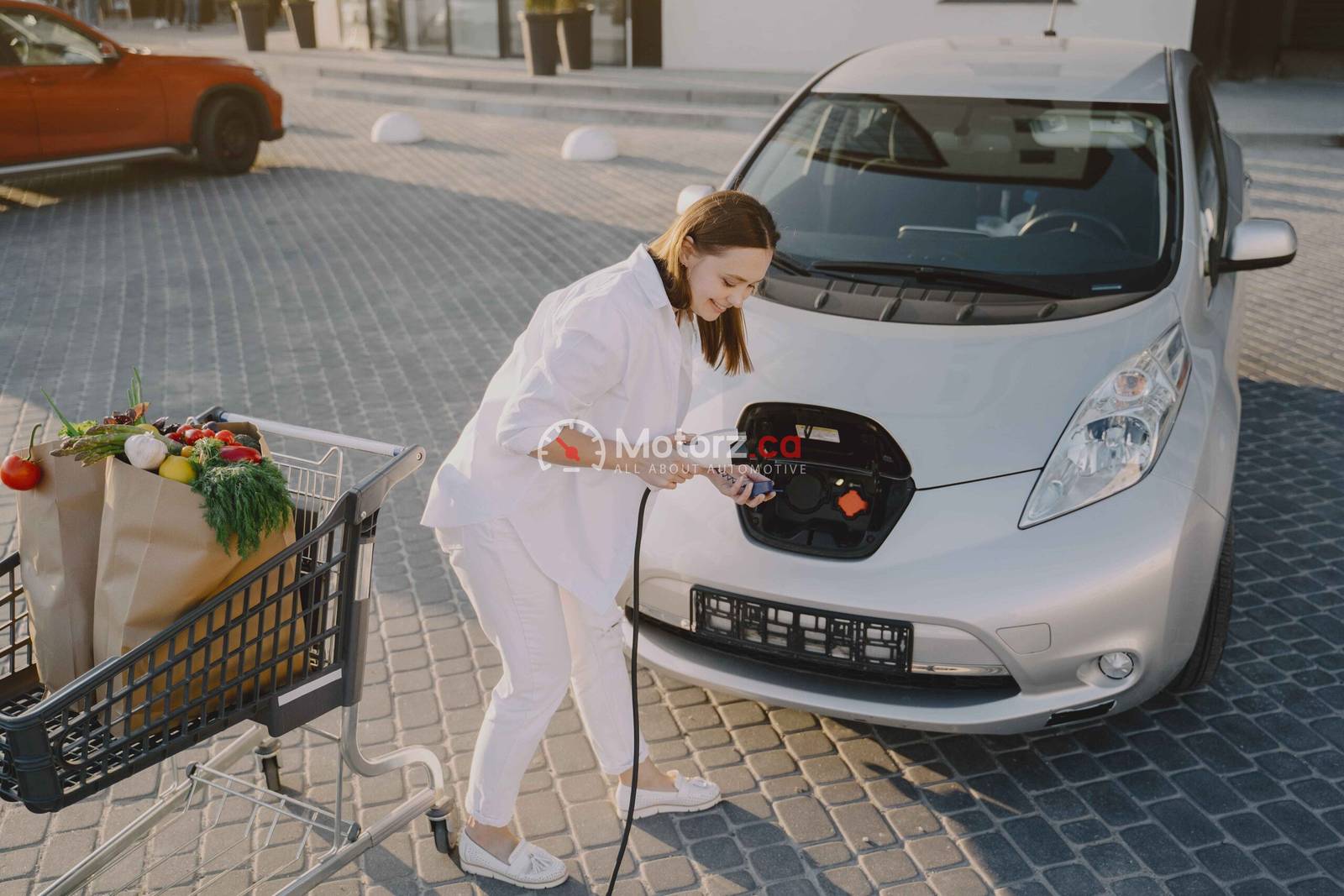
Charging: Batteries are recharged by plugging the vehicle into an external electricity source, either AC (alternating current) or DC (direct current) chargers. AC charging is slower, typically found at homes, while DC fast charging allows for quicker top-ups on the go.
Regenerative Braking: A key efficiency feature where the electric motor acts as a generator during deceleration, converting kinetic energy back into electrical energy to partially recharge the battery.
The simplicity of their energy flow and the increasing availability of charging infrastructure have made BEVs a popular choice for many consumers.
Hydrogen Fuel Cell Electric Vehicles (FCEVs)
FCEVs, like the Toyota Mirai, operate differently, though they are also ultimately driven by an electric motor. The key distinction lies in how they generate electricity:
Fuel Cell Stack: This is the heart of an FCEV. Hydrogen gas (H2) from a high-pressure tank is fed into the fuel cell, where it reacts with oxygen (O2) from the air. This electrochemical reaction generates electricity, water (H2O), and heat – with water being the only emission.
Hydrogen Storage: Hydrogen is stored in robust, high-pressure tanks, typically at 700 bar. These tanks are rigorously tested for safety.
Buffer Battery: FCEVs usually include a small buffer battery. This battery stores electricity from the fuel cell during low demand or regenerative braking and provides a burst of power for acceleration when needed, optimizing the fuel cell’s efficiency.
Electric Motor: Similar to BEVs, an electric motor drives the wheels, powered by electricity from the fuel cell and/or the buffer battery.
Refueling: FCEVs are refueled with hydrogen gas at specialized hydrogen fueling stations. This process is remarkably similar to filling a gasoline car and takes just a few minutes.
The appeal of FCEVs stems from their quick refueling times and zero tailpipe emissions, mirroring the convenience of gasoline cars without the pollution.
Performance and Driving Experience
Both BEVs and FCEVs offer a distinct driving experience compared to internal combustion engine (ICE) vehicles, characterized by quiet operation and instant torque.
BEV Performance
Instant Torque: Electric motors deliver maximum torque from a standstill, resulting in brisk acceleration. This is a common highlight for many BEV drivers.
Quiet Operation: Without an engine, BEVs are incredibly quiet, contributing to a smooth and refined driving experience.
Range Anxiety: While improving, range anxiety remains a concern for some, especially on longer journeys or in areas with limited charging infrastructure. Modern BEVs offer ranges exceeding 300 miles, but factors like temperature and driving style can affect this.
FCEV Performance
rates very quietly, primarily due to the electric motor and the silent electrochemical reaction in the fuel cell.
Responsive Acceleration: The electric motor provides immediate and smooth acceleration, similar to BEVs. The Mirai offers a refined and comfortable ride, prioritizing efficiency and quietness over raw performance.
Consistent Power Delivery: The fuel cell continuously generates electricity, ensuring consistent power output without the power fluctuations sometimes associated with battery discharge at lower states of charge.
No Range Anxiety (due to refueling): One of the Mirai’s strongest selling points is its quick refueling time – typically 3 to 5 minutes – which is comparable to gasoline cars. This significantly alleviates range anxiety, as drivers don’t need to factor in long charging stops. The Mirai boasts an impressive range, often exceeding 400 miles on a single fill.
Infrastructure: The Chicken and Egg Dilemma
The success of any new automotive technology hinges significantly on the availability of robust infrastructure. Both BEVs and FCEVs face unique challenges in this regard.
BEV Charging Infrastructure
Widespread but Varied: Charging infrastructure for BEVs is far more prevalent than for FCEVs. You can charge at home (Level 1 and Level 2 AC), at workplaces, public charging stations (Level 2 AC), and increasingly at DC fast charging stations along major routes.
Charging Time: While Level 1 and 2 charging is slow, suitable for overnight or workday charging, DC fast charging can replenish a significant portion of a battery in 20-40 minutes, depending on the charger and vehicle. However, it’s still considerably longer than a gasoline fill-up.
Grid Impact: A rapid increase in BEV adoption requires significant upgrades to electrical grids to handle the increased demand, particularly during peak hours.
FCEV Hydrogen Fueling Infrastructure
Sparse but Growing: This is arguably the biggest hurdle for FCEVs like the Toyota Mirai. Hydrogen fueling stations are currently very limited, primarily concentrated in specific regions (e.g., California in the US, parts of Germany and Japan).
Quick Refueling: The major advantage is the speed of refueling. A Mirai can be filled up in minutes, which is a significant convenience factor.
Cost and Complexity: Building hydrogen fueling stations is more complex and expensive than installing EV chargers. It requires specialized equipment for hydrogen production, compression, storage, and dispensing.
Supply Chain: Developing a robust and green hydrogen supply chain (production, transport, and storage) is a massive undertaking that is still in its early stages globally.
For the Toyota Mirai to truly succeed, a massive expansion of hydrogen fueling infrastructure is paramount. Without it, the convenience of quick refueling is negated by the difficulty of finding a station.
Environmental Impact: A Matter of Production
Both BEVs and FCEVs are heralded as zero-emission vehicles at the tailpipe. However, their true environmental footprint depends heavily on how the electricity (for BEVs) or hydrogen (for FCEVs) is produced.
BEV Environmental Footprint
Grid Dependent: The environmental impact of a BEV is directly tied to the electricity grid’s energy mix. If electricity is generated primarily from renewable sources (solar, wind), the BEV is very green. If it comes from coal-fired power plants, the emissions are merely shifted from the tailpipe to the power plant.
Battery Manufacturing: The mining of raw materials (lithium, cobalt, nickel) and the manufacturing process for large battery packs have a significant environmental cost, including carbon emissions and resource depletion. Recycling programs are crucial for mitigating this.
FCEV Environmental Footprint
Hydrogen Production: This is the critical factor.
Gray Hydrogen: Produced from natural gas via steam methane reforming (SMR). This process releases CO2, meaning “gray hydrogen” is not truly clean. Currently, the vast majority of hydrogen produced globally is gray.
Blue Hydrogen: SMR with carbon capture and storage (CCS) technology. This reduces CO2 emissions but doesn’t eliminate them entirely.
Green Hydrogen: Produced through electrolysis, powered by renewable electricity (solar, wind). This method is truly zero-emission and is the ultimate goal for FCEVs.
No Battery Degradation: FCEVs typically use smaller buffer batteries, reducing the environmental impact associated with large battery production and disposal.
Water Emissions: The only tailpipe emission is pure water, which is benign.
The Toyota Mirai’s environmental promise is entirely dependent on the widespread availability of green hydrogen. Until then, its overall carbon footprint might be comparable to or even worse than some BEVs, depending on the hydrogen source. This is a significant challenge for the FCEV ecosystem.
Economic Considerations: Cost and Ownership
The purchase price and ongoing ownership costs are crucial factors for consumers when considering new vehicle technologies.
BEV Economic Factors
Purchase Price: Historically higher than comparable ICE vehicles, but prices are steadily coming down, and many governments offer incentives (tax credits, rebates).
Fuel Costs: Electricity is generally cheaper per mile than gasoline, especially when charging at home during off-peak hours.
Maintenance: Fewer moving parts mean lower maintenance costs compared to ICE vehicles.
Battery Replacement: While rare, the long-term cost of battery replacement is a concern for some, though battery warranties are typically very long.
FCEV Economic Factors
Purchase Price: The Toyota Mirai often has a higher upfront cost than many popular BEVs, although government incentives can help offset this.
Hydrogen Cost: The price of hydrogen at the pump can vary. Historically, it has been subsidized or offered with generous fuel cards for early adopters to encourage adoption. As infrastructure expands and production scales, the cost is expected to stabilize and potentially decrease.
Maintenance: Like BEVs, FCEVs have fewer moving parts than ICE cars, suggesting lower maintenance. The fuel cell stack itself is a complex component, but its longevity is designed to match the vehicle’s lifespan.
Residual Value: As a newer and less common technology, the long-term residual value of FCEVs like the Mirai is less established compared to BEVs or ICE vehicles.
Fueling Incentives: Toyota has often provided free hydrogen fuel for a certain period or mileage with the purchase or lease of a Mirai, an attractive incentive for early adopters.
The economic viability of the Mirai and other FCEVs largely depends on government support, infrastructure investment, and the scaling of green hydrogen production to bring down overall costs.
Safety and Reliability
Safety is paramount in automotive design, and both technologies undergo rigorous testing.
BEV Safety
Battery Fires: While extremely rare, high-profile battery fires have raised concerns. Manufacturers employ sophisticated battery management systems and crash structures to minimize risks.
High Voltage: BEVs operate with high-voltage electrical systems, requiring specific safety protocols during maintenance and in accident scenarios.
FCEV Safety
Hydrogen Storage: High-pressure hydrogen tanks are a primary focus of safety concerns. However, these tanks are incredibly robust, designed to withstand extreme impacts and even gunfire without rupturing. They are layered with carbon fiber composites and incorporate safety valves.
Hydrogen Leaks: Hydrogen is highly flammable and odorless. Vehicles like the Mirai are equipped with multiple sensors to detect even minute leaks, and hydrogen disperses very quickly into the atmosphere due to its lightness, reducing accumulation risk.
Crash Tests: The Toyota Mirai has undergone extensive crash testing and achieved excellent safety ratings, demonstrating its structural integrity and the protection of its hydrogen tanks in accident situations.
Both technologies have robust safety records, with ongoing advancements continually enhancing their inherent safety features.
The Toyota Mirai: A Pioneer’s Perspective
The Toyota Mirai stands as a testament to Toyota’s long-term commitment to hydrogen technology. Launched in 2014, and updated with a sleeker, more conventional sedan design in its second generation, the Mirai is more than just a car; it’s a statement of belief in hydrogen’s potential.
Mirai’s Strengths
Exceptional Range: The Mirai offers one of the longest ranges among zero-emission vehicles, making it ideal for longer commutes or road trips.
Rapid Refueling: Its 3-5 minute refueling time is a game-changer for drivers accustomed to gasoline vehicles and a significant advantage over BEVs for certain use cases.
Smooth and Quiet Ride: Delivers a premium driving experience, emphasizing comfort and refinement.
Zero Tailpipe Emissions: When fueled by green hydrogen, the Mirai is a truly clean vehicle.
Mirai’s Challenges
Infrastructure Limitations: The lack of widespread hydrogen fueling stations remains its Achilles’ heel, severely limiting its market reach.
Hydrogen Production: The dependence on “green” hydrogen for true environmental benefits means the Mirai’s impact is currently tied to broader energy production trends.
Perception and Awareness: FCEVs are less understood by the general public compared to BEVs, requiring greater education and marketing efforts.
Cost: Despite incentives, the initial purchase price can be a barrier for some consumers.
The Mirai is a technically impressive vehicle, showcasing what FCEV technology is capable of. Its success, however, is intrinsically linked to the development of the entire hydrogen ecosystem.
Niche or Mainstream: What Does the Future Hold?
The debate between hydrogen fuel cells and battery-electric vehicles is not necessarily about one triumphing over the other entirely. Many experts believe there’s a place for both, serving different needs and use cases.
BEV’s Current Dominance
BEVs are currently leading the charge in passenger vehicles due to:
Established, albeit still developing, charging infrastructure.
Lower perceived complexity for consumers.
Falling battery costs and improving range.
Strong government and manufacturer investment.
FCEV’s Potential Niche
FCEVs, with their quick refueling and long range, might find their sweet spot in:
Heavy-Duty Transportation: Trucks, buses, and trains, where battery weight and charging times become prohibitive.
Fleet Vehicles: Taxis, ride-sharing, and delivery fleets that require continuous operation and quick turnaround.
Long-Haul Passenger Vehicles: For consumers who frequently travel long distances and cannot afford extended charging stops.
Industrial Applications: Forklifts, port equipment, and other machinery that benefit from continuous power and quick refueling.