


It starts as a minor Electrical Glitch. Your interior dome light flickers once or twice on a bumpy road. Maybe the radio resets itself for no apparent reason, or your power windows seem a bit more sluggish than they were last summer. Most drivers tend to shrug these things off with a “it’s just an old car” mentality. After all, if the car starts and stops, how much could a little flicker really matter?
In the world of modern automotive repair, that “little flicker” is often the first symptom of a much larger, more expensive problem. Today’s vehicles are essentially rolling computers connected by miles of copper wiring and dozens of sensitive microprocessors. An electrical glitch is rarely an isolated incident; it is a warning sign from your car’s central nervous system.
In this Troubleshooter guide, we will answer the pressing question: Should you investigate that electrical glitch in your vehicle? The short answer is a resounding yes. We will explore why these “ghosts in the machine” appear, the dangers of leaving them unchecked, and how a quick investigation today can prevent a catastrophic failure tomorrow.
The Interconnected Nature of Modern Car Electronics
In older vehicles, electrical systems were relatively simple. The headlights had a switch, a wire, and a bulb. If the light went out, you replaced the bulb. Today, that same headlight is likely controlled by a Body Control Module (BCM) that manages everything from your door locks to your windshield wipers.
The Multiplexing Effect
Modern cars use a system called CAN bus (Controller Area Network) to allow different parts of the car to talk to each other. Because everything is on the same “network,” a glitch in your power mirror could theoretically interfere with your transmission’s ability to shift gears. This interconnectedness means that an electrical problem in one area can “migrate” to critical safety systems.
Low Voltage, Big Problems
Sensitive electronics require a very specific voltage to operate correctly. If a wire is frayed or a ground connection is loose, the voltage might drop just enough to confuse the car’s computer. This leads to “phantom” error codes that could put your car into Limp Mode, where the engine’s power is severely restricted to prevent damage.
When a Glitch Becomes a Fire Hazard
While most electrical issues just lead to a dead battery or a broken radio, there is a darker side to ignoring these symptoms: the risk of an electrical fire.
Short Circuits and Heat
Electrical current flowing through a wire generates heat. If a wire’s insulation is damaged—whether by vibration, age, or a hungry rodent—the electricity can jump to a nearby metal surface. This is a short circuit. A short circuit generates extreme heat very quickly. If that heat is near flammable materials like carpet, plastic, or fuel vapors, a small glitch can turn into a total vehicle loss in minutes.
The “Burning Smell” Warning
If your electrical glitch is accompanied by a faint smell of burning plastic or ozone, stop driving immediately. This is a sign that wires are literally melting. This is not a problem that will fix itself, and it is the primary indicator that your “glitch” has become a safety emergency.
Common Electrical Symptoms You Should Never Ignore
Not all glitches are created equal. If you notice any of the following, your vehicle is asking for a diagnostic check-up.
Flickering Headlights or Dash Lights
If your lights dim when you hit the brakes or use the turn signal, your Alternator is likely struggling to keep up with the electrical demand. This is often a sign of a failing voltage regulator or a dying battery.
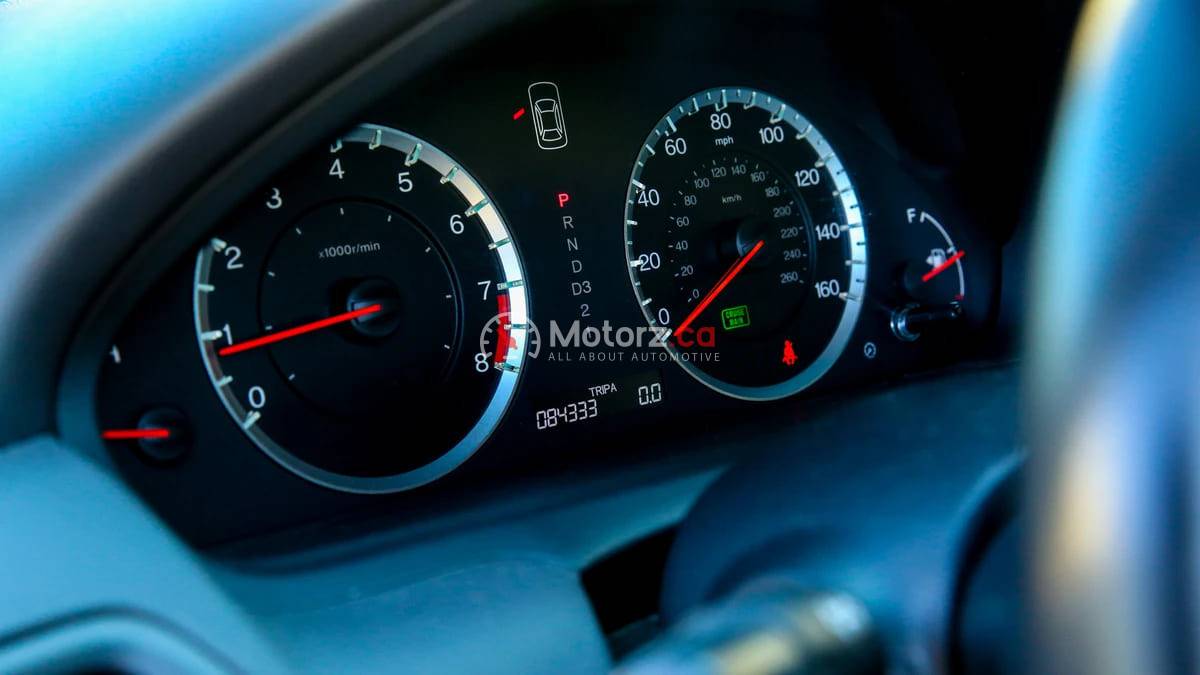
Random Warning Lights
If your ABS, Airbag, and Check Engine lights all flash on and off simultaneously, you likely have a “grounding” issue. Cars use the metal frame as a return path for electricity. If a ground bolt is rusted or loose, the electricity “backs up,” causing the computers to lose their minds.
Blown Fuses (The Repeat Offender)
Fuses are designed to be the “weak link” that breaks to protect expensive parts. If you replace a fuse and it blows again immediately, do not install a larger fuse. This is a classic sign of a short circuit. Forcing a higher current through that circuit is a guaranteed way to start a fire.
The Hidden Cost of Delay: Battery and Alternator Stress
When you ignore a small electrical draw or a “leaky” circuit, you aren’t just living with a quirk; you are wearing out your car’s charging system.
Parasitic Draw
A glitchy switch that doesn’t fully turn off can create a Parasitic Draw. This slowly drains your battery while the car is parked. Lead-acid batteries are not designed to be fully drained and recharged repeatedly. Every time your “glitch” kills your battery, you are shortening that battery’s life by months.
Alternator Overwork
Your alternator is designed to maintain a battery, not to constantly recharge a dead one while also fighting an electrical short. Ignoring a glitch forces the alternator to work at 100 percent capacity constantly, leading to a premature (and expensive) alternator failure.
DIY vs. Professional Investigation: What Can You Do?
Investigating an electrical issue doesn’t always require a master’s degree in engineering. You can perform a few basic checks yourself before heading to the shop.
The Visual Inspection
Check the Battery Terminals: Are they covered in white or green crusty powder? Corrosion increases resistance and causes glitches. Clean them with baking soda and water.
Look for “Critter” Signs: Check under the hood for acorns or chewed insulation. Rodents love the soy-based wiring used in many modern vehicles.
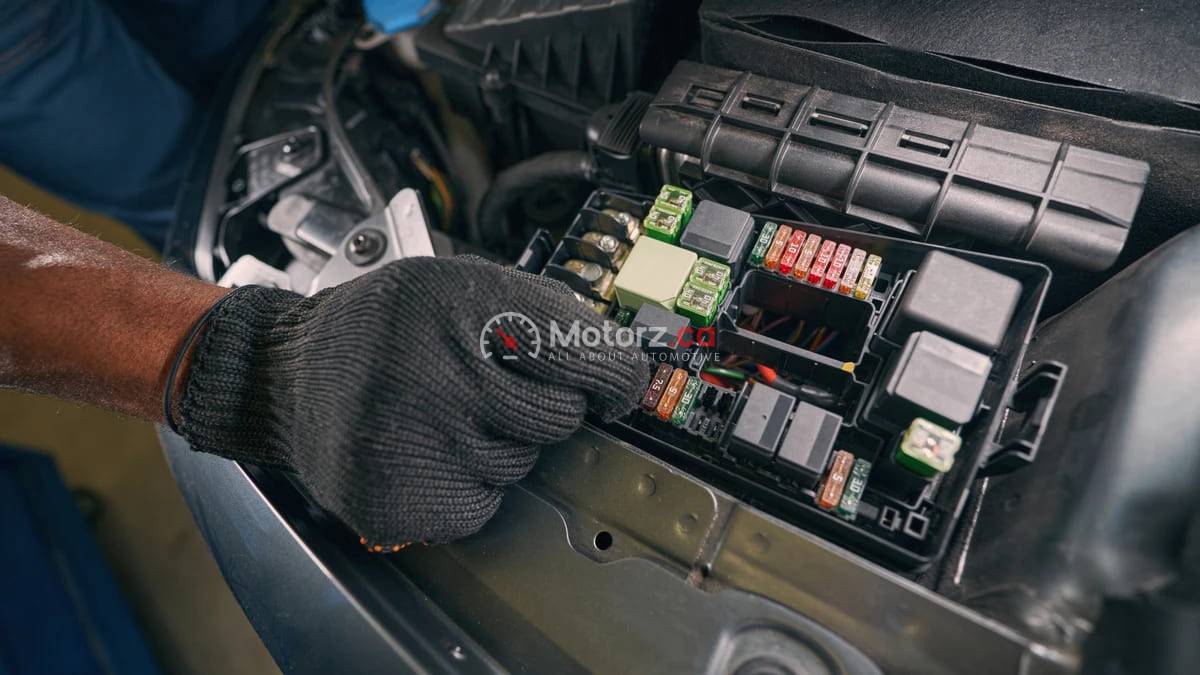
Inspect the Fuses: Use your owner’s manual to locate the fuse box and check for any discolored or broken fuses.
When to Call a Pro
If a visual inspection doesn’t reveal the culprit, you need a technician with a Digital Multimeter and a high-end scan tool. Electrical “troubleshooting” is a process of elimination. A pro can “isolate” different circuits to find exactly where the current is escaping without tearing your whole dashboard apart.
Prevention is Cheaper Than Repair
In the automotive world, electrical problems are like icebergs—the tiny bit you see on the surface is nothing compared to what is happening underneath. By choosing to investigate that electrical glitch early, you are protecting your car’s computers, extending the life of your battery, and ensuring the safety of your passengers.
Don’t wait for the day your car refuses to start in a cold parking lot, or worse, starts smoking on the highway. Treat every glitch as a conversation with your car. If you listen to the small whispers now, you won’t have to deal with the loud screams of a total mechanical breakdown later.