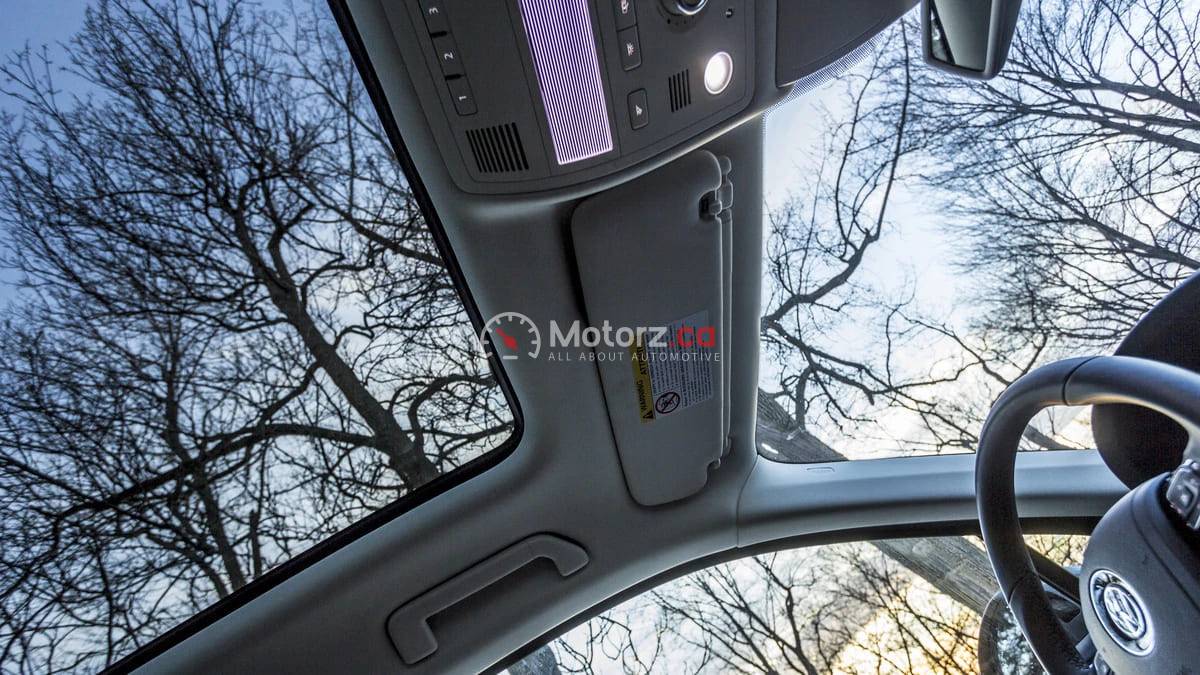
There is a Panoramic Sunroof Worth of magic that happens when you slide back a sunroof on a crisp autumn evening or a bright summer morning. The cabin suddenly feels twice as large, the air turns fresh, and for a moment, your daily commute feels more like a scenic tour. But as you stand in the dealership showroom or browse online listings, that luxury feature often comes with a hefty price increase.
In the world of “The Corner Wrench,” we look past the aesthetic appeal to see the mechanical reality. A sunroof isn’t just a window; it is a complex system involving electric motors, drainage tracks, seals, and heavy glass panels. In 2026, with panoramic roofs becoming the industry standard for SUVs and sedans, the “splurge” is bigger than ever.
At Motorz, we want you to love your vehicle, but we also want you to be prepared for the long-term ownership experience. Today, we are weighing the pros and cons of the sunroof splurge. From resale value and Vitamin D to the dreaded “drip” on your shoulder during a rainstorm, here is everything you need to know before you check that option box.
The Panoramic Sunroof Worth: Why Drivers Love Sunroofs
The popularity of sunroofs isn’t just a marketing gimmick; they offer genuine benefits to the driving experience that a solid steel roof simply cannot match.
Psychology and the “Open Air” Feel
The primary benefit of a sunroof is the sense of space. Modern car designs often feature high beltlines and thick pillars for safety, which can make a cabin feel “claustrophobic.” A glass roof floods the interior with natural light, making even a compact car feel like a luxury lounge. For many drivers, this reduction in “cabin fever” is worth the entry price alone.
Natural Ventilation without the Noise
If you roll down a side window at 100 km/h, the “buffeting” air pressure can be deafening. A sunroof, when tilted, provides a gentle vent that pulls hot air out of the cabin using the Venturi effect. This allows for fresh air circulation with significantly less wind noise than traditional windows, which is ideal for those who prefer natural air over constant Air Conditioning.
The Hidden Costs: Weight, Heat, and Efficiency
While the views are great, there are physical laws at play that can affect your vehicle’s performance and your monthly fuel or charging bill.
Center of Gravity and Handling
A panoramic glass roof can add anywhere from 50 to 100 kilograms to the very top of your vehicle. In the world of physics, putting weight at the highest point of a car is a recipe for body roll. Lorraine Explains that for performance-oriented drivers, a sunroof can slightly dull the “sharpness” of a car’s handling compared to a lighter, solid-roof version.
The “Greenhouse” Effect
Glass is an excellent heat trap. Even with modern UV coatings, a car with a panoramic sunroof will heat up much faster when parked in the sun. In 2026, this is a major consideration for Electric Vehicle (EV) owners. The more heat that enters the cabin, the harder your HVAC system has to work to cool it down, which can directly reduce your driving range.
Headroom Constraints
To accommodate the glass panel when it slides back, the interior headliner must be lowered. If you are a taller driver or frequently carry tall passengers, you may find that a sunroof “steals” about two inches of precious headroom. Always sit in the specific model you intend to buy to ensure you aren’t brushing against the ceiling.
The “Corner Wrench” Maintenance Reality
A sunroof is a hole in your roof that nature is constantly trying to reclaim. To keep it functional, you have to be proactive.
The Drainage System
Every sunroof has a “wet zone”—a track that catches water and funnels it down through plastic tubes in your car’s pillars to the ground. Over time, these tubes can become clogged with pine needles, dust, or road grime.
The Result: When the drains clog, the water has nowhere to go but into your headliner, onto your electronics, or down into the footwells. Keeping these drains clear with a bit of compressed air or a flexible wire is a vital “Corner Wrench” maintenance task.
Seal Degradation
Rubber seals are exposed to extreme temperature swings and UV radiation. Eventually, they can dry out and shrink. While a small whistle of wind noise is annoying, a failed seal can lead to a “whistling” cabin at highway speeds or, worse, a slow leak that leads to mold in your upholstery.
Resale Value: Is It a Good Investment?
If you plan to sell your car in three to five years, a sunroof is often considered a “must-have” feature in the used car market.
Market Demand
In many luxury and mid-size segments, used car buyers expect a sunroof. A car without one can be harder to sell or may require a significant price drop to attract a buyer. While you might not get back 100 percent of what you spent on the option, you will likely see a faster sale and a better “trade-in” valuation at the dealership.
The “Old Car” Exception
Once a car passes the ten-year mark, a sunroof can shift from an asset to a liability. Savvy used car buyers may avoid older vehicles with complex glass roofs because of the potential for expensive motor failures or persistent leaks. At this stage, a solid roof is often preferred for its simplicity and reliability.
Should You Make the Splurge?
Deciding on a sunroof comes down to your personal priorities and how long you plan to keep the vehicle.
The Sunroof Splurge is a Good Idea if:
You live in a climate with many overcast days and want more natural light.
You prioritize a luxury “airy” feel in the cabin.
You plan to trade the car in within 5 years (maximizing resale appeal).
You are diligent about basic maintenance like clearing drainage tracks.