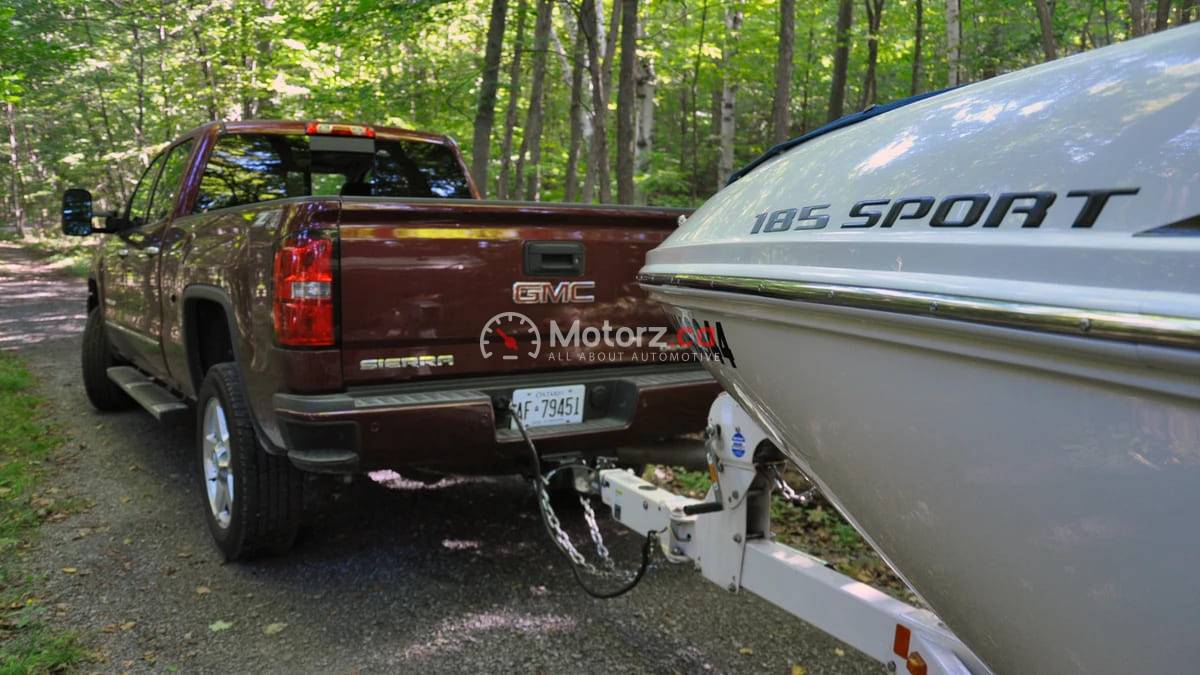
The sun is Pre-Trip Checklist, the provincial parks are opening their gates, and the open road is calling. For many of us, summer isn’t official until the trailer is hitched up and the gear is loaded. Whether you are pulling a lightweight teardrop camper, a massive fifth-wheel, or a utility trailer for a weekend at the lake, that trailer is an extension of your vehicle. However, after sitting idle through a long, damp Canadian winter, a trailer can develop “hidden” issues that a quick visual inspection might miss.
In the world of “The Corner Wrench,” we see more trailer-related breakdowns in July than at any other time of the year. We see dry-rotted tires, seized bearings, and wiring harnesses chewed through by winter rodents. A trailer failure at 100 km/h on a busy highway isn’t just a vacation spoiler—it is a major safety hazard.
At Motorz, we want your summer memories to be about the destination, not the roadside service call. Today, Lorraine Explains the essential maintenance steps you must take to ensure your trailer is as ready for the road as you are. From the hitch to the tailpipe, let’s get your rig in peak towing condition.
Tires and Wheels: The Foundation of Towing Safety
A trailer tire leads a hard life. It spends most of its time sitting under thousands of pounds of pressure in one spot, only to be suddenly asked to spin at high speeds in scorching summer heat.
The “Five-Year” Rule
Unlike car tires, trailer tires often “age out” long before the tread wears down. The rubber compounds in trailer tires (marked “ST” for Special Trailer) contain UV inhibitors that are only released when the tire is moving. If a trailer sits for six months, the rubber can become brittle.
The Check: Look at the four-digit date code on the Canadian winter. If your tires are more than five years old, they are a “have-not” for safety. Replace them before they suffer a high-speed blowout.
Pressure and Dry Rot
Check the sidewalls for “spiderweb” cracking, which is a sign of dry rot. Always check your tire pressure when the tires are cold. A trailer tire under-inflated by even 10 percent can generate enough internal heat to cause a tread separation.
The Pre-Trip Checklist Bearing Inspection
If you have ever seen a trailer on the side of the road with a wheel missing, you have seen the result of bearing failure. Wheel bearings allow your wheels to spin freely with minimal friction; when the grease inside breaks down or gets contaminated by water, the friction generates enough heat to melt the metal axle.
The “Shake and Spin” Test
Jack up one side of the trailer (ensure it is safely supported by jack stands).
The Shake: Grab the tire at the 12 and 6 o’clock positions and try to wiggle it. If there is significant movement, the bearings are loose and need adjustment.
The Spin: Spin the tire. It should be nearly silent. If you hear a “growling” or “grinding” noise, the bearings are pitted and need immediate replacement.
Repacking the Grease
If your trailer has been sitting through a wet spring, moisture may have entered the hub. In 2026, most modern trailers feature “EZ-Lube” hubs that allow you to pump in fresh grease with a grease gun. However, “The Corner Wrench” recommends a full manual repack every two years to inspect the physical condition of the rollers and the spindle.
Lighting and Electrical: Making the Connection
Your trailer’s lights are your only way of communicating with the drivers behind you. A flickering blinker or a dead brake light can lead to a rear-end collision.
The Ground Connection
Nine times out of ten, a trailer lighting issue is caused by a bad “ground.” Over the winter, the metal-to-metal connection between the trailer plug and the truck can corrode.
The Fix: Use a bit of fine-grit sandpaper to clean the pins inside the plug and apply a generous amount of dielectric grease. This “Corner Wrench” hack prevents moisture from reaching the metal and ensures a strong electrical signal.
Tech: Smart Trailer Modules
Many modern trucks now have “Smart Trailer” modules that will tell you on the dashboard if a bulb is out. However, these systems can be sensitive. If you have upgraded your trailer to LED lights, you may need a “load resistor” to prevent the truck from thinking the bulb is burnt out because of the lower power draw.
The Hitch and Coupler: The Critical Link
The coupler is the only thing holding your trailer to your vehicle. It deserves more than a passing glance.
Lubrication and Latch Adjustment
The ball-and-coupler connection is a metal-on-metal friction point. Apply a small amount of multipurpose grease to the hitch ball before every trip. This prevents the “grinding” noise and reduces wear on the coupler.
Adjustment: Most couplers have a nut underneath that adjusts how tightly the latch grips the ball. If the latch closes too easily, the trailer could “pop off” over a large bump. It should require a firm press to lock.
Safety Chains and Breakaway Switches
Ensure your safety chains are not dragging on the pavement (which thins the metal) but have enough slack to allow for sharp turns. Most importantly, check your Breakaway Switch. Pull the plastic pin and ensure the trailer brakes lock up immediately. This is your last line of defense if the hitch fails.
Your Pre-Trip Trailer Checklist
Don’t wait until the morning of your trip to find a problem. Use this checklist a week before you plan to leave:
Tire Date Codes: Replace any tires older than 5 years.
Bearing Noise: Spin the wheels and listen for grinding.
Plug Maintenance: Clean the 7-pin or 4-pin plug and use dielectric grease.
Brake Check: Test the electronic brake controller and the breakaway switch.
Lug Nut Torque: Use your torque wrench to ensure the wheel nuts are tightened to spec.
At Motorz, we believe that towing should be a stress-free experience. By spending an afternoon with your “Corner Wrench” and this guide, you can hit the highway with the confidence that your rig is safe, legal, and ready for adventure.