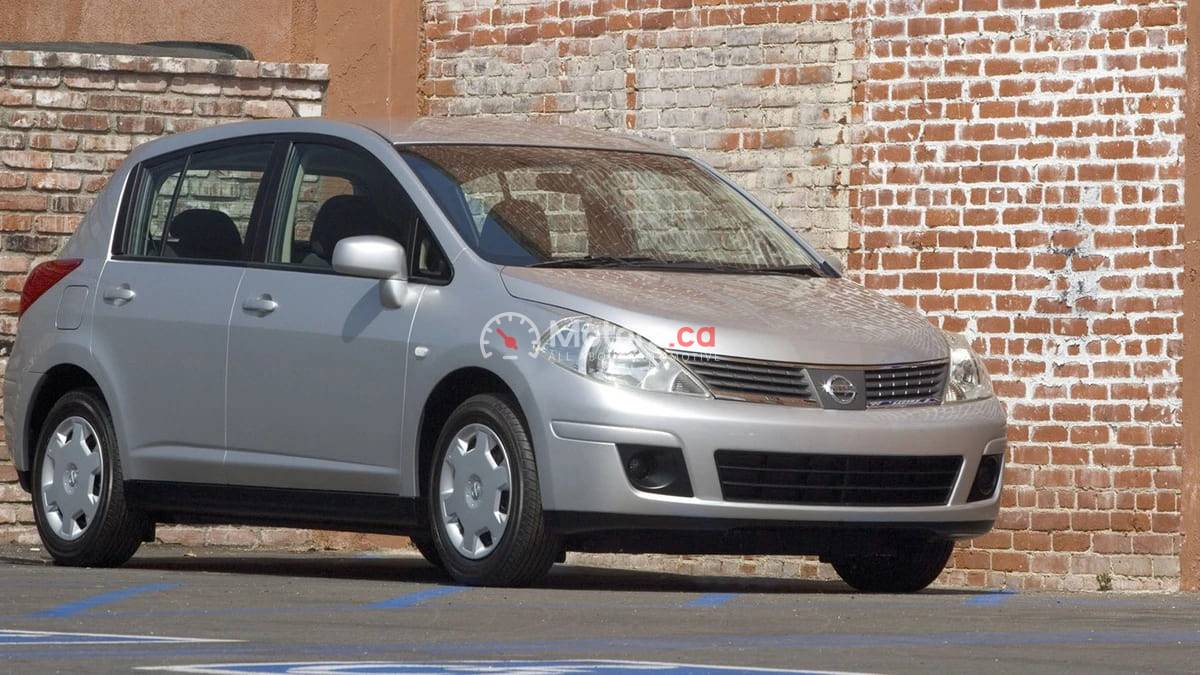
The Takata Nissan Loaner Car recall remains the largest and most complex safety recall in automotive history, and as we move through 2026, the urgency has only increased. For owners of certain older Nissan and Infiniti models, the situation has shifted from a standard “repair alert” to a critical “Do Not Drive” warning. This isn’t just about a faulty part; it’s about an inflator that can rupture during a crash, sending metal fragments into the cabin like shrapnel.
In the world of “The Corner Wrench,” we prioritize driver safety above all else. Nissan has recognized the severity of this risk by expanding its support programs, offering free towing, mobile repairs, and—most importantly for your daily commute—free loaner cars in select locations. If your vehicle is on the “Do Not Drive” list, you shouldn’t have to choose between your safety and your mobility.
Today, Motorz is breaking down exactly how the Nissan loaner car program works, which models are affected by the most recent 2026 warnings, and the steps you need to take to stay safe while getting your vehicle fixed for free.
The Nissan Loaner Car Warning: Is Your Nissan Affected?
While millions of vehicles have been repaired, a significant number of “Alpha” and high-risk inflators are still on the road. Because these parts degrade over time—especially in humid or high-temperature climates—the risk of a dangerous rupture is at its highest point ever.
Critical Models Under Warning
As of early 2026, Nissan and Infiniti have issued an immediate Do Not Drive warning for approximately 84,000 vehicles in the United States and Canada. The specific models at the highest risk include:
Nissan Sentra
Nissan Pathfinder
Infiniti QX4
If you own one of these specific model years, Nissan strongly advises that you stop driving the vehicle immediately. The risk is so high that even a minor “fender bender” could trigger a lethal airbag deployment.
Other Recalled Nissan Models
Even if your car isn’t under the “Do Not Drive” mandate, you may still have an open Takata recall. Other affected models include the and Versa. While these may not require immediate grounding, they still need a free repair as soon as possible.
Understanding Nissan’s Loaner Car and Alternative Transportation Policy
Nissan has authorized its dealer network to provide “alternate transportation” to minimize the inconvenience of these safety repairs. Here is how the program typically works in 2026.
When Can You Get a Loaner?
The availability of a loaner car usually depends on two factors: the severity of the recall and the time required for the repair.
For “Do Not Drive” Vehicles: Because you are instructed not to drive the car to the dealership, Nissan often provides a loaner or rental vehicle while they arrange for towing and parts installation.
Extended Repair Times: If the dealership expects the repair to take more than 24 hours (due to parts backlogs or high volume), they are authorized to offer a loaner or hire car at no cost to the owner.
Alternative Options: Mobile Repair and Valet
In select markets, Nissan has introduced Mobile Repair Units. A technician can actually come to your home or workplace to replace the airbag inflator in your driveway. This is the ultimate “take care of you” tool, as it eliminates the need for a loaner car or a trip to the shop entirely. Additionally, “Valet Service” may be available, where the dealer picks up your car and leaves a loaner in its place.
Step-by-Step: How to Request Your Loaner Vehicle
If you discover your car is affected, don’t wait for a letter in the mail. Follow these steps to secure your safety and your temporary ride.
Step 1: Verify Your VIN
Locate your 17-character Vehicle Identification Number (VIN) on your dashboard or insurance card. Visit the or the to confirm you have an open Takata recall.
Step 2: Contact Nissan Consumer Affairs
Before calling a local dealer, it is often helpful to call Nissan Consumer Affairs. They can document your case and provide you with a reference number that makes requesting a loaner car from a local dealership much smoother.
Step 3: Schedule with a Participating Dealer
Contact your nearest authorized Nissan dealer. Explicitly state: “My vehicle is under the Takata Do Not Drive warning, and I require a free tow and a loaner vehicle as per Nissan’s safety outreach program.” While dealers aren’t legally required by some local laws to provide loaners, Nissan’s corporate policy encourages it for these high-risk cases.
The “Corner Wrench” Advice: Why You Shouldn’t Wait
At “The Corner Wrench,” we often hear drivers say, “I’ve been driving it for 20 years and the airbag hasn’t blown up yet.” This is a dangerous mindset to have in 2026.
The “Age” Factor
The chemical propellant in Takata airbags (ammonium nitrate) becomes unstable over time. A car that was “safe” five years ago is significantly more dangerous today because the chemicals have had five more years to degrade. Lorraine Explains that the older the car, the higher the “explosive” force of the failure.
Free Means Free
There is absolutely zero cost to the consumer for these repairs. Nissan covers the parts, the labor, the towing, and in many cases, the temporary transportation. There is no financial reason to delay a repair that could save your life or the life of your passenger.
Stay Mobile and Stay Safe
Nissan’s commitment to providing loaner cars and towing for Takata-affected owners is a vital part of their 2026 safety strategy. If you own an older Sentra, Pathfinder, or QX4, the message is clear: Stop driving and start calling.
Check your VIN immediately on the official Nissan recall website.
Stop driving if your vehicle is part of the “Do Not Drive” 2026 update.
Request a free tow and loaner car from your local Nissan dealer.
Consider mobile repair if it is offered in your area for maximum convenience.
At Motorz, we believe that being an empowered owner means knowing your rights during a recall. Nissan is offering the tools to keep you on the road safely—make sure you use them.