
When we talk about the future of electric vehicles (EVs), the conversation usually centers on range, charging speeds, or the minimalist aesthetic of the interior. However, beneath the sleek Swedish design of the Polestar 2 lies a sophisticated network of safety innovations that are quietly setting a new global benchmark.
In 2026, EV Safety is no longer just about surviving a crash; it is about the intelligent prevention of accidents and the protection of the vehicle’s most sensitive component: the battery. The Polestar 2 doesn’t just meet safety standards; it anticipates them. From its unique “SPOC block” to its advanced acoustic warning systems, this car is taking safety measures to a whole other level.
In this deep dive, we will explore the structural, digital, and sensory safety features that make the Polestar 2 one of the most secure vehicles on the road today.
Structural Mastery: The SPOC Block and FLLP
Electric vehicles present a unique engineering challenge. Without a massive internal combustion engine in the front to act as a crumple zone, engineers had to rethink how a car absorbs energy during a collision. Polestar’s answer is a combination of heavy-duty materials and ingenious geometry.
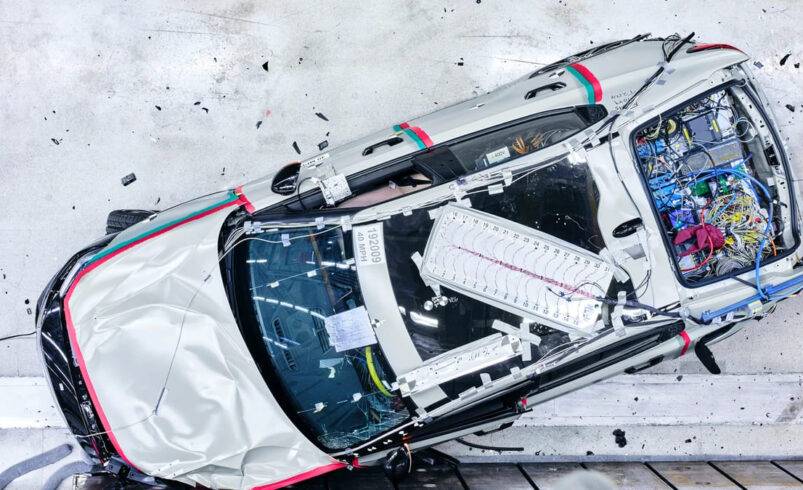
The Severe Partial Offset Crash (SPOC) Block
One of the most famous innovations in the Polestar 2 is the electric vehicles. This is a solid aluminum block housed on the bottom edge of the front firewall on both sides of the car.
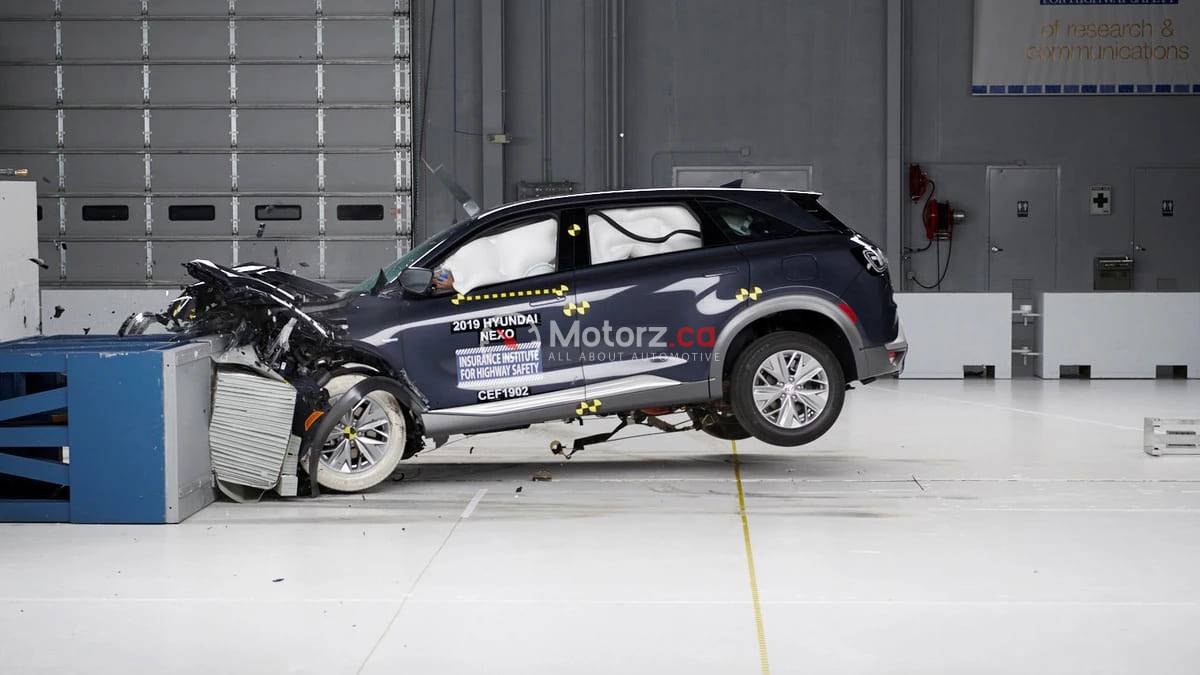
The Function: During a partially offset frontal collision (where only a portion of the front hits an object), the SPOC block is designed to deflect the front wheel and other heavy components away from the cabin.
The Benefit: By pushing the wheel outward, the system minimizes the risk of the tire or suspension hardware intruding into the passenger footwell or puncturing the battery pack.
Front Lower Load Path (FLLP)
Since there is no engine block to stop a pole or a narrow object from penetrating the front end, Polestar developed the Front Lower Load Path. This structural reinforcement is designed to catch and redistribute the force of a head-on impact, shielding both the occupants and the high-voltage battery from deformation.
Battery Safety: The Armored Core
In an EV, the battery is the heart of the machine. Protecting it from physical damage and thermal runaway is the primary focus of Polestar’s safety team.
The Aluminum “Safety Cage”
The 78 kWh (or 82 kWh in newer long-range models) battery pack is encased in a rigid aluminum frame. This isn’t just a box; it is fully integrated into the floor structure of the CMA platform.
Torsional Stiffness: This integration actually makes the car 35% stiffer than a traditional combustion vehicle, which improves both crash protection and handling.
Impact Isolation: In a side-impact collision, the reinforced sills of the Polestar 2 act as a shield, preventing the intrusion from reaching the battery cells.
Automatic High-Voltage Disconnect
The Polestar 2 is programmed to be proactive. In the event of a collision significant enough to deploy an airbag or trigger a seatbelt pretensioner, the car’s software instantly severs the high-voltage connection. This ensures that the vehicle’s exterior and circuitry are “cold” for first responders, drastically reducing the risk of electrical shock or fire.
Sensory Safety: The Acoustic Vehicle Alert System (AVAS)
One of the ironies of EV safety is that the cars are too quiet. At low speeds, pedestrians and cyclists often can’t hear an electric car approaching, which has led to a rise in low-speed urban accidents.
Engineering a “Natural” Sound
Instead of using a generic “spaceship” whir or a jarring beep, Polestar’s sound engineers developed a patented Acoustic Vehicle Alert System.
The Driving Sound: A subtle blend of noise components that resemble natural road noise and a muffled electric motor. It is recognizable to pedestrians but designed to be non-intrusive to those inside the cabin.
The Proximity Effect: The sound changes in frequency and volume based on the car’s speed, allowing people nearby to intuitively “locate” the car’s position and direction of travel without even looking.
Active Protection: The SmartZone and Pilot Assist
In 2026, the best crash is the one that never happens. The Polestar 2 replaces the traditional front grille with the SmartZone, a hub for the car’s most advanced “eyes” and “ears.”
The SmartZone Sensor Hub
By centralizing a high-definition camera and a powerful, heated radar unit in the front of the car, the Polestar 2 can “see” in conditions that would blind a human driver. This system powers:
Vulnerable Road User Detection: The car can identify and automatically brake for pedestrians and cyclists, even in low-light environments.
Oncoming Lane Mitigation: If the car detects you are drifting into the path of an oncoming vehicle between 60 km/h and 140 km/h, it will actively steer you back into your lane.
Pilot Assist and Unresponsive Driver Support
The Pilot Assist system provides steering, acceleration, and braking support. However, its most impressive safety feature is what happens when a driver stops responding. If the system detects irregular driving or a lack of steering input, it will issue a series of escalating warnings. If the driver still doesn’t respond, the car will automatically brake to a full stop, activate hazard lights, and contact emergency services.
The Internal Shield: Inner-Side Airbags
Most cars protect you from the outside in. Polestar protects you from the inside, too. The Polestar 2 was one of the first vehicles in its class to introduce front-inner-side airbags as standard equipment.
The Purpose: In a side-impact collision, occupants are often thrown toward the center of the car. These inner airbags deploy between the driver and the front passenger.
The Result: This prevents the occupants from colliding with each other during a crash, a common cause of head and shoulder injuries in multi-passenger accidents.
A New Standard for the Electric Age
The Polestar 2 represents a shift in automotive philosophy. It proves that electric performance doesn’t have to come at the expense of safety. By leveraging Volvo’s legendary safety DNA and combining it with “clean-sheet” EV engineering, Polestar has created a vehicle that is structurally tougher, digitally smarter, and sonically more responsible than its competitors.
Whether it is the SPOC block protecting the battery or the SmartZone scanning the road ahead, every inch of the Polestar 2 is designed with a singular goal: to ensure that the future of driving is as safe as it is sustainable.