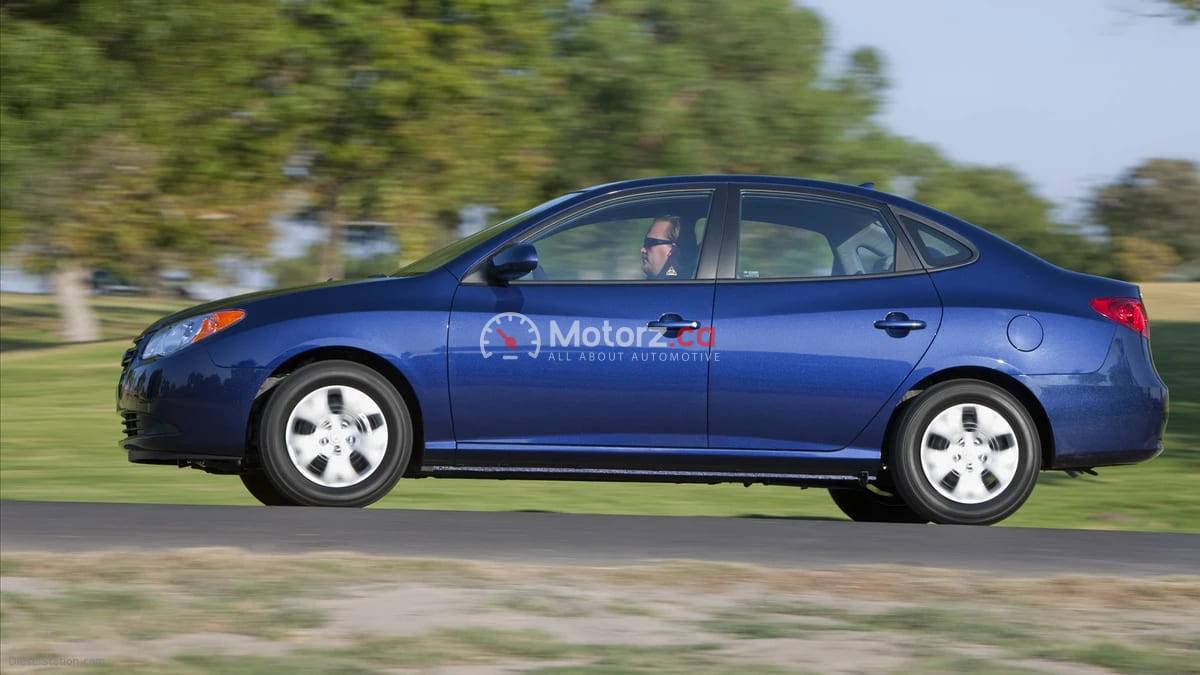
For many, the Hyundai Elantra Models has long been a symbol of reliable, affordable transportation. However, owners of older Elantra models are facing a serious safety concern that demands immediate attention. A series of high-priority recalls has flagged a critical fire risk involving the vehicle’s electrical system—specifically the Anti-Lock Brake System (ABS) module.
Unlike many automotive issues that only occur while you are driving, this specific defect poses a threat even when the car is parked and the engine is completely off. Safety regulators and the manufacturer have issued “park outside” warnings, urging owners not to keep their vehicles in garages or near structures until the repairs are completed.
In this comprehensive guide, we will break down the mechanics of the Elantra short circuit, identify exactly which model years are affected, and provide a clear roadmap for getting your vehicle fixed at no cost.
The Hyundai Elantra Models: The ABS Module Short Circuit
The primary culprit in this safety campaign is the Anti-Lock Brake System (ABS) control module. This is a computer located in the engine bay that monitors wheel speed and prevents your brakes from locking up during an emergency stop.
The “Always-On” Vulnerability
Most components in your car lose power when you turn the key to the “Off” position. However, the ABS module in many older Elantras is designed to remain energized (powered) at all times.
The Defect: Over time, the internal electronic circuit board of the ABS module can experience an electrical short. This is often caused by moisture or brake fluid entering the module through degraded seals.
The Consequence: Because the module is always connected to the battery, a short circuit can generate extreme heat. This leads to a smoldering fire that can quickly engulf the entire engine compartment.
Affected Model Years: Is Your Elantra on the List?
This isn’t a single recall but rather a collection of campaigns targeting specific “generations” of the Elantra. If you own a used Elantra, it is vital to check your specific year.
The Elantra and Elantra Touring
These models represent one of the largest batches of the “ABS fire” recalls. Thousands of these vehicles were found to have modules susceptible to moisture intrusion.
The “DS” Generation
The 2011 to 2015 model years have also been subject to massive recalls. In these vehicles, the risk often stems from a leaking O-ring within the brake system. If brake fluid leaks onto the internal electronics of the ABS module, it triggers the same short-circuit scenario.
The Elantra: A Different Fire Risk
While this guide focuses on the “short circuit” issue, owners of 2019 and 2020 Elantras should be aware of a separate engine fire recall. In those years, the issue was related to improperly heat-treated piston rings, which could cause oil leaks and engine failure, leading to a fire.
Warning Signs and Pre-Fire Symptoms
Because this short circuit can happen while the car is sitting in your driveway at 3:00 AM, you might not be present to see the smoke. However, there are often early warning signs:
ABS Warning Light: If your ABS or Brake light is illuminated on the dashboard, it means the computer has already detected a fault. Do not ignore this.
The Smell of Burning Plastic: A distinct, acrid smell of melting insulation or plastic near the front of the car is a major red flag.
Smoke from the Engine Bay: If you see wisps of smoke coming from under the hood while the car is parked, exit the area immediately and call emergency services.
Dead Battery: A short circuit creates a “parasitic draw” that can drain your battery overnight. If your car won’t start and the battery is relatively new, a shorted module could be the cause.
The Official Remedy: How Dealers Fix the Problem
Fortunately, the fix for the ABS module short circuit is relatively simple and does not involve replacing the entire expensive module in most cases.
The “Fuse and Relay” Fix
To prevent a fire, Hyundai dealers install a new fuse and relay in the vehicle’s main junction box.
How it works: This specialized fuse is designed to “blow” or cut power to the ABS module at a much lower threshold than the original.
The Result: If the module starts to overheat or short circuit, the fuse snaps instantly, cutting the electrical current and preventing a fire from ever starting.
Cost and Time
Zero Cost: Like all safety recalls, this repair is performed completely free of charge at any authorized Hyundai dealership.
Minimal Downtime: The installation usually takes less than an hour, though you should schedule an appointment in advance to ensure the dealer has the specific fuse kit in stock.
What Should You Do Right Now?
If you suspect your vehicle is affected, do not wait for the recall letter to arrive in the mail (especially since many older vehicles have changed hands several times).
Locate your VIN: Find your 17-digit Vehicle Identification Number on your dashboard or insurance card.
Use the Recall Lookup: Visit the NHTSA (National Highway Traffic Safety Administration) website or the Hyundai Recall Portal.
Park Outside: Until you have confirmed your car is safe or have completed the repair, do not park in a garage or under a carport. Keep the vehicle at least 50 feet away from any structure.
Check Your Fluids: Ensure your brake fluid levels are correct. If you see a leak near the master cylinder or ABS pump, have the car towed rather than driving it.
Proactive Ownership Saves Lives
The Hyundai Elantra remains a popular choice for budget-conscious drivers and students in 2026. However, the age of these vehicles makes them more vulnerable to seal degradation and electrical failures. By spending five minutes checking your VIN and taking advantage of the free fuse replacement, you are protecting not just your car, but your home and family.