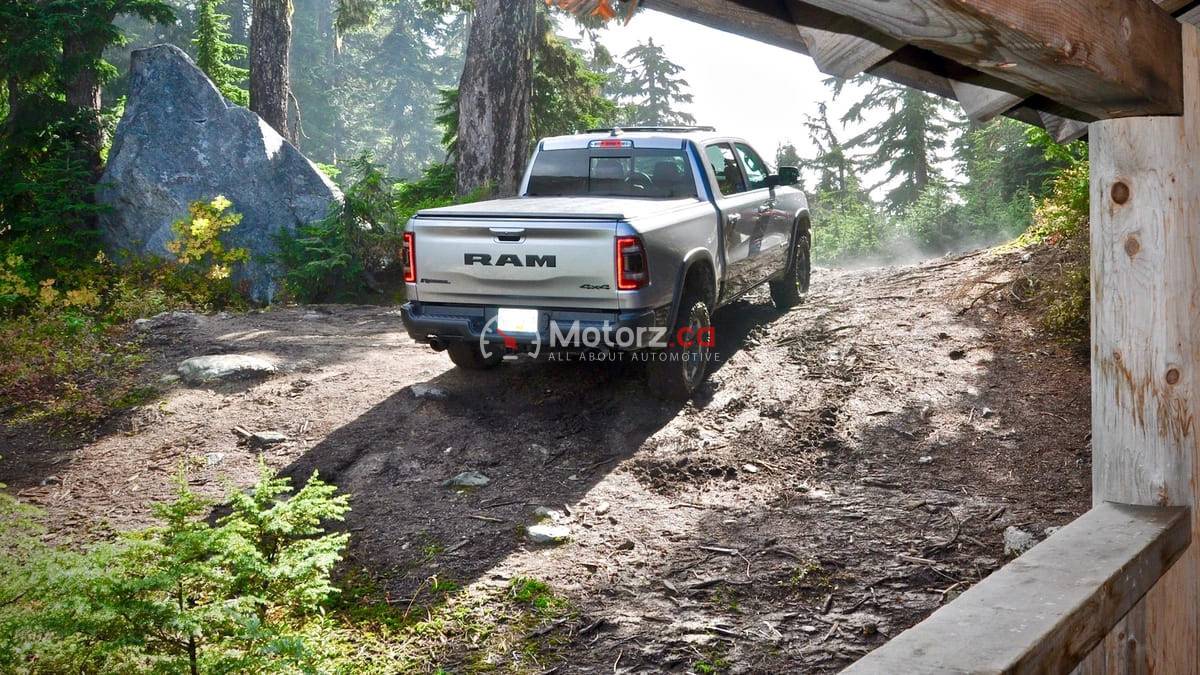
In the modern automotive landscape, few features are as Camera Recall relied upon as the rearview camera. Whether you are backing a Ram 1500 into a tight parking spot or navigating a crowded school zone in a Jeep Grand Cherokee, that digital feed is a vital safety net. However, for hundreds of thousands of Stellantis owners, that net has suddenly vanished.
In April 2026, a series of significant recalls has hit the Ram, Jeep, and Dodge lineups, all centered on a recurring and dangerous problem: a failing rearview camera display. From hardware defects in older models to software glitches in the latest 2025 and 2026 SUVs, the “blind backup” has become a serious concern for Canadian and American drivers alike.
This guide breaks down the specific models affected, the mechanical causes behind the blank screens, and the steps you need to take to ensure your vehicle remains compliant with federal safety standards.
The Scope of Camera Recall: Which Vehicles are Affected?
The current wave of recalls is actually a combination of several safety campaigns issued by Stellantis (the parent company of Chrysler, Dodge, Jeep, and Ram). While the issues vary slightly between models, the result is the same: a blank, black, or blue screen when you shift into reverse.
The 2024–2026 Jeep SUV Recall
The most recent surge in recall activity involves nearly 80,000 newer Jeep SUVs. Specifically, 2024 and 2025 models are being flagged for incorrectly programmed Rearview Camera Modules (RVCM).
Affected Models: Jeep Wagoneer, Grand Wagoneer, Grand Cherokee, and the three-row Grand Cherokee L.
The Issue: A software bug prevents the radio from displaying the camera image during a backing event, violating federal visibility regulations.
The Dodge Journey and Ram ProMaster “Thermal Fatigue” Defect
A separate but equally automotive landscape recall affects over 219,000 Dodge and Ram vehicles. Unlike the software issues in the newer Jeeps, this is a physical hardware failure.
Affected Models: 2019–2020 Dodge Journey and 2018–2021 Ram ProMaster.
The Cause: Microprocessors inside the camera units are suffering from “thermal fatigue.” Repeated temperature changes cause the solder to crack, leading to inverted or completely blank images.
The Million-Vehicle “Radio Software” Campaign
Beyond the specific hardware failures, Stellantis is managing a massive campaign for over 1 million vehicles (spanning 2021–2023 model years) where the Uconnect 5 radio software prevents the rearview image from loading. This covers everything from the Chrysler Pacifica to the heavy-duty Ram 3500.
Why “Back-Over” Prevention is a Critical Safety Issue
It might be tempting to view a camera glitch as a mere inconvenience, but federal regulators at the NHTSA and Transport Canada view it as a high-priority safety risk.
Federal Mandates
Since May 2018, rearview cameras have been a federally mandated safety feature for all new light vehicles. This is because “back-over” accidents—where a driver accidentally hits a pedestrian or object they cannot see—are leading causes of non-traffic fatalities, particularly involving children.
The 2-Second Rule
Federal safety standards (FMVSS 111) require the rearview image to appear within two seconds of shifting into reverse. In many of the recalled Ram and Jeep models, the screen either stays black indefinitely or takes over 10 seconds to load, making the vehicle non-compliant and dangerous to operate in busy areas.
How to Identify a Failing Camera System
Before your vehicle officially receives its recall notice in the mail, you may notice “early warning signs” that your camera module or radio software is beginning to fail.
The “Blue Screen of Death”: If you shift into reverse and see a solid blue or black screen with the text “Check Entire Surroundings,” the camera is likely not communicating with the radio.
Flickering or Inverted Images: In the case of the Dodge Journey and Ram ProMaster, the image may appear upside down or flickers rapidly—this is a classic sign of the cracked microprocessor solder mentioned in the recall reports.
Radio Freezes: If your Uconnect screen remains on the “Jeep” or “Ram” logo for an extended period after startup, the software is likely hanging, which will prevent the camera from loading when you move the gear shifter.
The Solution: Software Patches and Hardware Swaps
The remedy for these recalls depends entirely on which model you drive. Fortunately, all recall repairs are performed free of charge at authorized dealerships.
Over-the-Air (OTA) Updates
For many of the 2024 and 2025 Jeep models, the fix is digital. Stellantis can push an Over-the-Air software update to the vehicle’s radio.
Action Required: Ensure your vehicle is connected to a stable Wi-Fi network or has a strong cellular signal. Check your “System Updates” menu to see if a patch is pending.
Physical Camera Replacement
For the Dodge Journey and Ram ProMaster models suffering from thermal fatigue, a software update won’t help. Dealers must physically remove the old camera unit and replace it with a newly designed part that uses a more robust microprocessor housing.
The “White Screen” Fix for Uconnect 5
If your Ram or Jeep is part of the larger 1-million-vehicle radio recall, the dealer will perform a comprehensive firmware flash of the Uconnect system to ensure the “handshake” between the camera and the display happens instantly.
Proactive Steps for Owners: Check Your VIN
Don’t wait for a letter to arrive. In 2026, manufacturers are facing supply chain delays for physical camera parts, so getting on the service list early is essential.
Find Your VIN: Your 17-digit Vehicle Identification Number is located on the driver-side dashboard (visible through the windshield) or on your insurance slip.
- Use the Parking Brake: If your camera is glitchy, go back to basics. Use your side mirrors, turn your head to check your blind spots, and consider asking a passenger to “spot” you when backing up until the repair is done.
Restoring Your Rear Visibility
The current rearview camera recalls for Ram, Jeep, and Dodge are a reminder that even the most helpful technology can fail. Whether it is a cracked solder in a 2019 Dodge Journey or a software bug in a 2026 Jeep Grand Cherokee, these glitches compromise the safety of everyone around your vehicle.
Stay proactive by checking your VIN, keeping your software updated, and never relying solely on a screen when your own eyes and mirrors can provide a vital second opinion.