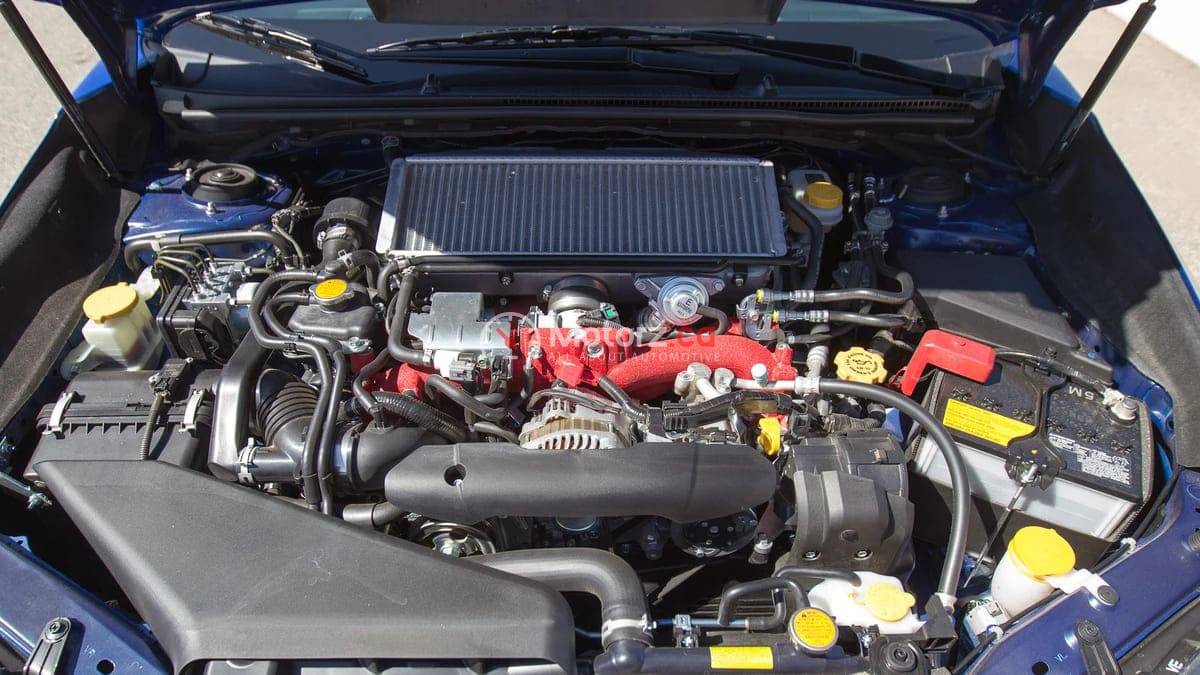
The lure of Car’s ECU is a powerful thing. You are scrolling through automotive forums or social media, and you see an ad promising that a simple software “tune” or a plug-in chip can unlock 50 extra horsepower and improve your fuel economy by 10 percent. It sounds like a dream. After all, if the power is already there, why did the manufacturer “lock” it away? Why not just rewrite the code and claim what is rightfully yours?
In the world of “The Corner Wrench,” we see the aftermath of these digital shortcuts every day. The Engine Control Unit (ECU) is the brain of your vehicle. It manages everything from the micro-second timing of fuel injectors to the complex shifting logic of your transmission. In 2026, as we move deeper into the era of software-defined vehicles, tampering with this brain is no longer just a mechanical risk—it is a digital gamble that can brick your car, void your warranty, and even land you in legal trouble.
Today, Motorz is pulling back the curtain on ECU “reflashing,” “chipping,” and “tuning.” We are going to explore why those factory settings exist, the physical toll that “unlocked” power takes on your hardware, and why the “delete” tunes of yesterday are a fast track to a financial nightmare today.
The Brain of the Machine: What Does the Car’s ECU Actually Do?
Before you change the code, you need to understand what the code is doing. The ECU is a high-speed processor that makes thousands of decisions every second based on data from dozens of sensors.
The Balancing Act
Manufacturers spend millions of hours testing engines in extreme conditions—from the blistering heat of the Arizona desert to the sub-zero winters of the Canadian Prairies. The ECU is programmed with “maps” that balance four critical factors:
Reliability: Ensuring the engine lasts 300,000 kilometers without a major failure.
Emissions: Keeping the vehicle compliant with strict environmental laws.
Fuel Economy: Meeting government-mandated efficiency standards.
Drivability: Ensuring the car is smooth, quiet, and predictable for the average driver.
The “Safety Margin”
When an aftermarket tuner “unlocks” more power, they aren’t finding magic energy. They are simply eating into the safety margins left by the manufacturer. They might increase turbocharger boost pressure, advance the ignition timing, or change the air-fuel ratio. While this creates more “zip,” it leaves the engine with zero protection if you happen to get a bad batch of fuel or if you are driving in extreme weather.
Mechanical Meltdown: The Physical Risks of a Tune
Your engine components were designed for a specific level of stress. When you tamper with the ECU to exceed those limits, you are putting every mechanical part on a “shorter fuse.”
Turbocharger Overload
Many modern tunes work by “cranking the boost.” If your turbocharger was designed to spin at a maximum of 150,000 RPM, a tune might push it to 180,000 RPM. This creates immense heat and friction. At “The Corner Wrench,” we’ve seen turbos “grenade” themselves because the bearings simply couldn’t handle the extra speed mandated by a 500 software flash.
Piston and Valve Stress
Advanced ignition timing is a favorite trick of tuners. By firing the spark plug earlier, they create more pressure on the piston. However, if the timing is too aggressive, it causes “detonation” or “knock.” This is essentially a mini-explosion that happens at the wrong time, which can punch a hole right through a piston or shatter a spark plug tip, sending metal shards into your cylinders.
Transmission Slippage
Your engine doesn’t live in a vacuum. If you increase the torque of the engine by 30 percent, your transmission, clutch, and driveshafts also have to handle that extra 30 percent. Most modern automatic transmissions are rated for a very specific torque limit. Exceeding it results in “burnt” clutches and a transmission that starts to “slip,” turning a cheap power boost into a 6,000 replacement bill.
The Digital Paper Trail: Why You Can’t “Hide” a Tune
A common myth is that you can just “flash it back to stock” before taking your car to the dealership for a warranty repair. In 2026, this is virtually impossible.
The Flash Counter
Most modern ECUs have a “flash counter” or a “checksum” log. Even if you revert to the factory software, the dealership’s diagnostic tool will see that the ECU has been accessed. It will flag the vehicle in the national database, and if you have an engine failure, your warranty claim will be denied instantly.
Black Box Data
Vehicles today are essentially “black boxes.” When an engine fails, the ECU stores a “freeze frame” of the data at the moment of failure. If the dealership sees that your fuel rail pressure or boost levels were 20 percent higher than factory specifications at the time of the “event,” they have all the evidence they need to walk away from the bill.
Legal and Environmental Consequences: The “Delete” Trap
Lorraine Explains that the days of “deleting” emissions equipment (like DPFs or EGR systems) are over. In 2026, the legal landscape has shifted dramatically.
Emissions Compliance
Tampering with emissions software is a violation of federal law in both Canada and the United States. Many provinces are now implementing “plug-in” emissions testing where the testing computer talks directly to your ECU. If it detects a “tune” that bypasses emissions controls, your vehicle will fail its inspection, and you will be unable to renew your registration.
The “Bricking” Risk
Modern cars receive Over-the-Air (OTA) updates. If you have a modified ECU and the manufacturer sends out a security or safety update, the two pieces of software can conflict. This can “brick” the ECU, making the car completely unresponsive. Replacing a locked-out ECU can cost upwards of 2,500, and it is rarely covered by insurance.
Is the Extra Power Worth the Risk?
At Motorz, we love performance, but we value reliability more. Before you “tamper” with your ECU, consider these three points:
The Cost-Benefit Ratio: Is 30 extra horsepower worth losing a 5-year powertrain warranty?
The “Used Car” Factor: Modified cars are significantly harder to sell. Most buyers view an ECU tune as a sign that the car has been driven hard and potentially abused.
The Professional Path: If you want more power, look for manufacturer-approved performance parts or “factory-backed” tunes that maintain your warranty and meet emissions standards.
The “bed of snakes” in your car’s wiring is managed by a very precise digital conductor. When you start rewriting the music, don’t be surprised when the engine starts playing a very expensive tune. Keep it stock, keep it safe, and keep your “Corner Wrench” for the maintenance that actually matters.