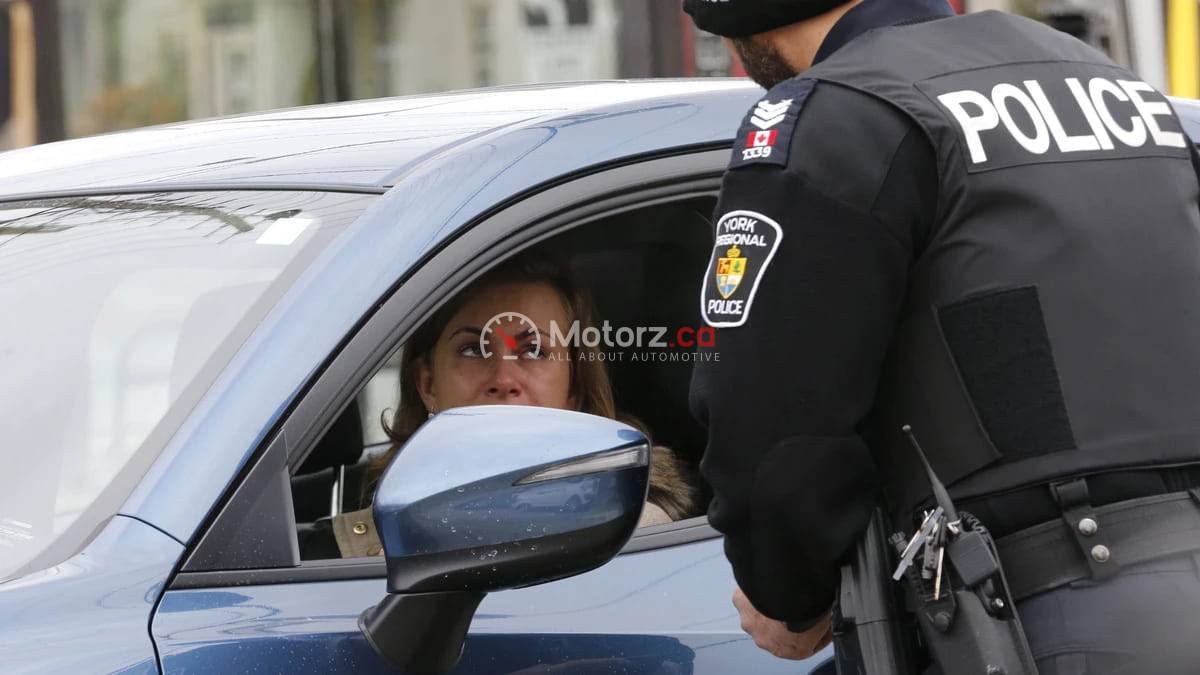
We have all seen it. The car ahead of you Distracted Driving slowly over the center line, only to jerk back suddenly as the driver realizes they were seconds away from a head-on collision. Or perhaps you’ve sat at a green light, waiting for the person in front of you to look up from the glowing screen in their lap. In the world of “The Corner Wrench,” we often talk about mechanical failures, but the most dangerous “part” of any vehicle remains the person behind the wheel.
Despite decades of public awareness campaigns, steeper fines, and increased police presence, impaired and distracted driving continue to be leading causes of preventable death on Canadian roads. In 2026, the problem has evolved. Impairment isn’t just about alcohol anymore; it includes cannabis and prescription medications. Distraction isn’t just a phone call; it is a “digital cockpit” full of touchscreens and notifications.
At Motorz, we are looking beyond the slogans. To stop these behaviors once and for all, we need a multi-layered approach that combines cutting-edge automotive technology, smarter infrastructure, and a fundamental shift in our driving culture. Let’s explore the roadmap to zero-incident roads.
The 2026 Tech Solution: Passive Detection Systems
The most effective way to stop a dangerous driver is to prevent the car from moving in the first place. We are moving away from “reactive” policing and toward “proactive” vehicle technology.
Advanced Alcohol Detection (DADSS)
In 2026, the Driver Alcohol Detection System for Safety (DADSS) is no longer science fiction. Unlike the clunky ignition interlocks of the past that required a breath sample, these new systems are passive.
Sensors in the Start Button: Infrared sensors can read the blood alcohol level through the skin of your fingertip as you push the ignition.
Air Sampling: Sensors mounted in the steering column or door panel can “sniff” the ambient air for alcohol molecules. If the level is above the legal limit, the car simply stays in “Park.”
In-Cabin Monitoring Systems (ICMS)
Modern cars are now equipped with driver-facing cameras. Using AI, these systems monitor your eye movement and head position.
Distraction Alerts: If the camera detects your eyes leaving the road for more than two seconds (the “two-second rule”), the car can vibrate the seat, sound an alarm, or even pulse the brakes to get your attention.
Impairment Tracking: These systems can also detect “micro-sleeps” or the slow eyelid movements associated with fatigue or drug impairment, suggesting—or eventually forcing—a stop at the next rest area.
Infrastructure and the Role of Smart Cities
The road itself can be a partner in safety. As we modernize our Canadian urban centers, the environment can intervene when a driver fails.
Vehicle-to-Infrastructure Communication
In a smart city, the traffic lights and road sensors talk to your car. If a vehicle is detected swerving or traveling at an erratic speed—common signs of impairment—the infrastructure can alert nearby drivers via their dashboard displays.
The “Safety Bubble”: Autonomous systems in surrounding cars can receive a signal to increase their following distance, effectively creating a “safety bubble” around a suspected impaired driver until authorities can intervene.
Lane-Keep Assist and Intelligent Speed Prohibit
In 2026, Level 2 and Level 3 autonomous features are standard on most new vehicles.
Active Intervention: If a distracted driver drifts toward a ditch or oncoming traffic, the car’s steering rack will actively resist the movement and pull the vehicle back to center.
Geofencing: Some safety advocates are pushing for “geofencing” technology that would limit a vehicle’s speed in high-pedestrian zones or school zones, regardless of how hard a distracted driver presses the accelerator.
The Legal and Social Shift: Redefining “The Right to Drive”
Technology is only half the battle. Lorraine Explains that our legal system and social norms must catch up to the reality of 2026 road risks.
Stricter Penalties for “Digital Impairment”
For years, a “distracted driving” ticket was seen as a minor annoyance compared to a DUI. That is changing. Many jurisdictions are now treating heavy digital distraction—like watching a video or texting while moving—with the same severity as alcohol impairment, including immediate license suspensions and vehicle impoundment.
The “Social Host” Responsibility
Just as a bartender can be held liable for over-serving a patron, there is a growing movement to hold “digital hosts” (app developers and phone manufacturers) accountable for making devices easier to use while driving.
Mandatory Driving Modes: Imagine a phone that automatically enters “Driving Mode” based on its GPS speed, disabling all non-essential notifications and locking the screen unless a passenger is detected.
Why Education Still Matters: The Human Element
Despite all the sensors and AI, the human brain is the ultimate safety device. We need to move past “Don’t Drink and Drive” and toward “Active Driving Engagement.”
Defensive Driving in the Tech Age
At “The Corner Wrench,” we believe every driver should take a refresher course every five years. Understanding how your car’s safety systems work—and their limitations—is vital.
Example: A driver who relies too heavily on “Blind Spot Monitoring” might stop checking their mirrors, leading to a “distracted” collision when the sensor fails to see a fast-moving motorcycle.
Peer Intervention
The most effective way to stop a distracted driver is the person in the passenger seat. We need to normalize saying, “Put the phone away, I’ll navigate for you,” or “You’ve had too much to drink; let’s call a ride-share.” In 2026, the stigma against “snitching” on a dangerous driver is being replaced by a culture of mutual protection.
A Future With Zero Crashes
Ending impaired and distracted driving isn’t about one single “magic” law or a single piece of software. It is about a “Safety Stack”:
Passive Vehicle Detection: Stopping the car before the driver makes a mistake.
AI Monitoring: Keeping the driver’s eyes on the road and hands on the wheel.
Smart Infrastructure: Warning others when a dangerous driver is nearby.
Cultural Accountability: Treating the privilege of driving with the respect it deserves.
At Motorz, we want the “Corner Wrench” to be used for maintenance and upgrades, not for fixing crumpled fenders caused by a “quick text.” The goal is clear: a future where every Canadian who leaves for a trip arrives safely at their destination.