


The weather in Tires for Wet Weather Driving, Jamaica is famously beautiful, but when the clouds decide to open up, they do so with force. A sudden tropical downpour can transform a busy street in Half-Way-Tree or a high-speed stretch of the Portmore toll road into a treacherous, water-logged surface in minutes. For drivers, this brings one immediate, critical safety concern: hydroplaning and loss of control.
If you’ve ever felt that heart-stopping moment when your steering wheel goes light and your car glides uncontrollably over a patch of water, you understand the necessity of having the right equipment. Your engine, brakes, and wipers are only as good as the four small patches of rubber connecting your vehicle to the road.
In the Kingston climate, choosing the best wet weather tires isn’t a luxury; it’s a non-negotiable part of driver safety and preventative maintenance. This in-depth guide is tailored specifically for the Jamaican driver. We will decode the science of wet-grip technology, explain what makes a tire exceptional in the rain, and recommend the key features and types of tires that will keep you firmly planted on the asphalt, no matter how heavy the rain falls.
Understanding the Kingston Wet Road Challenge
The local driving environment presents Tires for Wet Weather Driving challenges that are amplified during the rainy seasons. Standard tires often cannot cope with these conditions, leading to dangerous loss of grip.
The Hydroplaning Hazard
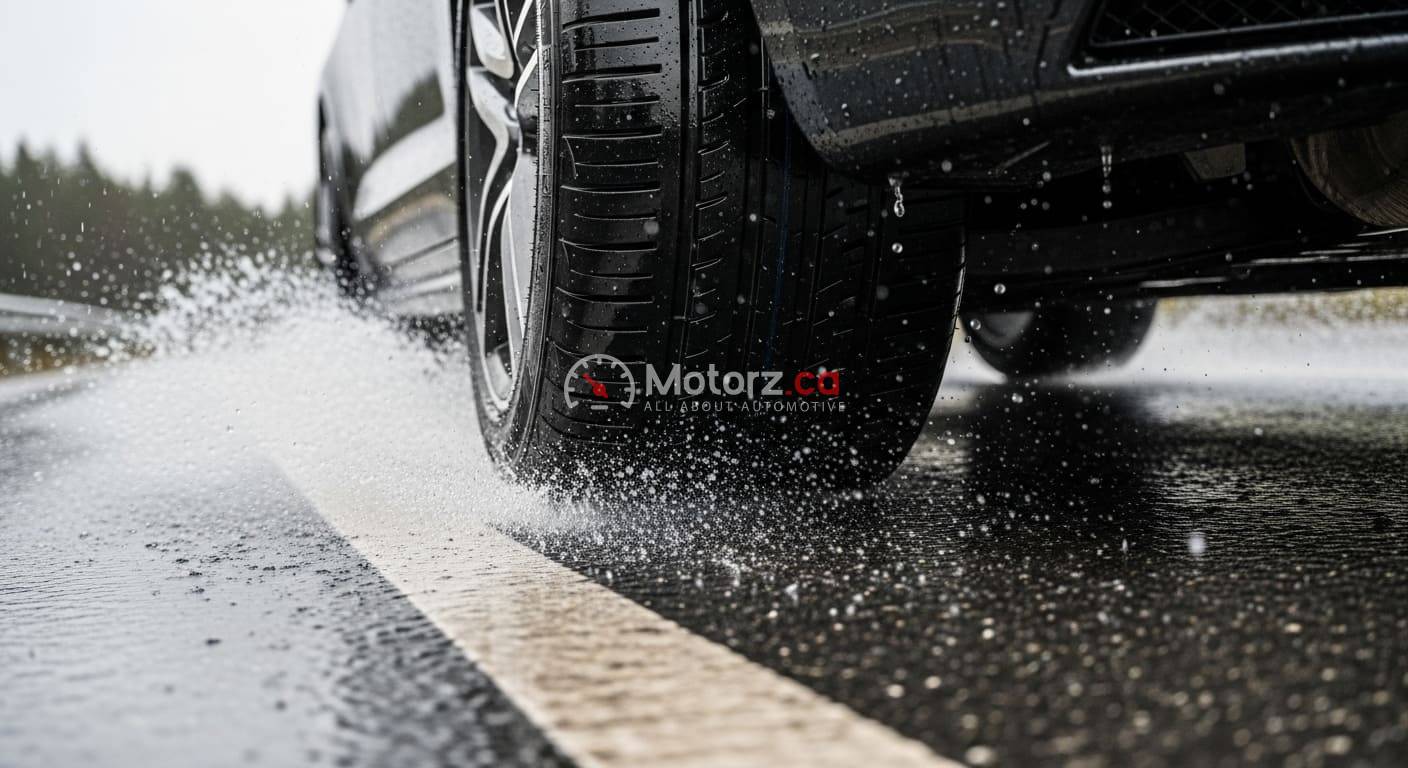
Hydroplaning (or aquaplaning) occurs when a wedge of water builds up between your tire and the road surface. The tire loses contact, and you lose steering and braking capability.
Tropical Rain Intensity: Jamaican downpours are Tires for Wet Weather Driving. The sheer volume of water quickly overwhelms the drainage capacity of older or worn tire treads.
Oil and Dust Slurry: After a long dry spell in Tires for Wet Weather Driving, dust, sand, and oil residue accumulate on the road surface. The first few minutes of a rain shower mix this grime with water, creating an extremely slick, soapy slurry that drastically reduces friction.
The Danger of Worn Tires
Legal tread depth isn’t always safe tread depth. As tires wear down, their ability to channel water away from the contact patch decreases exponentially. A tire with 50% wear has drastically reduced wet-braking performance compared to a new one. Regular tire inspection is your first line of defense.
Decoding Tire Technology for Superior Wet Grip
Choosing the best tire for the rain involves understanding two critical technical aspects: the tread compound and the tread design. These are the secrets behind a tire’s ability to hold the road when wet.
The Magic of the Silica Compound
A tire’s tread compound determines its grip Tires for Wet Weather Driving. For wet performance, manufacturers introduce special polymers and silica.
The Role of Silica: Silica, a key raw material, enhances the rubber’s flexibility at a microscopic level. It allows the tread blocks to contour better to the road surface, dramatically increasing traction on wet pavement without compromising tread life. Tires labeled as “All-Season” or “Performance” with a high silica content are the best choice for year-round Jamaican conditions.
Temperature Stability: The silica compound also Tires for Wet Weather Driving well in the variable temperatures of the Kingston climate, maintaining flexibility even when the road is cool (due to rain) or hot (due to sun).
The Art of the Tread Pattern (Siping and Grooves)
The tread pattern is designed to evacuate water from beneath the tire. This design is what battles hydroplaning.
Circumferential Grooves: These are the wide, deep channels that run around the tire’s circumference. Their primary job is to scoop up large volumes of water and quickly channel it backward. Look for three or four wide grooves for optimal water evacuation.
Sipes and Lateral Grooves: Sipes are the tiny, Tires for Wet Weather Driving slits cut into the tread blocks. They act like miniature squeegees, wiping the final layer of water off the road surface. The best wet-weather tires feature high-density siping to provide biting edges for grip.
The Top Tire Categories for Kingston Conditions
Given the year-round heat and intermittent heavy rain, specialized rain tires are unnecessary. Instead, the best options fall within the high-Tires for Wet Weather Driving all-season category.
The High-Performance All-Season Tire (H- and V-Rated)
This category offers the best blend of wet traction, dry handling, and longevity for most everyday drivers in the KMA.
Balanced Grip: These tires prioritize safety and comfort, excelling in both dry grip (necessary for aggressive braking) and excellent wet braking Tires for Wet Weather Driving. They typically feature a slightly softer compound and deep, multi-directional tread patterns.
Quiet and Comfortable: For the daily commute in Kingston traffic, these tires offer a quiet ride and good handling response, making them a practical and reliable choice.
The Ultra-High Performance All-Season Tire (W- and Y-Rated)
For sports car enthusiasts or those prioritizing maximum wet handling and cornering ability, the UHP All-Season tire is a superior option.
Stiffer Sidewall: These tires have a Tires for Wet Weather Driving construction for better steering response and stability at higher speeds (like on the toll roads).
Aggressive Tread: While having less void than a standard All-Season tire, the tread blocks are designed with specialized internal channels and advanced silica compounds to maintain maximum contact patch during cornering in the rain.
Beyond the Tire: Maintaining Wet Weather Safety
Even the best tire on the market cannot overcome poor maintenance or unsafe driving practices. Driver vigilance must accompany the equipment upgrade.
Pressure, Alignment, and Rotation
Maintaining Optimal Tire Pressure: This is Tires for Wet Weather Driving. Under-inflated tires wear unevenly and lose their designed water evacuation capability, making them highly susceptible to hydroplaning. Check your tire pressure weekly.
Wheel Alignment and Balancing: Proper wheel alignment ensures all four tires contact the road at the correct angle. Incorrect alignment causes rapid, uneven wear, destroying the integrity of your wet-weather tread prematurely. Get your car checked after any severe encounter with a pothole.
Adjusting Your Driving Habits
The new Road Traffic Act (2018) emphasizes Tires for Wet Weather Driving. In the rain, this means slowing down and increasing your following distance.
Reduce Speed: The greatest factor in hydroplaning is speed. When it rains, reduce your speed by 15-20 km/h, especially on Tires for Wet Weather Driving, to allow the tire tread enough time to disperse the water.
Increase Following Distance: Double your normal following Tires for Wet Weather Driving. Wet roads drastically increase your braking distance, and having extra space is crucial for avoiding a sudden stop on a slippery surface.