Scope: Canada.
There is no single Canada-wide installation date: use temperature and forecast guidance, then check the law for every province or route you will drive.
Key takeaway: Plan the changeover when temperatures are consistently approaching 7°C, but treat that as performance guidance—not a national legal date. Québec has a fixed seasonal requirement for most Québec-registered motor vehicles, while British Columbia regulates designated routes.
Transport Canada says all-season and summer tires begin losing elasticity below 7°C and recommends winter tires on all four wheels for cold, snowy or icy driving. Weather reaches that point at different times across the country, so booking based on local forecasts is more useful than choosing one calendar date for every Canadian driver.
On this page
- Temperature guidance
- Current legal requirements
- How to plan the changeover
- What to verify before travel
Use 7°C as planning guidance, not a legal threshold
When daytime highs and overnight lows are regularly near or below 7°C, a winter-tire appointment is reasonable even if snow has not arrived. Waiting for the first storm can mean limited shop availability. Install a matched set of four tires with the correct size, load and speed ratings for the vehicle, following the owner manual and tire professional’s guidance.
Winter-tire legal requirements checked by jurisdiction
Legal information checked 2026-07-26. The table identifies the passenger-vehicle rules that official sources state clearly. It is not a substitute for legislation, posted highway signs or current local rules.
| Jurisdiction | What the current official source says | Driver action |
|---|---|---|
| Québec | Most motor vehicles registered in Québec must use compliant winter tires from December 1 through March 15, subject to stated exemptions. | Read the Québec requirements and exemptions before the season. |
| British Columbia | Winter tires or chains are required on designated routes, generally October 1 through March 31 or April 30 depending on the route; regulatory signs control. | Check the official route map and signs for every planned highway. |
| Ontario | The Ministry of Transportation recommends four matching winter or all-weather tires; special rules apply to studded tires and certain vehicle services. | Treat recommendations and any vehicle-specific rule separately. |
| Alberta, Saskatchewan, Manitoba, New Brunswick, Nova Scotia, Prince Edward Island, Newfoundland and Labrador | No fixed date is stated here because official guidance and vehicle/route rules differ and can change. | Check the current provincial transportation page and legislation immediately before travel. |
This wording deliberately does not infer that silence on a general government page proves no rule exists. Commercial vehicles, rideshare services, rentals, studded tires, mountain routes and municipal requirements may follow different rules. Drivers crossing provincial borders must satisfy the rules of each jurisdiction and obey posted signs.
A practical changeover decision
- Watch the multi-day forecast rather than one cold night.
- Book before the first sustained cold period in your area.
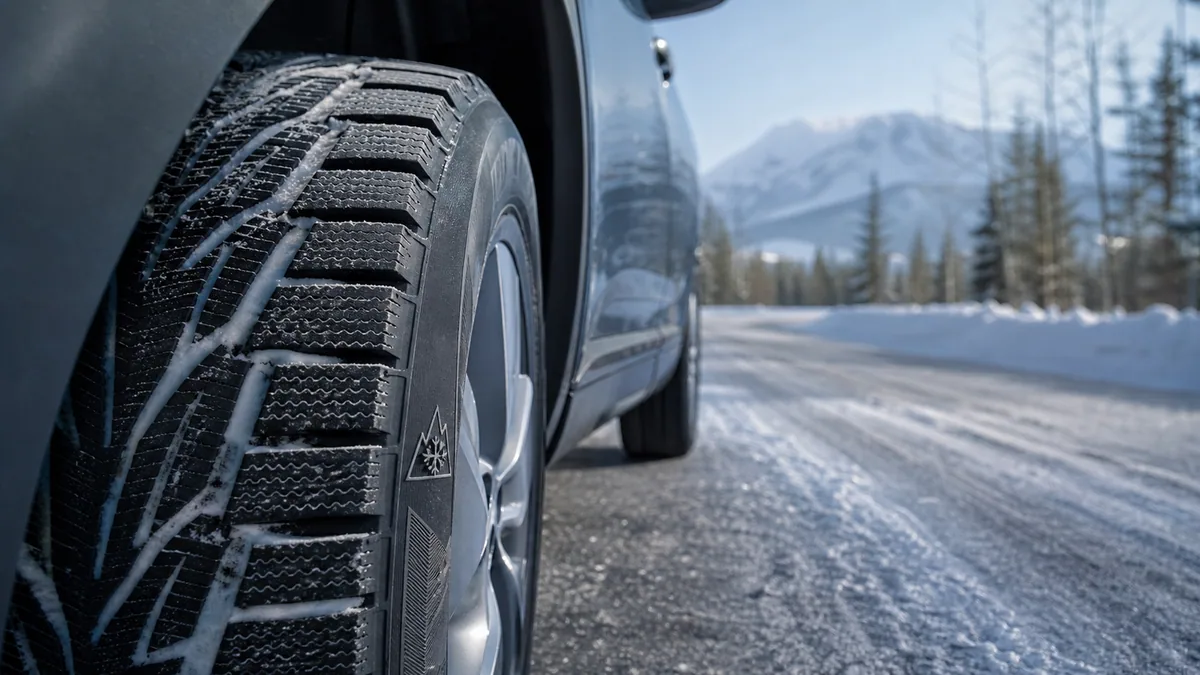
- Confirm the tire carries the three-peak mountain snowflake symbol where the rule requires it.
- Install four compatible tires; do not mix types or sizes contrary to manufacturer guidance.
- Check cold tire pressure using the vehicle placard or owner manual.
- Recheck the destination and route rules before interprovincial travel.
When should winter tires come off?
Reverse the same logic when temperatures stay consistently warmer and winter conditions have ended, but do not remove them before a legal period ends or while a regulated route still requires them. Québec recommends waiting beyond March 15 when spring conditions remain variable. British Columbia route requirements may continue through April 30.
For a current province-by-province legal comparison, see our 2026–27 Canadian winter-tire rules guide; posted route requirements and current official sources still control.
Sources
- Transport Canada: Using winter tires (2025; accessed 2026-07-26)
- Gouvernement du Québec: Requirements for winter tires (2026-07; accessed 2026-07-26)
- Government of British Columbia: Designated Winter Tire & Chain Routes (2025-11-24; accessed 2026-07-26)
- Government of Ontario: Maintaining your vehicle (2025-01-20; accessed 2026-07-26)
Next legal review: 2026-10-26, before the 2026–27 winter season. Confirm every province, territory and posted route at the time of travel.
n