
Freedom and the BC Landscape
Let’s start with the powerful draw of the Van Life. It’s not just a trend; it’s a way to unlock a level of freedom and access that is nearly impossible with a traditional home.
H2: Access to BC’s Great Outdoors
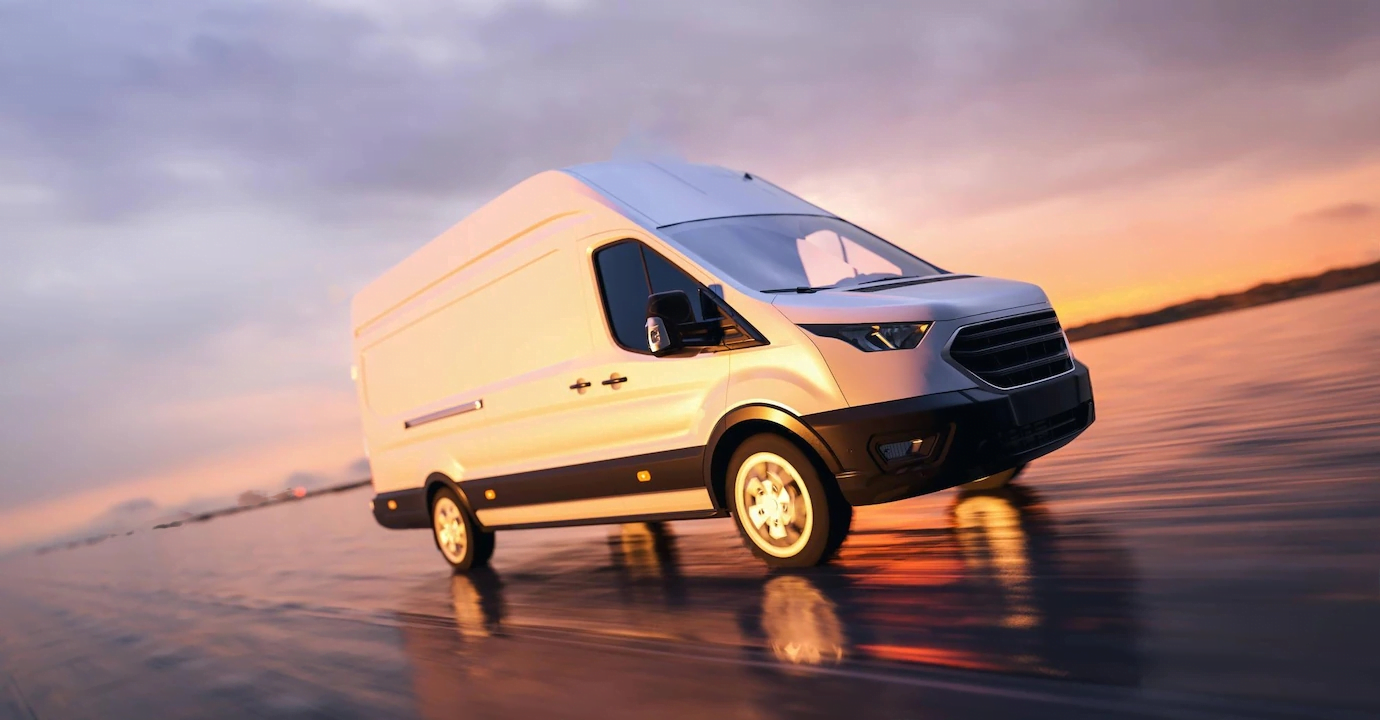
For those who live in Vancouver, a camper Van Life is the ultimate adventure machine. Imagine finishing work on a Friday, hopping in your van, and within a few hours, you’re parked at a secluded spot on the Sunshine Coast or at a trailhead in Squamish. A van is your base camp, a mobile home that allows you to:
Chase the seasons: Head north to Whistler for a ski weekend in the winter, then drive south to the Okanagan for wine tasting in the summer, all with your home comforts in tow.
Explore remote locations: A rugged Van Life can access FSRs (Forest Service Roads) and rustic camping spots that a standard car or large RV could never reach. This is the true essence of Vancouver outdoor adventure and allows you to experience Van Life wilderness without the crowds.
Save money on accommodations: Instead of booking expensive hotels or Van Life, your van provides a comfortable and convenient place to sleep wherever you go. Over time, the cost savings on travel can be significant.
H3: A New Perspective on the City
Van life also offers a unique perspective on Van Life itself. The van can serve as a mobile home base for urban exploration. You can park near a friend’s place for a week, a surf spot at dawn, or a concert venue without worrying about a late-night drive home. It redefines your relationship with the city, turning it into a playground rather than just a place to live.
2. The Reality Check: Is Van Life Practical in Vancouver?
This is where we peel back the layers and confront the less glamorous side of the dream. Living in a van, especially in a dense, expensive city, comes with a unique set of challenges.
H2: Parking and Laws
This is the single biggest hurdle for Van Life considering a full-time camper van Vancouver lifestyle. The City of Vancouver has strict bylaws regarding large vehicle parking and overnight stays on public streets.
Size Matters: The Van Life Street and Traffic By-law restricts large vehicles (generally taller than 2.2 meters or longer than 6.4 meters) from parking on residential streets overnight (10 p.m. to 6 a.m.). They are also subject to a three-hour parking limit in many areas during the day. This makes long-term, continuous street parking very difficult, if not impossible.
The “Living in a Vehicle” Bylaw: While not always enforced aggressively, the City can issue tickets and warnings for using a vehicle as living quarters. The District of North Vancouver and other surrounding municipalities have also been increasing their focus on large vehicle parking and enforcement in response to resident complaints. The general rule is to not draw attention to yourself and avoid staying in one spot for too long.
The Struggle is Real: This means you cannot Van Life park your van on a residential street and assume it will be fine. You’ll likely need to constantly move your vehicle, find discreet spots, and be prepared to face tickets or a knock from bylaw officers.
H3: The True Cost of Van Life
While van life can be cheaper than paying Vancouver rent, it is by no means free. The costs of a Vancouver van conversion or a pre-built van can be significant.
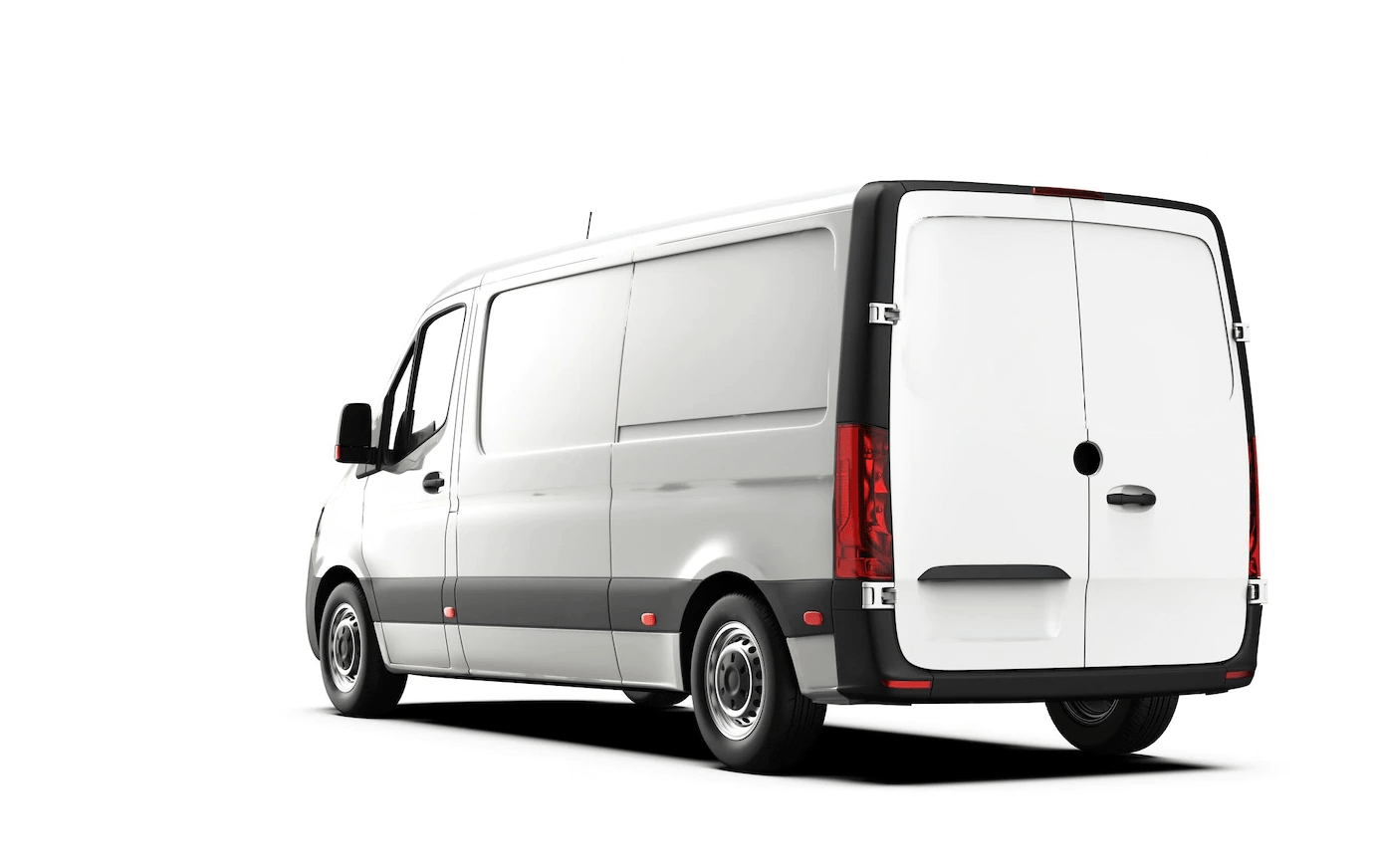
Buying the Van: A used cargo van (like a Mercedes Sprinter or Ford Transit) can range from $20,000 to $60,000 depending on mileage and condition. A new one can cost upwards of $80,000.
The Build: A DIY van Van Life Vancouver can cost anywhere from $10,000 to $50,000+ depending on the materials and complexity (solar panels, water systems, heating, etc.). A professional conversion can easily start at $100,000 and go up from there.
Ongoing Costs: Don’t forget insurance, fuel, maintenance, and campsite fees. Camper van insurance in British Columbia is mandatory, and policies vary widely depending on how the vehicle is classified. While ICBC offers basic coverage, you may need a specialized policy from a private insurer if your van has extensive, permanent modifications.
3. The Van Itself: Build, Buy, or Rent?
One of the first major decisions is how to acquire your adventure mobile. Each path has its own set of pros and cons.
H2: The Build vs. Buy Dilemma
DIY Van Conversion: This is the path for the budget-conscious and the hands-on.
Pros: Complete creative control over the layout, materials, and design. The satisfaction of building your own home on wheels is immense. It’s often cheaper, and you’ll have a deeper understanding of your vehicle’s systems.
Cons: It’s incredibly time-consuming and requires a wide range of skills (electrical, carpentry, plumbing). It’s also easy to go over budget and face unexpected challenges.
Pre-Built Camper Van: This is the path of convenience.
Pros: Turnkey solution. You buy it and it’s ready to go. The quality is often professional, and the resale value is typically higher than a DIY build.
Cons: Expensive. You are paying a premium for the convenience. You have no control over the layout and design.
H3: The Starter Option: Renting
For those on the fence, renting a camper van for a weekend or a week is a fantastic way to test the lifestyle. There are numerous companies in and around Vancouver that offer van rentals. This allows you to experience the pros and cons of living in a small space, cooking on the road, and finding places to park without a massive financial commitment. It’s the ultimate “try before you buy.”
4. Navigating BC’s Roads and Regulations
Once you have your van, the province is your oyster. But even in the wilderness, there are rules to follow.
H2: Finding a Place to Sleep
The BC Parks system offers a wide variety of campgrounds, from full-service sites with washrooms and showers to more rustic, no-frills spots. These are often the safest and most reliable places to stay overnight, but they require a fee and often a reservation.
Designated Campgrounds Near Vancouver: Golden Ears Provincial Park, Porteau Cove Provincial Park, Alice Lake Provincial Park, and campgrounds around Squamish are all popular choices. They offer a great balance of accessibility and nature, but can book up months in advance.
Recreation Sites: These are often on Crown land, managed by Recreation Sites and Trails BC. They are more basic than provincial parks and often free or have a minimal fee. They offer a more rugged, authentic experience for the seasoned van life BC adventurer.
5. The Digital Nomad’s Dream: Is It a Reality?
For many, van life is synonymous with remote work BC and a life of constant travel. But staying connected on the road isn’t always easy.
H2: Staying Connected
Reliable Internet: Cell service in BC can be spotty, especially once you’re away from major highways. A mobile hotspot can work in some areas, but for consistent, reliable internet for video calls and uploads, a satellite internet system like Starlink is often the only option.
The Power Question: To power a laptop, you’ll need a robust electrical system, including a solar panel setup, a large battery bank, and an inverter. This is a significant part of any camper van conversion and a key investment.
H3: The Work-Life Balance
While the idea of working from a mountain top is appealing, the reality is that the small, confined space of a van can make it difficult to separate work from life. It requires immense discipline and a clear routine to avoid burnout and maintain productivity.