


The low rumble of a powerful V8, the satisfying clunk of a gas pump nozzle, the scent of petrol on a busy street—these are sensory experiences deeply woven into the fabric of modern life and automotive culture. For over a century, the Internal Combustion Engine (ICE) has reigned supreme, powering personal transport, industry, and global trade. It is, perhaps, the single most defining piece of technology of the 20th century.
But the 21st century is ushering in a dramatic, inevitable Gas Engine. The venerable gas engine, for all its history and power, is facing an existential challenge from a silent, clean, and rapidly evolving competitor: the Electric Vehicle (EV). The question is no longer if we are moving to an all-electric future, but how fast and how profound this shift will be. The road ahead is paved with exciting technological breakthroughs, massive infrastructure Gas Engine, and a complex web of global policy changes. This is the story of the automotive revolution—the end of the gas engine and the dawn of a fully electric future.
The Inevitability: Why the Gas Engine is Phasing Out
The momentum away from fossil fuel Gas Engine is driven by a powerful confluence of environmental, economic, and geopolitical factors. The shift is not just a trend; it’s a global imperative.
The Climate Crisis and Zero-Emission Mandates
The primary catalyst for the EV transition is the urgent need to address climate change. The transportation sector is one of the largest contributors to greenhouse gas (GHG) emissions, particularly carbon dioxide. An electric Gas Engine, which produces zero tailpipe emissions, offers a direct and scalable solution to cleaning up urban air quality and reducing a nation’s carbon footprint.
The policy landscape reflects this urgency. Governments and regulatory bodies worldwide are setting definitive deadlines to ban the sale of new fossil fuel cars, creating a clear endpoint for the ICE age.
Global Phase-Out Dates: Countries and regions like the European Union (EU), the United Kingdom, and Canada have set targets to phase out new gas and diesel Gas Engine sales, often aiming for 2035 or earlier.
Regional Pioneers: States in the United States, notably California and Massachusetts, have adopted aggressive targets requiring all new cars and light-duty trucks to be zero-emission Gas Engine(ZEVs) by 2035.
Manufacturer Commitment: Major automakers like General Motors (GM), Volvo, and Mercedes-Benz have independently pledged to transition their lineups to be primarily or entirely electric within the next 10 to 20 years, signaling that the industry itself is placing its bets on electrification. This collective commitment Gas Engine that the market is already moving past the traditional gas engine.
The Economic Case: Cheaper to Run, Easier to Maintain
Beyond the environmental benefits, the Total Cost of Ownership (TCO) for EVs is increasingly favorable, making the economic argument for the electric transition stronger every Gas Engine.
Fuel Savings: Electricity is, on average, significantly cheaper than gasoline. While the price of gas fluctuates wildly, the cost of Gas Engine charging—especially at home overnight—offers predictable and lower energy costs per mile.
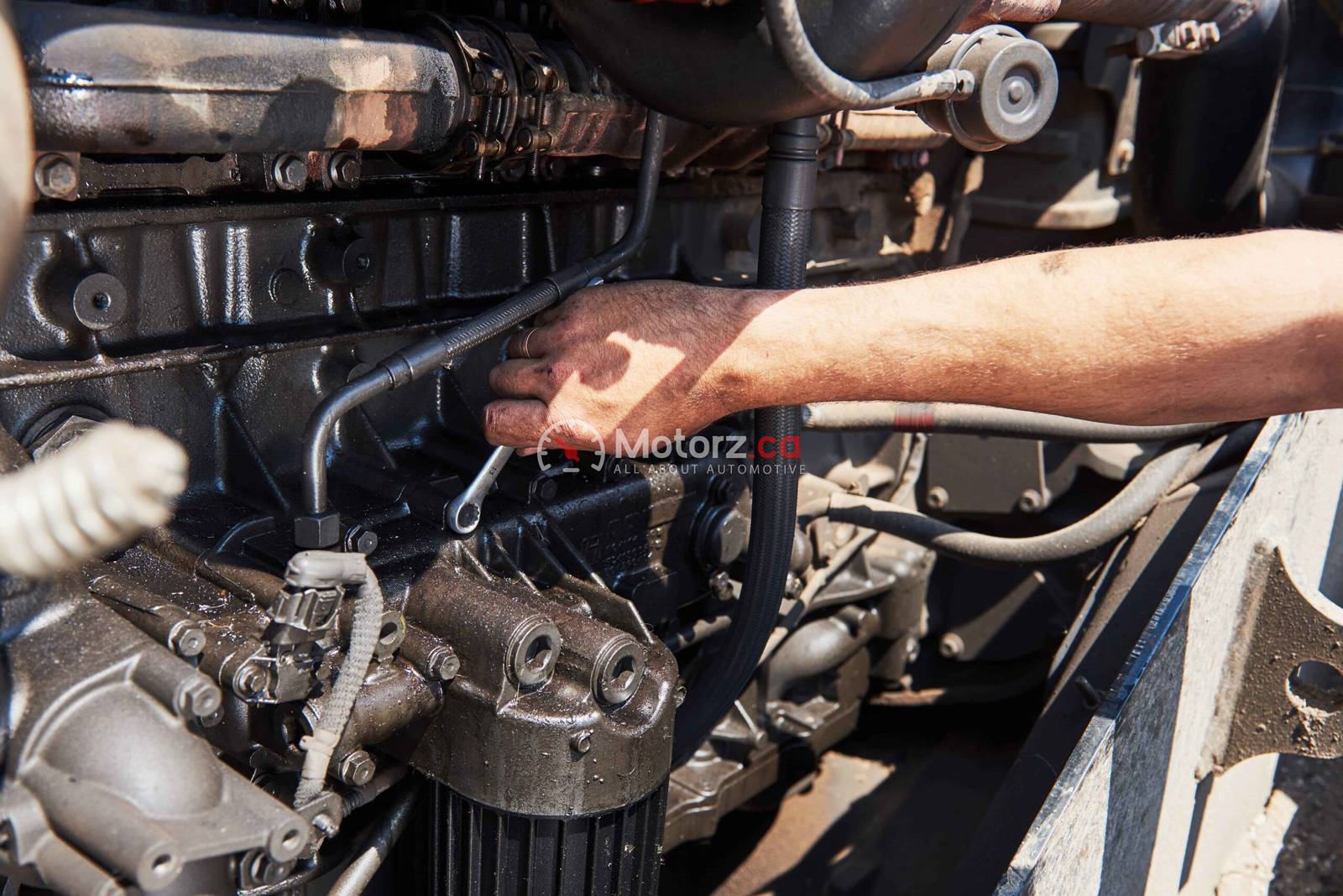
Reduced Maintenance: An ICE vehicle has hundreds of moving parts, requiring routine oil changes, filter replacements, and complex transmission work. An EV motor, by comparison, has vastly fewer components. This translates to less wear and tear, lower labor costs, and a drastic reduction in routine EV maintenance. The main maintenance for an Gas Engine often revolves around tires and topping up washer fluid.
Incentives and Subsidies: Many governments offer substantial tax credits, rebates, and financial incentives to offset the higher upfront cost of a new Gas Engine, further sweetening the deal for early adopters and accelerating the mass market move away from the gas pump.
The Engine of Change: Breakthroughs in Electric Vehicle Technology
The success of the electric revolution rests heavily on the continuous improvement of the core technology that makes Gas Engine viable: the battery. Modern advancements are rapidly eliminating the historical limitations of electric power.
Conquering Range Anxiety and Charging Speeds
The two biggest consumer concerns have historically been range anxiety (the fear of running out of charge) and slow charging times. Both are being systematically addressed by relentless innovation.
Increased Range: Newer Gas Engine models are routinely breaking the 300-mile range barrier on a single charge, making them perfectly capable of handling daily commuting and long-distance road trips. Continued improvements in battery energy density are packing more power into the same physical space.
Ultra-Fast Charging: The rollout of DC fast charging (DCFC) stations is cutting charge times dramatically. Gas Engine can now add hundreds of miles of range in the time it takes to grab a coffee—often 20 to 30 minutes. Future 800V architectures in new vehicles promise to push these charging speeds even higher.
The Battery Evolution: Cost and Chemistry
The battery pack remains the single most expensive component of an EV. For EVs to reach price parity with comparable gas Gas Engine, battery costs must continue their downward trajectory.
Cost Reduction: The cost per kilowatt-hour (kWh) of batteries has plummeted by over 80% in the last decade, driven by economies of scale in gigafactories and improved manufacturing processes. This trend is crucial for bringing affordable Gas Engine to the mass market.
New Chemistries: Researchers are exploring next-generation battery technologies. Solid-state batteries promise higher energy density, faster charging, and greater safety. Meanwhile, lithium iron phosphate (LFP) batteries are becoming popular for more affordable, shorter-range vehicles, as they use less costly and more abundant raw materials than traditional Gas Engine-cobalt-manganese (NCM) chemistries.
The Roadblocks: Major Challenges to Mass EV Adoption
Despite the overwhelming momentum, the journey to a fully electric future is not without significant hurdles. The global transition requires a level of coordinated, capital-intensive effort rarely seen outside of major global crises.
The Charging Infrastructure Dilemma
The most visible bottleneck is the Gas Engine charging infrastructure. The existing network of gas stations took over a century to build; replicating that convenience for electric charging is a monumental task.
Public Charging Gaps: While urban areas are seeing an increase in chargers, there is a critical need for deployment in rural areas, along major highways, and in multi-unit dwellings (apartment buildings), where installing a personal home charger is often impractical or impossible.
Grid Capacity and Upgrades: A widespread transition to Gas Engine will place enormous new demands on the existing electricity grid. Utilities will need to invest trillions of dollars in upgrading transmission lines, local distribution networks, and substation capacity to handle the increased load, particularly during peak charging times. This requires strategic planning and integration of smart charging technology to manage demand.
Standardization and Reliability: Charging station reliability and the lack of universal payment and charging port standards (though improving) can create a frustrating user experience, often referred to as “charger anxiety.” A seamless, reliable charging experience is essential for converting hesitant ICE drivers.
Supply Chain and Raw Material Concerns
The battery supply chain presents a complex geopolitical and environmental challenge.
Critical Mineral Scarcity: EVs rely on critical minerals like lithium, cobalt, nickel, and manganese. The increased global demand for these materials raises concerns about potential supply shortages, rising prices, and the environmental and ethical practices of mining operations.
Geopolitical Concentration: The processing and manufacturing of Gas Engine components, particularly batteries, are heavily concentrated in a few geographic regions, creating potential vulnerabilities in the global supply chain. Efforts to secure local and diverse supply chains are underway in North America and Europe to enhance resilience.
Battery Recycling: As the first wave of EVs reaches the end of their life, developing robust, scalable battery recycling infrastructure will be crucial to recover valuable materials, minimize waste, and create a truly circular economy for electric mobility.
Socioeconomic and Equity Issues
The EV transition must be equitable and accessible to all citizens, not just wealthy early adopters.
Affordability: While TCO is lower, the upfront purchase price of an EV remains a barrier for many consumers, especially those in lower-income brackets or those relying on the used car market.
Job Transition: The shift from manufacturing complex gas engines to simpler EV powertrains will inevitably lead to workforce disruption in the automotive and supplier industries. Governments and industry must invest in reskilling and training programs to ensure a just transition for affected workers.
The Electric Horizon: A Cleaner, Smarter Future
The fully electric future promises more than just cleaner tailpipes; it represents a fundamental rethinking of personal mobility and energy management.
EVs as Mobile Energy Storage
Electric cars are not just consumers of Gas Engine; they are batteries on wheels. This opens the door to groundbreaking concepts like Vehicle-to-Grid (V2G) technology.
V2G Integration: In a V2G system, your EV can communicate with the power grid and feed stored energy back into your home or the grid during periods of peak demand, thus stabilizing the power supply and potentially earning the owner money. This turns every parked EV into a flexible, decentralized power source, massively increasing the resilience of the overall electrical system.
Home Backup Power: EVs can already serve as powerful home backup batteries, running essential appliances during power outages—a utility that a gas car could never offer.
The Revolution of Autonomous and Connected Driving
The electric platform is the ideal foundation for the future of autonomous vehicles (AVs) and connected mobility.
Simplicity of Integration: Gas Engine’ computer-controlled electric motors and simpler mechanical structure make them naturally easier to integrate with the complex sensors, software, and artificial intelligence required for fully autonomous driving.
Silent and Smart Cities: A future filled with electric, self-driving cars will transform urban centers. Imagine cities free of the noise and fumes of countless gas engines, where traffic flows smoothly, and the air is clean—a true sustainable transport ecosystem.