


The transition to electric vehicles (EVs) is accelerating faster than a Tesla Plaid off the line, and Ottawa is rapidly positioning itself as a leader in Canadian EV infrastructure. For both seasoned EV owners and those considering their first zero-emission vehicle (ZEV), the most crucial piece of information is always: where can I charge?
Gone are the days when EV Charging Stations were a rarity. Today, the landscape is a dynamic, ever-expanding network of Level 2 chargers for the daily commute and powerful DC Fast Chargers (DCFC) for those essential road trips out of the city.
This comprehensive guide is your ultimate map and deep dive into the EV charging ecosystem in Ottawa for 2025. We’ll break down the types of chargers, spotlight the main networks, detail the costs, and provide essential tips to ensure you never experience range anxiety in Canada’s capital. Your journey to seamless, stress-free electric driving starts here.
Understanding the EV Charging Stations Infrastructure in Ottawa
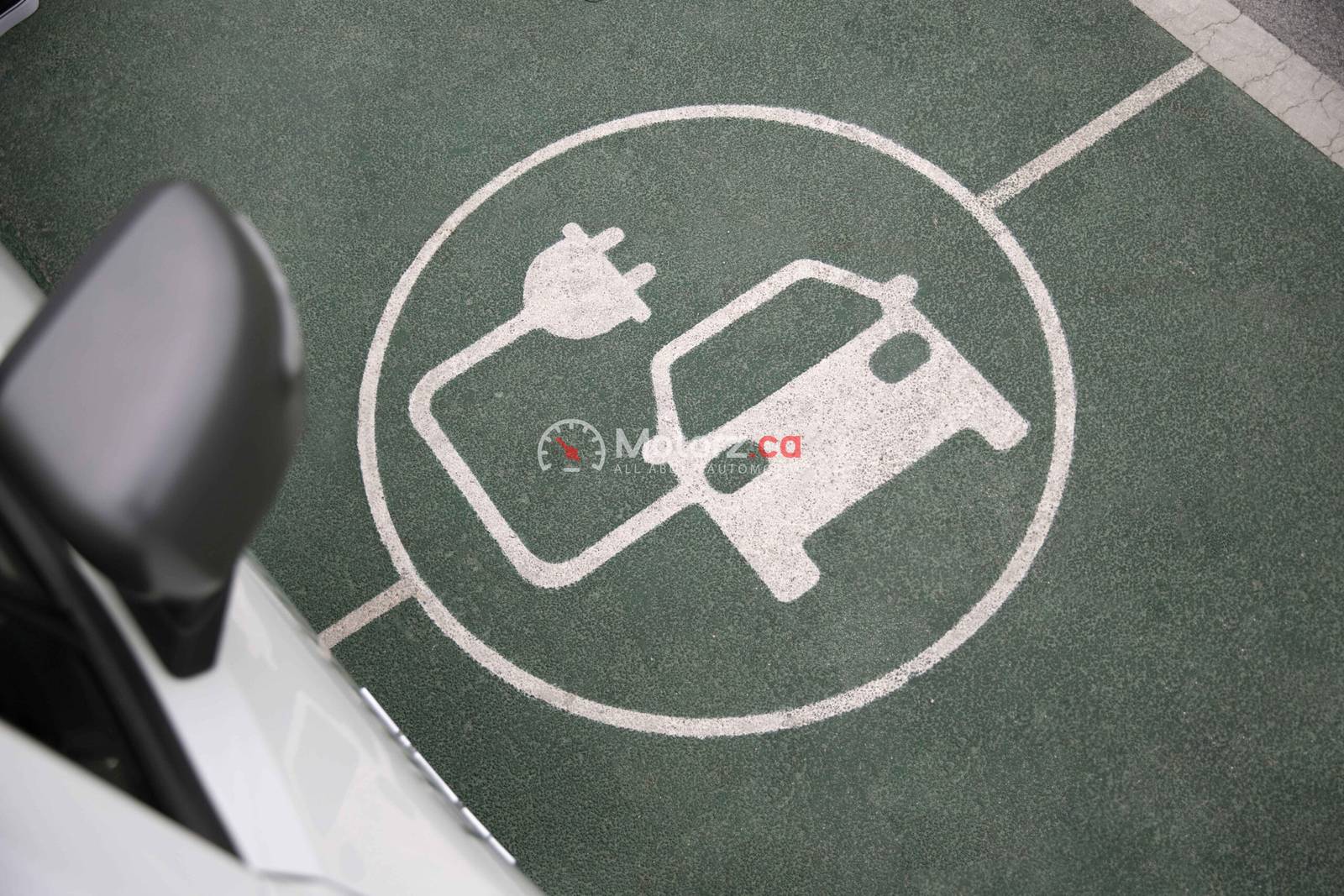
Before we map the locations, it’s vital to understand the different types of EV charging infrastructure you’ll encounter on the streets and in the parking lots of Ottawa. Not all plugs are created equal!
Level 2 (L2) Chargers: The Daily Driver’s Workhorse
Speed & Use: Level 2 chargers use a 240-volt circuit, similar to a home dryer plug, and are the most common public charger in the city. They typically add about 35 km to 45 km of range per hour. These are perfect for opportunity charging while you are at work, shopping, or enjoying a meal.
Location Strategy: You’ll find the bulk of these L2 stations at shopping centres (e.g., Carlingwood, St. Laurent), grocery stores (Farm Boy, Loblaws), community centres, and, notably, many City of Ottawa parking lots and Park and Ride locations.
Cost and Accessibility: Often priced affordably, such as a low hourly rate (e.g., $1.50 to $2.50 per hour) or a flat session fee. A significant number of EV Charging Stations, especially at some retailers, are offered as a free charging station to attract customers.
DC Fast Chargers (DCFC): Road Trip Power
Speed & Use: DCFC units deliver power directly to the car’s battery and are capable of adding 80% battery charge in as little as 20 to 40 minutes, depending on the vehicle and the charger’s output (typically 50 kW to 350 kW). These are vital for drivers traveling long distances or in high-demand areas.
Location Strategy: DCFCs are strategically placed along major transportation corridors, high-traffic commercial areas, and near highway on-ramps. Look for them at major gas station/rest stop plazas (like the Ivy Charging Network sites on the ONroute highway corridor) and dedicated charging hubs (e.g., at certain Canadian Tire locations or dedicated Electrify Canada sites).
Cost and Accessibility: These are the most expensive to use, often billed by the minute (e.g., $0.25 to $0.35 per minute) or by the kilowatt-hour (kWh), which is the new industry standard for fairness across different charging speeds.
The Future: NACS (Tesla) Integration
A major shift for 2025 is the rapid adoption of the EV Charging Stations—the plug popularized by Tesla. Most major automakers and networks (like FLO and ChargePoint) are integrating the NACS plug into new hardware, effectively standardizing the industry and dramatically increasing the accessibility of the massive Tesla Supercharger network to non-Tesla EVs in the Ottawa area. This is the charging revolution in action.
City of Ottawa Infrastructure: The FLO Backbone
The City of Ottawa has partnered extensively with FLO network to provide dozens of reliable Level 2 chargers at accessible, public locations. Key spots to look for these municipal chargers include:
Park and Ride Lots: Fallowfield, Eagleson, Chapel Hill, and Hurdman often have multiple L2 units. A great place to charge while taking the OC Transpo light rail (LRT) downtown.
Recreation Complexes: Many community rinks and pools now feature charging spots, such as the Bob MacQuarrie Recreation Complex EV Charging Stations, which also features a DCFC unit.
On-Street Parking: A growing pilot project is placing L2 chargers in residential areas, particularly in multi-unit dwelling (MURB) neighbourhoods where home charging is difficult.
The Highway Corridor: Ivy and Electrify Canada
For Ottawa residents heading to Toronto or EV Charging Stations, the DCFC hubs are essential. The Electrify Canada hub offers multiple ultra-fast plugs, and the expansion of the Ivy Charging Network along the 401 and related routes solidifies the ability to complete an inter-city EV journey with minimal downtime. Always use the network apps to check current charger availability and status before arriving.
EV Charging Costs: Home vs. Public in Ottawa
One of the biggest financial benefits of switching to an EV is the reduction in “fueling” costs. However, understanding the price difference between charging at home and using public stations is key to maximizing your savings.
The Economics of Home Charging (Level 1 & Level 2)
For over 90% of your driving needs, home EV Charging Stations is the answer, and it is dramatically cheaper.
Cost Basis: You pay Hydro Ottawa’s residential rates, especially the discounted Ultra-Low Overnight (ULO) rate, which is the most economical time to charge.
Average Cost: A full charge for a 60 kWh battery EV Charging Stations costs between $6 and $10 at home, based on Ottawa’s off-peak electricity rates. This translates to an annual energy cost of less than $500 for the average driver.
The Investment: While the initial cost of Level 2 home charger installation can range from $1,500 to $4,000 (depending on your home’s electrical panel needs), this investment pays for itself quickly compared to gasoline prices.
Public Charging Pricing Structures
Public charging is all about convenience, and its pricing reflects that premium.
L2 Public Charging: Generally billed by time (per hour). The average cost is around $2.00 per hour at City of Ottawa sites, making a four-hour top-up cost about $8.00.
DC Fast Charging: Billed by kWh or per minute. For example, the City of Ottawa’s former rate of $0.28 per minute translates to a higher price, but the speed justifies the cost when time is critical. The per-kWh model (e.g., $0.40 to $0.60 per kWh) is fairer, ensuring you only pay for the energy your car actually accepts.
Free Charging: Always look for the free EV Charging Stations at hotels, smaller retail plazas, and some businesses that offer L2 charging as a perk for their customers.
The EV Driver’s Etiquette and Map Tools
A well-charged EV owner is a happy EV owner, but only if we all adhere to the unwritten rules of the charging lot.
Mastering the Charging Apps
To navigate the Ottawa EV Charging Stations map, you need the right digital tools. Relying on your car’s built-in navigation is a start, but the dedicated apps offer the critical, real-time data you need:
PlugShare: The essential, crowd-sourced map. It shows all chargers regardless of network, including a huge amount of user-generated data (photos, check-ins, and vital reliability reviews). Always check the most recent PlugShare comments before driving to an unfamiliar station.
ChargeHub: A great all-in-one resource for EV Charging Stations, trip planning, and comparing networks across North America.
Network-Specific Apps (FLO, ChargePoint, Tesla): Necessary for activating the charger, processing payment, and viewing real-time status updates (e.g., In Use, Available, or Out of Order).
Essential Ottawa Charging Etiquette
Plug-and-Go: Once your battery is topped up (or if you’ve reached your desired level of charge), immediately move your vehicle. Charging spots are not parking spots. Idling in a charging spot after a session is complete is the most common cause of EV owner frustration.
The Cone or Note: If you are using a shared or highly sought-after L2 spot and you know your session will end soon, leaving a note with your phone number or using a EV Charging Stations to reserve the spot after you unplug can be a courteous gesture.
Don’t Unplug Others (Unless Approved): Never unplug someone else’s vehicle unless the charging session has visibly ended and there is clear signage permitting the action. Most modern apps allow the original user to be notified if their car is EV Charging Stations.
Planning Your EV Adventures from Ottawa
Ottawa’s location makes it a hub for travel to major Canadian and US cities. The robustness of the local and regional charging infrastructure is paramount for EV trip planning.
Routes to Montreal and Toronto
Montreal (East): The route is heavily supported by the Quebec-based Le Circuit Électrique network. With DCFC hubs at regular intervals, this is an easy, low-stress EV Charging Stations.
Toronto (West): As mentioned, the Ivy EV Charging Stations Network at ONroute stops is the backbone of this route, complemented by Tesla Superchargers and Electrify Canada sites. Pre-plan your two or three charging stops to minimize delay.
Dealing with Ottawa Winters (The Range Factor)
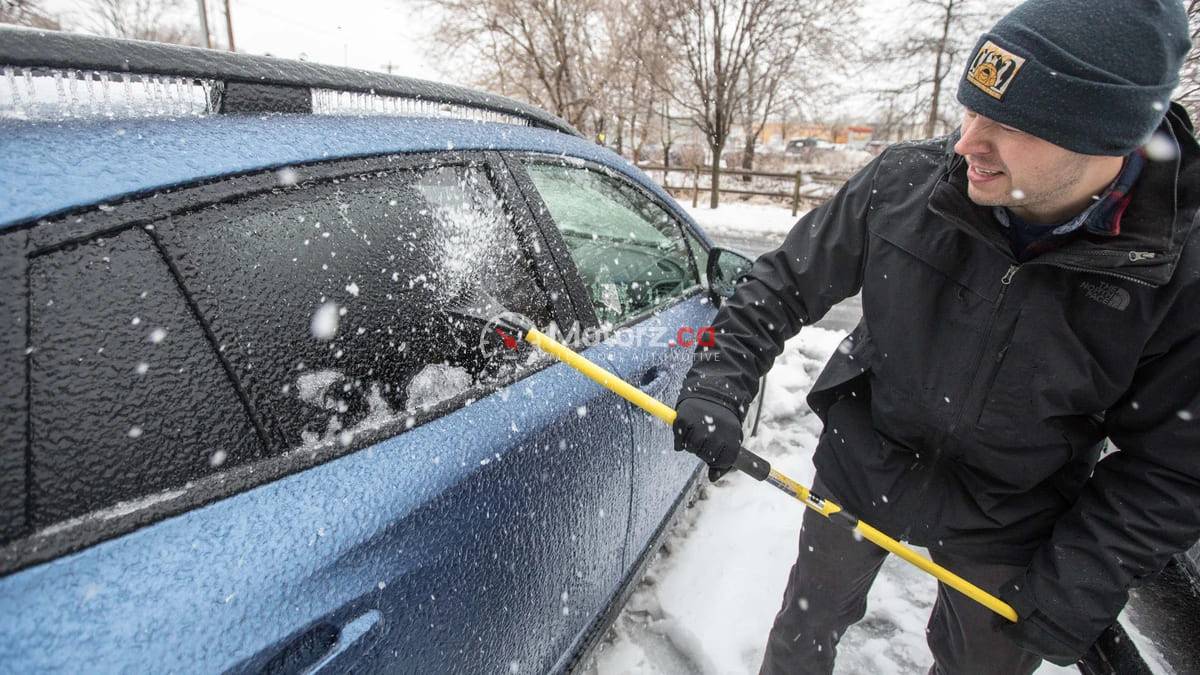
Ottawa’s harsh winter climate is a real EV Charging Stations. Extreme cold reduces a battery’s efficiency and available range—a phenomenon known as “winter range reduction.”
Strategy: Always charge to 80%−90% before a cold-weather drive and use the vehicle’s preconditioning features while EV Charging Stations in. This warms the battery and cabin using grid power, not battery power, preserving your precious range. Be aware that the charging speed at public stations will also be slower when the battery is cold.