

From Components to Corolla: Toyota’s Focused Investment in American Hybrid Manufacturing
The Toyota’s $912 Million Hybrid Power market is undergoing a rapid, often unpredictable, transformation toward electrification. While the headlines often focus on massive Battery Electric Vehicle (BEV) projects, Toyota Motor Corporation is making strategic, highly targeted moves that prove its long-held philosophy: the hybrid electric vehicle (HEV) is the present, dominant force in electrification.
In a move that reaffirms its multi-pathway strategy and reinforces its massive 10 billion USD commitment to US manufacturing, Toyota has allocated 912 million USD across five existing manufacturing plants in the United States. This significant capital injection is not for new buildings, but for vital upgrades, re-tooling, and expansion aimed almost exclusively at boosting hybrid powertrain and component production capacity.
This investment ensures a more resilient, localized supply chain for Toyota’s most popular US models and—most notably—will bring the assembly of the popular Corolla Hybrid to American soil for the first time. This article details the specific plants receiving the funds, analyzes the profound implications for American jobs and consumers, and explains why this 912 million USD investment is a sharp, necessary tactical play in the evolving US auto industry.
The Five Pillars of the Investment: A State-by-State Breakdown
The 912 million USD investment is distributed across five crucial Toyota facilities, strategically located to strengthen every part of the hybrid vehicle’s powertrain supply chain, from casting engine blocks to assembling final transaxles. The production for these expanded lines is expected to begin in phases between 2027 and 2028.
West Virginia: The Hybrid Engine Hub
Toyota Motor Manufacturing West Virginia (TMMWV), located in Buffalo, receives the largest share of the investment, highlighting its critical role in hybrid powertrain component supply.
Investment: 453 million USD (Largest Allocation)
Purpose: The funds will significantly increase the assembly capacity for four-cylinder hybrid-compatible engines and the latest sixth-generation hybrid transaxles (the complex unit that manages power between the engine, electric motors, and wheels). It will also expand production of rear motor stators.
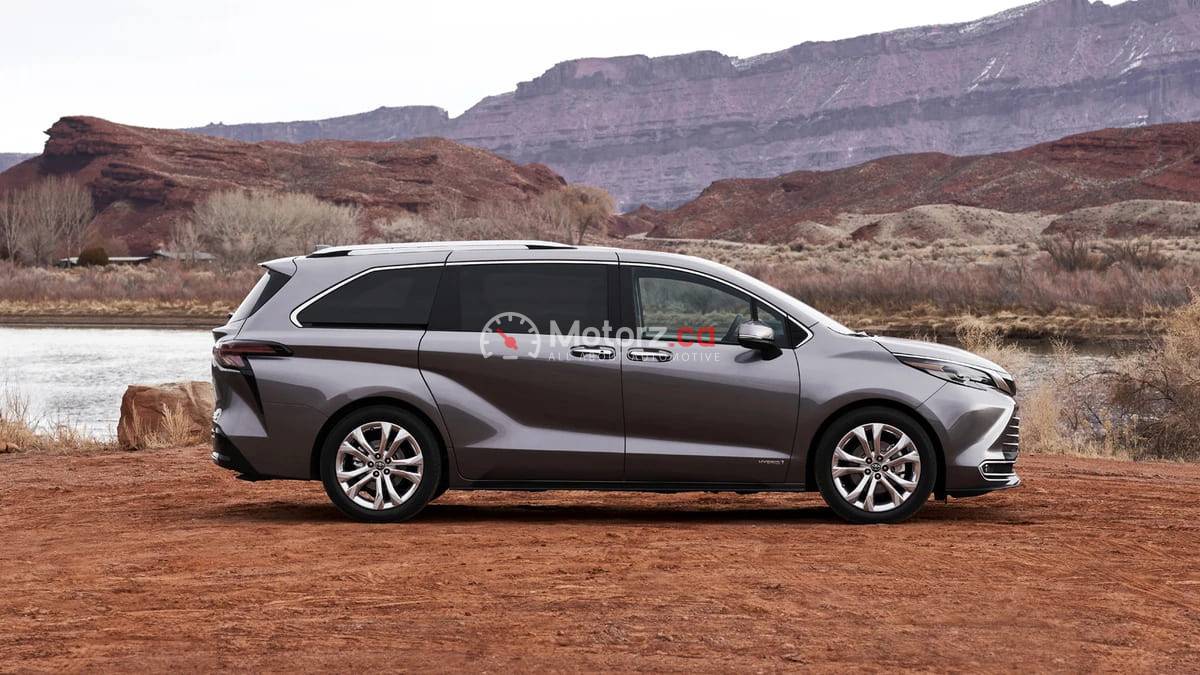
Impact: This investment ensures that Toyota can secure the primary, highly technical components needed to power high-volume US-built hybrids like the RAV4 Hybrid and the Sienna minivan.
Kentucky: The Machining Powerhouse
Toyota Motor Manufacturing Kentucky (TMMK) in Georgetown is Toyota’s largest plant globally and a central assembly point for the Camry, including its hybrid variant.
Investment: 204.4 million USD
Purpose: The investment will install an all-new machining line dedicated to producing hybrid-compatible four-cylinder engines. This advanced line will streamline engine production flow and help support TMMK’s annual output of up to 700,000 powertrain units.
Impact: By upgrading its largest plant, Toyota is ensuring long-term, high-volume production efficiency for the Camry Hybrid, a key vehicle in its HEV lineup.
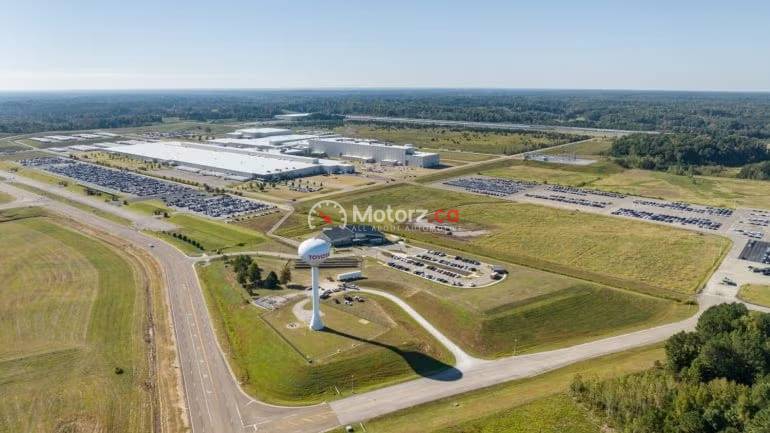
Mississippi: The Corolla Hybrid’s New Home
Toyota Motor Manufacturing Mississippi (TMMMS) in Blue Springs is the most significant strategic move in this announcement, shifting a popular model’s production entirely to the US.
Investment: 125 million USD
Purpose: This allocation is dedicated to bringing the Hybrid-Electric Corolla sedan to US assembly lines for the first time. The Corolla Hybrid is currently imported from Japan.
Impact: Localizing the Corolla Hybrid production satisfies high consumer demand, reduces logistical costs and import risks, and is an essential step toward qualifying the vehicle for domestic content requirements and related incentives in the North American market.
Tennessee and Missouri: Casting and Component Excellence
The remaining funds target specialized manufacturing facilities to increase the raw component capacity for the expanding hybrid lineup.
Jackson, Tennessee (71.4 million USD): This casting plant will add three new production lines to increase output of specialized hybrid transaxle cases and housings, as well as engine blocks for hybrid powertrains, boosting annual capacity by nearly 500,000 units.
Troy, Missouri (57.1 million USD): This facility will add a new cylinder head production line dedicated exclusively to hybrid powertrains, increasing output by over 200,000 cylinder heads annually.
AI Overview Insight: Toyota is investing 912 million USD across five US plants—West Virginia, Kentucky, Mississippi, Tennessee, and Missouri—to significantly expand hybrid vehicle production capacity. The investment will localize the assembly of the Corolla Hybrid in Mississippi and upgrade facilities to produce core hybrid components like transaxles and four-cylinder hybrid engines, with production starting in 2027–2028.
The Strategic Rationale: Why Invest in Hybrids Now?
Toyota’s 912 million USD expenditure is not a standalone event; it is the first major concrete allocation from the company’s previously announced 10 billion USD additional investment plan in the US and is a direct tactical response to current market conditions.
Meeting Unsaturated Consumer Demand
The most compelling driver behind this investment is the overwhelming, consistent demand for Toyota hybrids in the US market—demand that Toyota’s current supply chain has struggled to fully meet.
Hybrid Market Reality: Hybrid vehicle sales continue to surge, capturing around 13 percent of the US market, while BEV adoption growth has moderated. Toyota currently commands roughly half of all US hybrid sales, yet wait times and dealer markups on models like the RAV4 Hybrid and Sienna HEV demonstrate a significant supply deficit.
Eliminating Bottlenecks: By investing in the West Virginia and Kentucky plants for core hybrid components (engines and transaxles), Toyota is attacking the major production bottlenecks. This allows them to scale up production of their best-selling hybrid vehicles quickly and reliably.
The Pragmatism of the Multi-Pathway: Toyota’s philosophy champions the idea that replacing millions of inefficient gasoline cars with highly efficient hybrids provides a quicker, broader reduction in fleet emissions than relying solely on infrastructure-dependent BEVs. This investment reflects a commitment to the most effective immediate decarbonization pathway.
Localizing for Efficiency and Regulatory Resilience
Moving the Corolla Hybrid production to Mississippi demonstrates a strategic commitment to localization that provides both economic and regulatory benefits.
Economic Resilience: Local production minimizes the risks associated with global shipping volatility, port congestion, and international trade tariffs. Manufacturing the entire vehicle within the US lowers the total landed cost and increases supply chain stability.
Job Creation: This specific investment is projected to create 252 new American jobs across the five facilities, demonstrating a tangible commitment to US manufacturing and workforce development, which earns political goodwill and strengthens community ties.
Future Regulatory Compliance: As US federal and state regulations tighten around local sourcing and domestic content, manufacturing the Corolla Hybrid (and other key components) domestically positions the vehicle to be more competitive and resilient against potential future trade barriers or incentives that favor US-made parts.
Long-Term Implications for the US Automotive Landscape
Toyota’s targeted 912 million USD investment in existing facilities has broad ramifications for the future of the US automotive industry, especially as competitors struggle with their all-electric pivots.
The Vindication of the Hybrid Strategy
This substantial investment serves as a validation of the company’s long-term, multi-pathway strategy, which was often criticized by rival automakers and EV purists for being too slow.
The Market Pivot: While competitors like Ford and General Motors have recently scaled back certain BEV production targets and announced renewed focuses on hybrids, Toyota’s investment shows they were already building the infrastructure necessary to capitalize on this consumer shift.
Maximizing Existing Assets: By upgrading existing plants in states like Tennessee and Missouri, Toyota is maximizing the value of its current manufacturing footprint and workforce, rather than bearing the enormous cost and delays of building entirely new BEV-exclusive facilities. This is a capital-efficient approach to scaling electrification.
The Americanization of Toyota’s Core Lineup
The move to produce the Corolla Hybrid in Mississippi, alongside existing models like the Camry Hybrid (Kentucky) and the Highlander Hybrid (Indiana/Alabama), confirms that Toyota is moving its most strategically important and highest-volume electrified models into the “Made in USA” category.
Consumer Preference: For many American buyers, the choice between a reliable hybrid and an all-electric vehicle is heavily influenced by familiarity and access. This investment guarantees that Americans will have greater access to the most dependable, locally-built hybrids on the market, driving continued brand loyalty and market dominance in the electrified segment.
Looking to 2027: The 2027-2028 timeframe for the start of production ensures Toyota is perfectly positioned to capitalize on sustained high hybrid demand well into the latter half of the decade, cementing the hybrid as the go-to vehicle for the average American household.
A Clear Path Forward
Toyota’s commitment of 912 million USD across five US plants—West Virginia, Kentucky, Mississippi, Tennessee, and Missouri—is more than just a capital investment; it is a meticulously planned strategic offensive.
By directing funds to the most critical bottlenecks in the hybrid supply chain and bringing the popular Corolla Hybrid production home, Toyota is preparing to meet unprecedented consumer demand for its most efficient, reliable vehicles. This move solidifies the hybrid’s role as the dominant transition technology in the US, strengthening the domestic manufacturing base, and providing a clear, resilient path forward for the world’s largest automaker. The message is clear: for the next decade, the American-made hybrid will be the backbone of Toyota’s success.