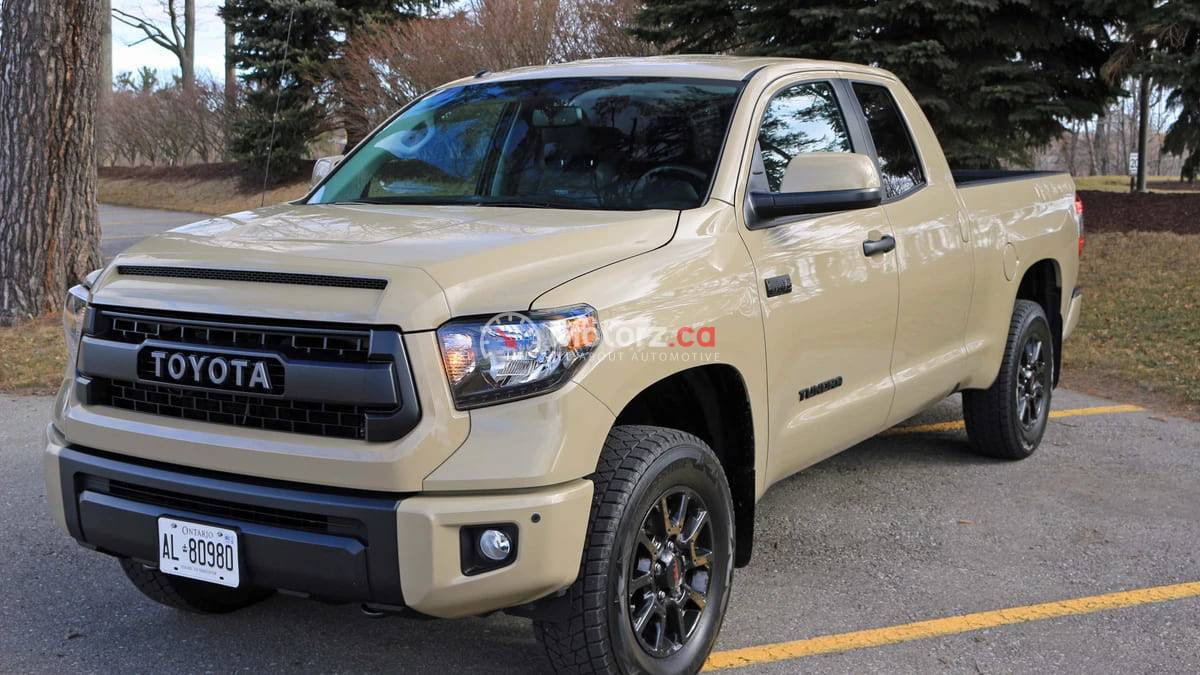
For nearly Toyota Tundra Recall, the Toyota Tundra has been the benchmark for reliability in the full-size pickup segment. Whether you are hauling gear to a job site in Vancouver or towing a boat through the rugged terrain of the Alberta Rockies, Tundra owners expect their trucks to be bulletproof. However, even the most legendary workhorses occasionally face a hurdle.
Toyota has officially issued a recall affecting approximately 79,000 Tundra pickups from the 2016 and 2017 model years. This announcement has sent ripples through the automotive community, particularly for those who rely on these trucks for daily utility. In the world of “The Corner Wrench,” we know that a recall notice can be stressful, but it is also an essential part of maintaining your vehicle’s safety and resale value.
At Motorz, we believe in proactive ownership. Today, Lorraine Explains the specifics of this recall, the potential risks involved, and the exact steps you should take to ensure your truck remains a safe and dependable partner on the road.
The Core Issue: Why Are These Tundras Being Recalled?
Recalls happen for many reasons, ranging from Toyota Tundra Recall glitches to critical mechanical failures. For the 2016 and 2017 Tundra, the issue focuses on a specific component that could impact the vehicle’s stability and towing performance.
The Specific Component at Risk
The recall centers on the rear step bumper and its mounting structure. According to the National Highway Traffic Safety Administration (NHTSA) and Toyota’s internal safety audits, certain resin-reinforced brackets used in these bumpers may not have the long-term structural integrity required under heavy stress.
The Failure Mechanism
Over time, environmental factors—especially the harsh road salts and extreme temperature swings we experience across Canada—can cause these resin brackets to degrade. If a person steps on the corner of the bumper to access the truck bed, or if the bumper is subjected to an impact, the bracket can break. This could cause a portion of the bumper to detach or lead to a fall and injury for the user.
Identifying Your Vehicle: Is Your Truck on the List?
With 79,000 units affected, not every 2016 or 2017 Tundra is part of this specific action. Knowing how to verify your truck’s status is the first step in resolving the issue.
Check Your VIN (Vehicle Identification Number)
The VIN is your truck’s unique fingerprint. You can find it on a small metal plate on the driver’s side dashboard (visible through the windshield) or on the sticker inside the driver’s side door jamb.
The Process: Visit the Toyota Canada or Toyota USA recall website and enter your 17-digit VIN. The system will instantly tell you if there are any open recalls for your vehicle.
NHTSA Search: You can also use the NHTSA recall look-up tool to check for any safety-related bulletins issued by the government.
Production Dates and Trim Levels
While the recall covers the 2016 and 2017 model years, it primarily affects trucks equipped with the resin-bracket bumper assemblies. If your Tundra has a specialized aftermarket steel bumper or a different factory configuration, you may still want to verify your VIN to be certain.
The Repair Process: What Happens at the Dealership?
The good news is that Toyota has a clear remedy in place for affected owners. Recalls are performed by authorized dealerships to ensure that the work meets factory standards.
The Remedy Explained
Once you take your truck to a Toyota service center, technicians will inspect the rear bumper brackets. If your vehicle is confirmed to have the affected parts, Toyota will replace the resin-reinforced brackets with updated steel brackets. These new components are designed to withstand significantly more stress and environmental wear.
Cost and Time Commitment
Under federal law, all recall repairs must be performed free of charge. You will not have to pay for parts or labor.
Time: The physical replacement of the brackets usually takes between one and two hours. However, due to the number of vehicles involved, we recommend calling your local dealership in advance to ensure they have the parts in stock and to schedule a dedicated appointment.
Why You Shouldn’t Ignore This Recall
It is tempting to put off a recall repair, especially if your bumper feels “fine” today. However, ignoring a safety notice can have long-term consequences for both your safety and your truck’s value.
Safety Concerns
The primary risk is a “trip and fall” injury. If you or a passenger uses the bumper to step into the bed and the bracket fails, a serious injury could occur. Furthermore, if the bumper becomes loose, it could potentially interfere with the vehicle’s lighting or towing harness, creating a hazard on the highway.
Impact on Resale Value
In the modern used car market, savvy buyers always check for open recalls. If you try to sell your 2016 or 2017 Tundra and a potential buyer sees an unresolved safety recall on the report, it can significantly lower their confidence in your maintenance habits. Completing the recall preserves the “bulletproof” reputation that makes the Tundra so valuable in the second-hand market.
Taking Action for Your Tundra
The 2016 and 2017 Toyota Tundra remains one of the best pickups on the road. This recall is a minor bump in the road for an otherwise stellar vehicle, and taking care of it now will keep your truck in peak condition for years to come.
Verify: Check your VIN on the Toyota website immediately.
Contact: Call your local Toyota dealership to confirm parts availability for the bumper bracket update.
Schedule: Set an appointment to have the work done at your convenience.
Document: Keep the service record in your glove box to show that the recall has been performed.
At Motorz, we want to make sure every Tundra owner stays safe and informed. These trucks are built to last a lifetime, and addressing a recall like this is just another part of the journey. Whether you are driving through the snow-covered streets of Quebec or the dusty trails of the Okanagan, make sure your bumper is as tough as the rest of your truck.