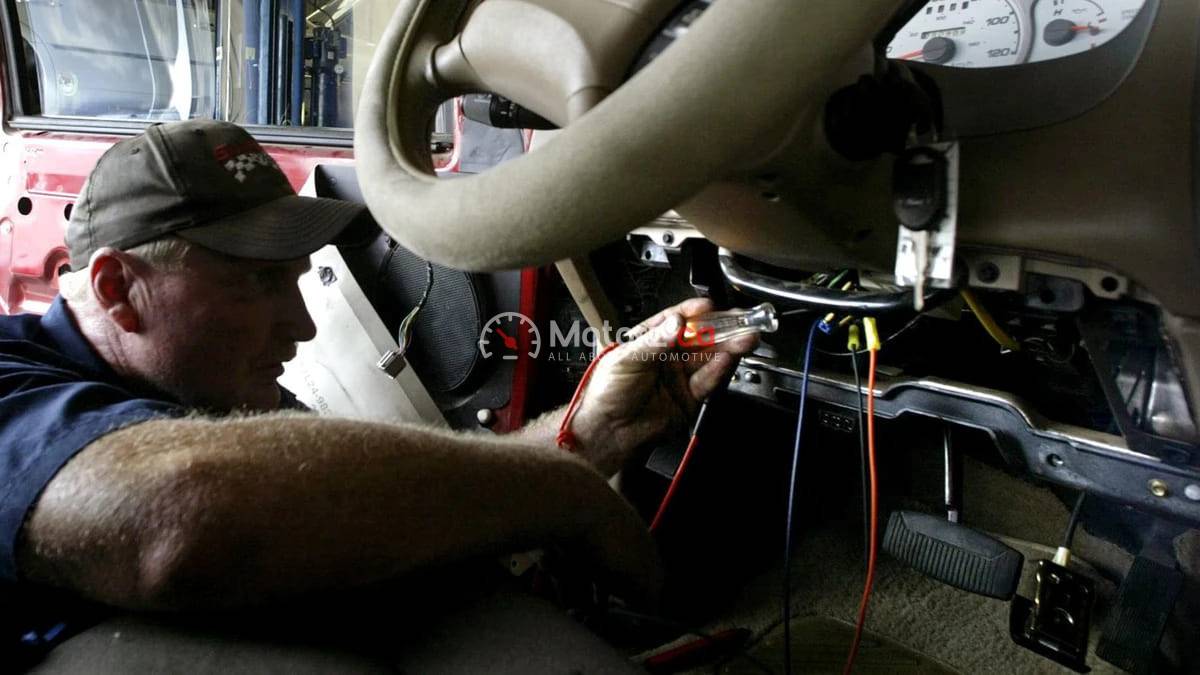
You turn the key—or press the start button—and your Electrical Repairs to life. The dashboard glows, the infotainment system boots up, and sensors begin scanning the road ahead. It feels like magic, but beneath the leather and plastic lies a complex, pulsing network of copper, plastic, and silicon. In the world of “The Corner Wrench,” we often refer to a car’s electrical system as a “bed of snakes.” Why? Because when something goes wrong, you are faced with miles of multi-colored wires that can look like an impenetrable, tangled mess.
In 2026, the complexity of vehicle wiring has reached an all-time high. With the transition to software-defined vehicles (SDVs) and the proliferation of Advanced Driver Assistance Systems (ADAS), your car is essentially a high-powered computer on wheels. A single broken wire or a corroded connector can shut down your cruise control, disable your airbags, or prevent your engine from starting entirely.
But don’t let the “bed of snakes” intimidate you. While modern electrical systems are daunting, they follow the same laws of physics they did fifty years ago. Today, Motorz is pulling back the loom to show you how vehicle wiring works, why it fails, and how you can diagnose electrical gremlins without losing your mind.
The Electrical Repairs: Understanding Your Wiring Harness
Every modern car has a “nervous system” known as the wiring harness. This is a collection of wires, terminals, and connectors that run through every pillar and panel of your vehicle.
The CAN-Bus Revolution
Gone are the days when every light had its own dedicated Electrical Repairs running to a switch. In 2026, most vehicles use a Controller Area Network (CAN-Bus). This allows different modules (like the engine computer and the window motor) to “talk” to each other using a shared highway of just two wires. It’s efficient, but it means a single “short” in the dash can cause your taillights to blink or your wipers to turn on for no reason.
Wire Gauges and Insulation
Automotive wire is different from the stuff in your house. It is designed to be flexible and resistant to extreme heat, vibration, and chemicals.
The Gauge: The thickness of the wire determines how much current it can carry. Using a wire that is too thin for a high-draw component (like a radiator fan) is a fire hazard.
The Insulation: Modern cars often use soy-based wire insulation. While eco-friendly, this has created a unique problem: rodents love the taste. We’ve seen many “electrical failures” that were actually just a squirrel having a snack.
Why the “Snakes” Bite: Common Causes of Wiring Failure
Wiring doesn’t usually just “break” on its own. It is almost always a victim of its environment.
Corrosion: The Silent Killer
In the Canadian context, road salt and brine are the greatest enemies of electrical systems. If a connector isn’t perfectly sealed, salt water can wicking up the wire insulation. This creates green crusty corrosion (copper oxide), which increases resistance and eventually breaks the connection. This is why we emphasize undercoating at The Corner Wrench—it protects your wires just as much as your frame.
Vibration and Chafing
Cars move, and so do the wires inside them. If a plastic clip breaks and a wiring loom starts rubbing against a sharp metal bracket or a moving part like a steering shaft, the insulation will eventually wear through. This creates a “short to ground,” which pops fuses and can lead to mysterious, intermittent electrical issues that only happen when you hit a bump.
Poor DIY Repairs
We see it all the time: someone installs a new light bar or a dashcam using “vampire clips” or by simply twisting wires together and wrapping them in electrical tape. These are temporary fixes that lead to permanent headaches. Mechanical vibration will pull those twists apart, and electrical tape eventually turns into a sticky, useless mess.
Mastering the Multimeter: Your Electrical Eyes
If you want to tackle the bed of snakes, you need a digital multimeter. This tool allows you to “see” what electricity is doing.
Checking for Continuity
Continuity testing tells you if a wire is broken. If you touch the probes to both ends of a wire and the meter beeps, the path is clear. If it stays silent, the “snake” is severed somewhere in the middle.
Measuring Voltage Drop
This is a pro-level tip from The Corner Wrench. Sometimes a wire isn’t fully broken, but it is so corroded that it can’t carry the proper “load.” Measuring voltage drop across a connector helps you identify high resistance—the hidden culprit behind dim headlights and slow power windows.
Parasitic Draw Testing
Is your battery dead every Monday morning? You likely have a “parasitic draw.” By using your multimeter to see how much current is being pulled from the battery while the car is off, you can pull fuses one by one until the draw drops. This tells you exactly which circuit is staying “awake” and draining your power.
The Right Way to Fix a Wire: Solder vs. Crimp
When a wire breaks, you have two choices for a permanent repair. Both have their place in 2026, but the rules have changed.
The Case for Heat-Shrink Crimps
In high-vibration areas (like under the hood), a high-quality crimp connector is often better than solder. Solder makes the wire rigid, which can lead to it snapping right at the edge of the joint due to vibration. Use a ratcheting crimper and a connector with built-in heat-shrink insulation to seal out the salt and moisture.
Soldering for Precision
Soldering is ideal for interior wiring or delicate sensor repairs where resistance must be kept to an absolute minimum. However, you must always protect a soldered joint with adhesive-lined heat shrink. This provides the structural support the wire needs to stay flexible.
What to Avoid
Never use “wire nuts” designed for home electrical work. They are not designed for vibration and will fall off. Also, avoid “scotch locks” or T-taps, as they cut into the copper strands, weakening the wire and inviting corrosion.
Navigating the Electrical Maze
Vehicle wiring can feel like a bed of snakes, but it is a logical system that can be mastered with patience. To keep your car’s nervous system healthy:
Seal your connections: Use dielectric grease in connectors to keep moisture out.
Secure your looms: Ensure every wiring harness is clipped tightly and away from heat sources.
Trace, don’t guess: Use a wiring diagram and a multimeter rather than “throwing parts” at an electrical problem.
At Motorz, we know that electrical work requires a steady hand and a clear head. By understanding the flow of power and respecting the complexity of the CAN-Bus, you can tame the snakes and keep your 2026 vehicle running smoothly for years to come.