

You bought a new Car Repairs with a “bumper-to-bumper” promise, feeling invincible against the rising costs of automotive repairs. Then, the unthinkable happens: a strange noise, a warning light, or a mechanical failure occurs. You confidently head to the dealership, expecting a free fix, only to be met with those dreaded words: “I’m sorry, this isn’t covered by your warranty.”
The shock and frustration that follow can be overwhelming. How can a comprehensive warranty suddenly have holes in it? The truth is that automotive warranties are legal contracts with very specific boundaries. Understanding what happens when damage is not covered by warranty—and why—is essential for every vehicle owner.
In this Troubleshooter guide, we will break down the common reasons for warranty denial, explain the difference between wear-and-tear and manufacturing defects, and provide a roadmap for your next steps when you are left holding the bill.
The Warranty Myth: Car Repairs Doesn’t Mean Everything
The term Car Repairs is one of the most successful marketing phrases in history, but it is technically a misnomer. No warranty covers every single square inch of a vehicle under every circumstance.
Manufacturing Defects vs. Everything Else
A factory warranty is essentially a guarantee from the manufacturer that they built the car correctly. It is designed to cover defects in materials or workmanship.
Covered: A transmission seal that fails at 10,000 miles due to a factory assembly error.
Not Covered: A transmission that fails because you used the car to tow a boat that exceeded the vehicle’s weight limit.
The Exclusion List
Every warranty booklet has a section titled “What is Not Covered.” This typically includes glass, upholstery, light bulbs, and “soft” trim pieces. These items are subject to environmental damage and owner care, making it difficult for a manufacturer to guarantee their lifespan.
Common Reasons for Warranty Claim Denial
When a dealership denies a claim, it is usually because the failure falls into one of four “gray areas.”
Lack of Maintenance Records
If your engine seizes and you cannot prove that you changed the oil according to the manufacturer’s schedule, your warranty is effectively void for that repair. Manufacturers require a “paper trail” to ensure the failure wasn’t caused by owner neglect.
Tip: Always keep digital or physical copies of every oil change, even if you do it yourself.
Environmental Damage and “Acts of God”
Warranties cover what happens inside the factory, not what happens outside in nature.
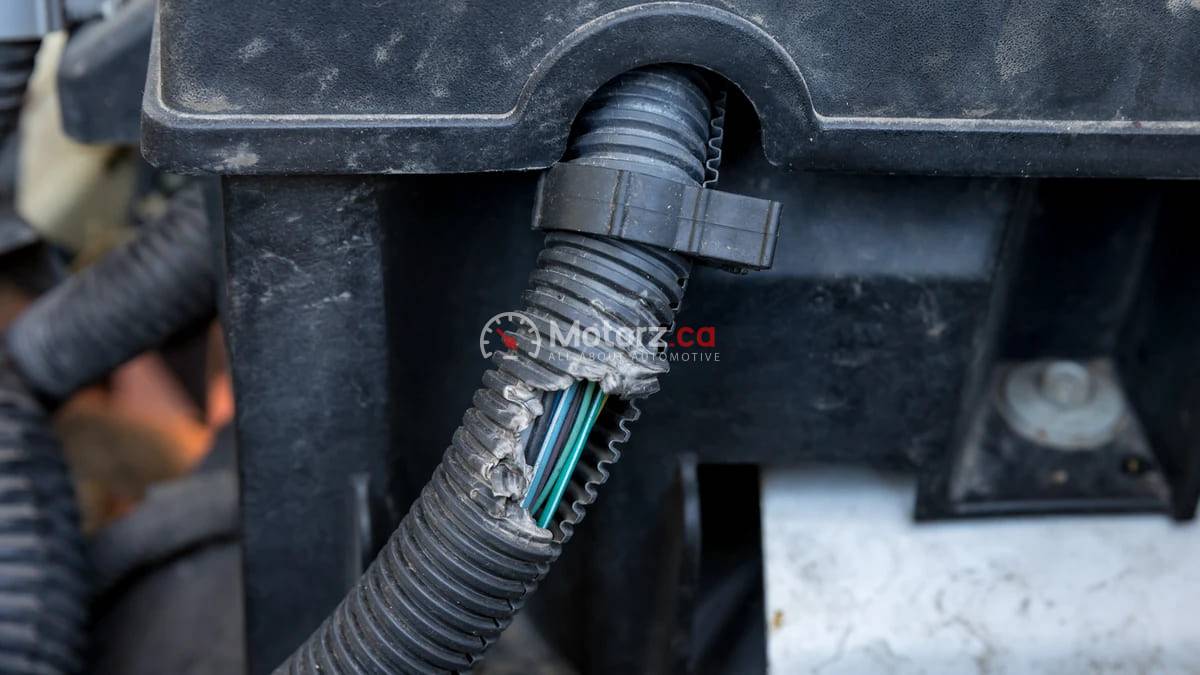
Rodent Damage: If a squirrel chews through your soy-based wiring harness, the manufacturer is not responsible.
Weather: Hail damage, flooding, or sap etching into the paint are considered insurance matters, not warranty issues.
Aftermarket Modifications
Under the Magnuson-Moss Warranty Act, a manufacturer cannot void your entire warranty just because you added an aftermarket part. However, they can deny a specific claim if they can prove that the aftermarket part caused the failure.
Example: If you install a “lift kit” on your truck and the universal joints in your drivetrain fail, the dealership will likely deny the repair, blaming the altered suspension angles.
Wear and Tear Items
Brake pads, tires, wiper blades, and clutches are designed to wear out. Unless they fail prematurely due to a defect (usually within the first 12,000 miles), you are responsible for their replacement.
What to Do When a Claim Is Denied
If you believe a denial is unfair, you don’t have to accept the first “no” you hear.
Ask for a Detailed Explanation
Request a written report stating exactly why the claim was denied. Does the technician believe there was “outside influence” or “misuse”? Having this in writing allows you to gather evidence to the contrary.
Contact the Manufacturer’s “Zone Representative”
Dealerships are independent businesses. If the dealer says no, you can escalate the issue to the manufacturer’s corporate office (often called “Customer Relations” or the “Regional Manager”). They have the authority to offer a Goodwill Repair.
The Power of Goodwill
If you are a loyal customer who has had all your services performed at the dealership, the manufacturer may cover a portion of the repair cost even if it is technically out of warranty. This is often a 50/50 split or a “parts only” coverage. It never hurts to ask politely for a “Goodwill Adjustment.”
Financial Alternatives: How to Pay for Non-Covered Repairs
When the warranty fails you, you are back in the “pay-as-you-go” world. Here is how to manage the cost.
Check Your Insurance Policy
Some mechanical failures are actually the result of road hazards or accidents. If your suspension broke because you hit a massive pothole, your Collision or Comprehensive Insurance might cover the repair after you pay your deductible.
Independent Repair Shops
Dealership labor rates are typically the highest in the industry. If a repair isn’t covered by warranty, you are no longer obligated to use the dealer. A reputable independent mechanic can often perform the same repair using high-quality parts for 30 percent to 50 percent less.
Certified Rebuilt Parts
For major failures like engines or transmissions, ask about “remanufactured” components. These are often better than “used” parts from a junkyard because they have been stripped down and rebuilt to factory specs, often coming with their own 12-month warranty.
Protecting Yourself for the Future
To avoid future “warranty heartaches,” adopt these three habits:
Read the Fine Print: Spend 20 minutes reading the “Exclusions” section of your warranty booklet. Knowing what isn’t covered helps you budget for the future.
Document Everything: Use a folder to track every receipt, from car washes to major services.
Address Issues Early: If you hear a noise at 35,000 miles and your warranty ends at 36,000, don’t wait. If the part fails at 36,001 miles, it is much harder to get covered.
Turning a “No” Into a Plan
Finding out that damage is not covered by warranty is a frustrating rite of passage for many car owners. However, a denial isn’t the end of the road. By understanding the specific reasons for the exclusion, exploring “Goodwill” options, and knowing when to transition to a trusted independent mechanic, you can manage the situation without breaking the bank.
Your car is a complex machine, and the warranty is a specific safety net. When you fall outside that net, stay calm, ask for documentation, and remember that you have the right to seek a second opinion.