
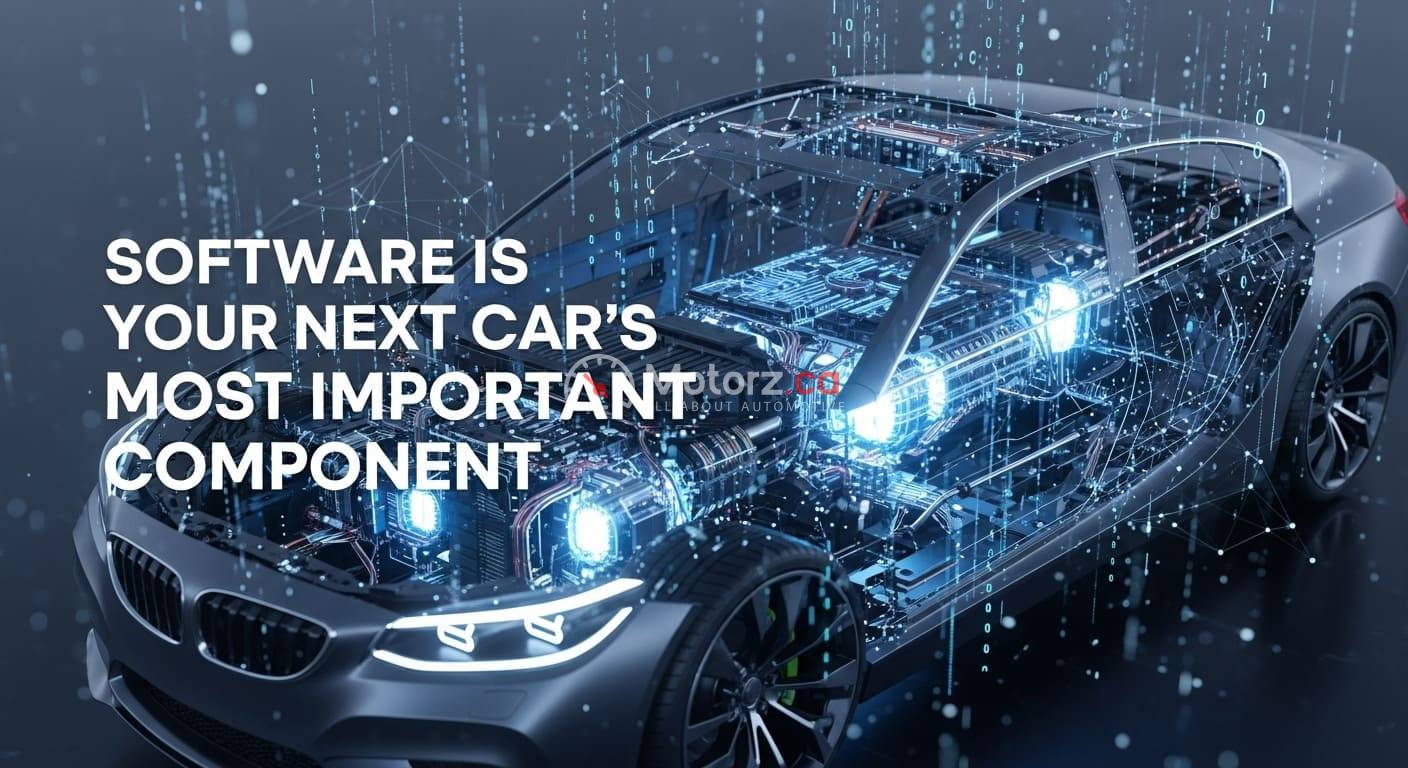

For over a century, the value of an Software is Your Next Car’s was measured by its hardware: the size of its engine, the quality of its steel, the complexity of its transmission. When you bought a new car, its performance, features, and capabilities were fixed the moment it rolled off the assembly line. That era is over. We are now in the midst of the Software Defined Vehicle (SDV) revolution, a tectonic shift that places sophisticated software, not horsepower, at the center of the driving experience.
In a Software Defined Software is Your Next Car’s, the core functions—from the way the suspension handles a corner to the look of the digital dashboard and the safety features—are predominantly controlled, customized, and continuously improved through code. This transformation has monumental implications for everything you know about car ownership: how you buy a car, how you use it, and how long it remains relevant.
The SDV is not just a car with a large Software is Your Next Car’s; it is a connected computer on wheels. This fundamental change is the single most important factor shaping the automotive industry today. It promises to deliver a driving experience that is perpetually evolving, personalized, and smarter, fundamentally changing the relationship between the driver and their machine. If you’re buying a car in the next few years, understanding the SDV revolution is the key to choosing a vehicle that won’t be obsolete the day you drive it home.
What is a Software Defined Software is Your Next Car’s?
To truly grasp the shift, we must define what makes a Software is Your Next Car’s”software defined.” An SDV is an automobile whose functionalities are primarily enabled through its software layer, built upon a consolidated, high-performance computing architecture.
Centralized E/E Architecture
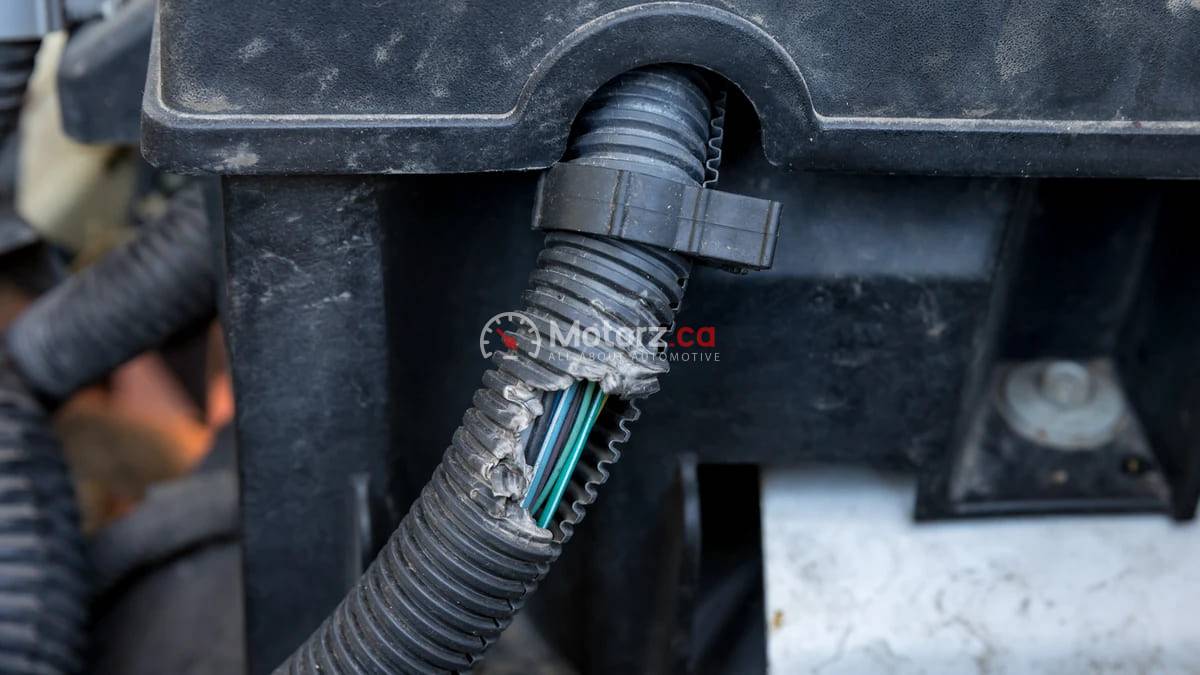
The foundation of the SDV is a radical departure from the traditional electrical/electronic (E/E) architecture. Older cars relied on a fragmented system of dozens, sometimes over a hundred, small, dedicated microcontrollers (ECUs – Electronic Control Units) for every function—one for the windows, one for the climate control, one for the brakes, and so on.
The SDV replaces this spaghetti of systems with a centralized, or “Software is Your Next Car’s,” architecture. This uses a handful of powerful, high-performance computers (HPCs) to manage entire zones or domains of the vehicle, connected by a high-speed backbone, typically automotive Ethernet.
Simplification: This dramatically reduces the complexity of wiring and the number of physical components required, lowering manufacturing costs and failure points.
Consolidation: Functions like propulsion, chassis Software is Your Next Car’s, safety systems, and infotainment are unified under a single, cohesive software platform, allowing them to work together seamlessly.
The Power of Over-the-Air (OTA) Updates
The most recognizable feature of an SDV is the Over-the-Air (OTA) software update, which is a core capability enabled by the centralized architecture. Just like your smartphone, an SDV can download new software packages via Wi-Fi or cellular connection, fundamentally altering its functionality without ever visiting a dealership.
New Features After Purchase: OTA updates mean your Software is Your Next Car’s is not a static product. Manufacturers can deploy entirely new features months or even years after you buy the car, such as enhanced Advanced Driver Assistance Systems (ADAS), new infotainment applications, or better battery management software for electric vehicles.
Performance Improvements: Software updates can fine-tune efficiency, increase power output, adjust suspension damping, and even improve the vehicle’s range or charging speed. Your car can genuinely get better over time.
Maintenance and Fixes: Critical security patches, bug fixes, and recalls can be deployed instantly and remotely to the entire fleet, saving time and money for both the consumer and the manufacturer. This shift transforms the product development cycle from a single, final release to a continuous, agile iteration process.
The Value Proposition: Why SDVs are Better for Owners
The benefits of the Software Defined Vehicle extend far beyond cool new features—they touch every aspect of the ownership experience.
Personalization and Customization
Your car becomes a personalized extension of your digital life. SDVs enable deep customization that goes beyond simply changing the wallpaper on the screen.
Tailored Driving Profiles: Software allows the car to adapt the powertrain responsiveness, steering feel, and braking characteristics to the individual driver profile.
Feature-on-Demand: The future of the SDV Software is Your Next Car’s the ability to subscribe to, or temporarily activate, certain features—such as enhanced autonomous driving capabilities for a long trip or heated seats for a cold month—a new revenue stream for the OEM and a new flexibility for the owner.
Extended Vehicle Lifespan and Relevance
One of the biggest problems with conventional cars is rapid obsolescence. New technology quickly dates the vehicle. SDVs turn this dynamic on its head.
Defying Depreciation: By receiving continuous updates, the SDV retains functional relevance much longer than its hardware-centric predecessors. A five-year-old SDV can have the latest features of a new model, provided the underlying hardware supports them. This could slow the rate of depreciation, making the vehicle a better long-term investment.
Predictive Maintenance: Software can constantly monitor the health of hundreds of components. Advanced diagnostics can predict failures before they occur, alerting the driver and scheduling service automatically. This moves maintenance from reactive (fixing a broken part) to predictive (preventing a failure), drastically improving reliability and reducing unexpected breakdowns.
Enabling the Autonomous Future
Level 4 and Level 5 autonomous driving is only possible through an SDV architecture. The complexity of self-driving requires:
Massive Compute Power: Centralized high-performance computing is necessary to process the massive amounts of data flowing from cameras, radar, and lidar sensors in real-time.
Continuous Learning: Autonomous systems require constant retraining and software updates based on data collected from the fleet. An SDV architecture allows for the rapid deployment of these algorithms, making the vehicle safer and smarter with every drive.
Key Technologies Driving the SDV Evolution
The SDV is powered by several cutting-edge technological innovations borrowed from the IT and consumer electronics sectors.
Artificial Intelligence and Machine Learning
AI is not just a feature; it is integral to the SDV’s operation.
AI-Powered ADAS: Machine learning models are continuously refined to improve the accuracy and speed of perception—identifying pedestrians, cyclists, and road signs in all weather conditions.
Conversational AI: The next generation of in-car assistants will use advanced AI, like large language models, to handle complex, natural-language requests, transforming the infotainment system into an intelligent co-pilot.
High-Performance Processors and Zonal Controllers
The new E/E architecture requires powerful processors designed for automotive safety and high-speed data transfer.
Chip Consolidation: Instead of relying on low-power, single-function chips, SDVs use specialized processors (often from companies like NVIDIA and Qualcomm) capable of handling billions of operations per second for AI and core vehicle control.
High-Speed Connectivity: Ethernet backbones inside the car, replacing older, slower communication protocols, are essential for ensuring that critical safety commands—like braking or steering adjustments—are executed in milliseconds across different vehicle domains.
Digital Twins and Simulation
Manufacturers are using digital twin technology—a virtual replica of the physical vehicle—to speed up development and ensure safety.
Virtual Testing: New software updates are tested in a highly realistic simulated environment before being deployed to the physical car. This allows engineers to safely run millions of virtual miles in a fraction of the time, checking for bugs and unintended consequences in safety-critical systems. This rigorous, software-based validation is what enables the rapid pace of SDV development.
The Road Ahead: Challenges and the Dark Side of Software
While the SDV future is bright, it presents significant challenges that must be addressed for mainstream success.
Cybersecurity: The New Vulnerability
A connected car is an exposed car. As vehicles become more reliant on software and cloud connectivity, the risk of cyberattacks rises dramatically.
Increased Attack Surface: Every connection point—from the Wi-Fi antenna to the cellular modem and the APIs used for remote diagnostics—represents a potential entry point for a hacker.
Safety Critical Systems: A successful attack could compromise the vehicle’s control systems (steering, braking), posing a severe physical safety risk. The industry is responding with stronger “security-by-design” principles, implementing hardware security modules (HSMs), and adhering to new global regulations like UN R155.
Consumer Trust and Monetization Models
Traditional automakers are grappling with how to build the same level of customer trust in their software that was once reserved for their mechanical engineering. Furthermore, the shift to a software-first model introduces new commercial dynamics.
Subscription Fatigue: The move toward monetizing features through subscriptions (e.g., paying a monthly fee to unlock a feature like Super Cruise or enhanced range) has met with consumer resistance. Manufacturers must balance a new, recurring revenue stream with the value proposition for the owner.
Data Privacy: SDVs generate massive amounts of data on driving habits, location, and vehicle usage. Consumers must be assured that this data is protected, anonymized, and used responsibly for vehicle improvement, not invasive marketing.
Software Talent and Culture Shift
The SDV revolution requires automakers—historically mechanical engineering behemoths—to become world-class software developers.
Cultural Integration: This requires a fundamental culture shift, embracing agile development, continuous integration, and attracting top-tier software and AI talent. The winners in the SDV race will be those who master the art of vertical integration, owning the entire stack from the silicon chip to the user interface.