

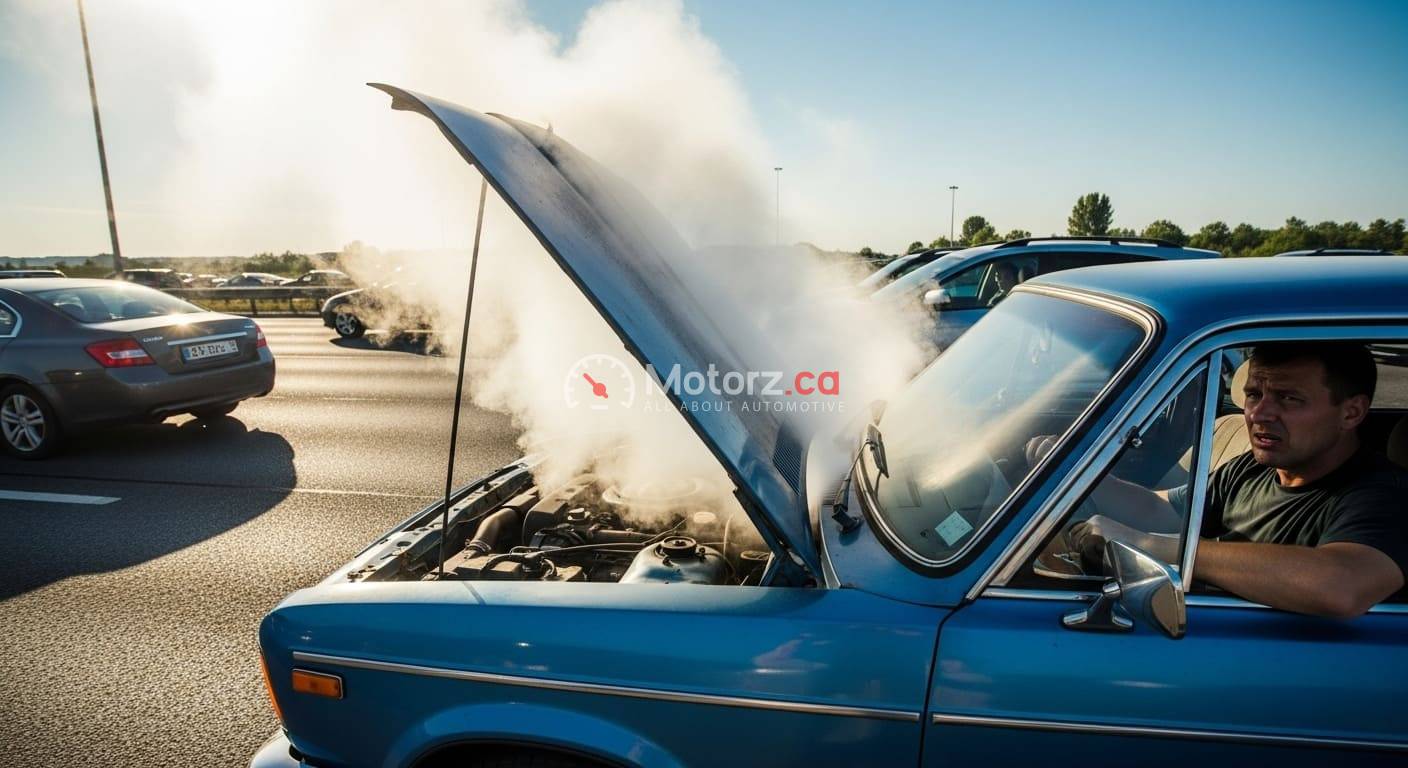

Summer is a Summer Traffic of road trips, beach days, and… traffic jams. For your car’s engine, sitting in slow-moving or stop-and-go traffic on a sweltering asphalt road is the ultimate stress test for the cooling system.
The purpose of your Summer Traffic cooling system is simple: to transfer heat away from the engine. This is primarily done through a constant circulation of coolant, which absorbs the engine’s heat and then sheds it as it passes through the radiator.
When you’re cruising on the highway at 100 km/h, your cooling system gets a huge, continuous blast of fresh air forced through the front grille and across the radiator fins. This is the ideal condition for heat dissipation.
The Problem: When you are idling in Summer Traffic, that vital high-speed airflow disappears. Your engine is still running and generating intense heat, but the air moving across the radiator is minimal. This is the moment when the weakest links in your car’s cooling system—the components designed to compensate for slow speeds—are exposed. If one of these components is failing, the engine temperature gauge needle will begin its slow, terrifying creep toward the dreaded red zone.
Understanding this core concept is key to diagnosing the problem. If your car runs cool on the highway but overheats in slow traffic, you can almost certainly rule out a major component like a fully clogged radiator and focus on issues related to airflow and circulation at low RPMs.
The Silent Killer: Airflow Failure in Stop-and-Go Conditions
The single biggest reason a Summer Traffic overheats while idling is a failure to create the necessary airflow that speed usually provides. This usually comes down to one crucial part.
The Malfunctioning Radiator Fan
Your engine is equipped with one or more cooling fans (either electric or belt-driven with a clutch) specifically designed to pull air across the radiator when the vehicle speed drops below a certain threshold.
Common Fan Failure Points
Electric Fan Motor Burnout: The fan motor itself has simply Summer Traffic and will not spin.
Bad Fan Relay or Fuse: The fan motor is fine, but the electrical circuit (fuse or relay) that tells it to turn on is broken. This is often an inexpensive fix.
Faulty Fan Sensor/Switch: The engine’s temperature sensor, which triggers the fan, is not reading the coolant temperature correctly or has failed completely.
Bad Fan Clutch (Belt-Driven Fans): On older Summer Traffic, a belt-driven fan has a clutch that engages the fan at low speeds. If the clutch fluid leaks or the clutch fails, the fan free-spins slowly, unable to pull enough air.
The Diagnostic Check: The next time your car is hot and idling, simply pop the hood (safely, of course!) and look to see if the cooling fan is running. If the temperature gauge is high and the fan is still, this is your most likely problem.
Obstructed Radiator Fins
While often a factor at all speeds, slow Summer Traffic exacerbates the problem of a blocked radiator. Over time, road grime, dead insects, leaves, and debris build up on the delicate aluminum fins of the radiator (and the A/C condenser in front of it). This physical blockage prevents air from passing through, drastically reducing its heat exchange efficiency. Cleaning the face of the radiator with a soft brush or compressed air can sometimes offer a simple, immediate fix.
The Coolant Catastrophe: Circulation and Leak Issues
Even with perfect airflow, the entire system relies on the continuous, effective circulation of the proper fluid: coolant (a 50/50 mixture of distilled water and antifreeze/ethylene glycol). If that circulation is compromised, overheating is Summer Traffic.
Low Coolant Level (The Slow Leak)
This is the most common and easiest to fix issue. If your coolant level in the reservoir is constantly low, it means there is a leak somewhere in the system—a hose, the radiator itself, or the heater core.
Why it’s worse in traffic: When your car is running hot, the lack of fluid means there isn’t enough coolant to absorb and transfer the heat. The remaining fluid can boil over, creating steam and air pockets that halt circulation completely.
Warning Signs: Puddles of brightly coloured (green, yellow, pink, or orange) fluid under your car, or a low coolant reservoir tank. Never open the radiator cap when the engine is hot, as pressurized, superheated steam can cause severe burns.
The Faulty Water Pump
The water pump is the heart of the cooling Summer Traffic; it forces the coolant to move through the engine, into the radiator, and back again. If the pump fails, circulation stops.
Signs of Water Pump Failure
Overheating: The primary symptom. If the pump impeller is corroded or the bearings are failing, the coolant can’t move fast enough.
Whining/Squealing Noise: Often caused by a loose belt, or more seriously, failing bearings inside the pump housing. This noise increases with engine RPMs.
Coolant Leak: A common failure point is the pump’s internal seal, which leads to a constant coolant drip from the front of the engine.
The Stuck Thermostat
The thermostat is the gatekeeper. It is a temperature-Summer Traffic valve that remains closed when the engine is cold to help it warm up quickly (for efficiency and emissions). Once the engine reaches its optimal operating temperature.
The Problem: If the thermostat gets stuck in the closed position, it traps the hot coolant inside the engine block and prevents it from reaching the radiator to cool down. This causes the engine to rapidly overheat, even at low speeds or idle. If the upper radiator hose is cold but the engine is hot, the thermostat is likely stuck closed.
The Radiator Cap Pressure Failure
The radiator cap is far more complex than a Summer Traffic lid; it’s a pressure valve. By pressurizing the system, the cap raises the boiling point of the coolant, allowing the engine to run at a higher temperature without boiling over. A faulty or damaged radiator cap seal will not maintain the correct pressure, causing the coolant to boil at a much lower temperature.
The Summer Traffic: Air Conditioning and Oil
Sometimes, the overheating isn’t the primary failure, but a secondary symptom of an engine under stress.
The A/C Overload
Running your car air conditioning on a hot day places a massive load on the cooling system. The A/C condenser, which removes heat from the cabin, is located directly in front of the radiator and dumps a huge amount of heat into the already struggling cooling airflow. If you notice the temperature spike only when the A/C is on, it points directly to a fan or Summer Traffic issue that can’t handle the extra thermal load.
Low Engine Oil
Engine oil not only lubricates moving parts but also plays a significant role in heat transfer. If your engine oil level is critically low, the added friction dramatically increases engine temperature. Always check your oil level; overheating is one of the most destructive consequences of neglect.
Immediate Action: What to Do When the Gauge Spikes
If your temperature needle moves into the red:
Turn Off the A/C and Turn On the Heater
This is counterintuitive, but vital. Summer Traffic on the cabin heater and fan to maximum speed pulls heat away from the engine block and into the passenger compartment, effectively using the heater core as a second, albeit small, radiator.
Pull Over Safely
As soon as it is safe, pull off the road and turn the engine off. Continuing to drive while the engine is overheating can result in catastrophic damage, such as a blown head gasket, warped cylinder heads, or a completely seized engine. The potential repair bill is tens of thousands, easily surpassing the cost of a tow.
Allow Time to Cool
Wait at least 30 minutes before attempting any inspection. Never open the radiator cap or coolant reservoir while the engine is hot. The system is under extreme pressure, and releasing it can result in a dangerous explosion of superheated steam and coolant.
Preventing the Summer Overheat: Maintenance is Key
The best way to deal with an overheating Summer Traffic is to ensure it never happens. A few hours of preventative maintenance can save you thousands in repairs.
Flush and Replace Coolant
Coolant degrades over time. Its anti-corrosion and anti-boiling properties weaken. Have your coolant flushed and replaced according to your manufacturer’s recommended service intervals.
Inspect Hoses and Belts
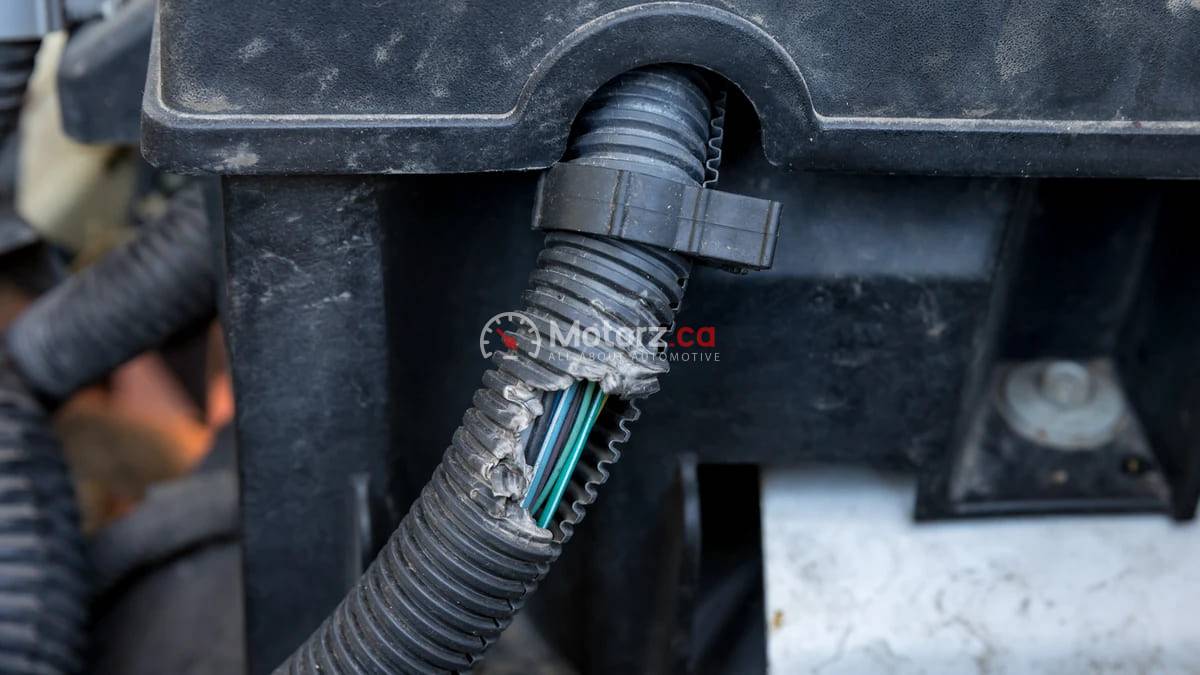
Squeeze the radiator hoses when the engine is cold. They should be firm but not rock-hard or spongy. Look for cracks, swelling, or leaks around the connection points. Replace any brittle, cracked, or mushy hoses, and check the serpentine belt for signs of cracking or fraying, as this belt drives the water pump.
System Diagnostics
Before the summer heat peaks, have a Summer Traffic perform a cooling system pressure test. This simple procedure pressurizes the system to check for small, hidden leaks that are not yet visible as puddles on the ground. It is the most reliable way to catch an impending failure before it leaves you stranded.
By focusing on these key components—the airflow provided by the fan, the circulation managed by the pump and thermostat, and the quality of the coolant—you can significantly reduce the risk of your engine overheating in heavy summer traffic. Stay cool, and drive safely!