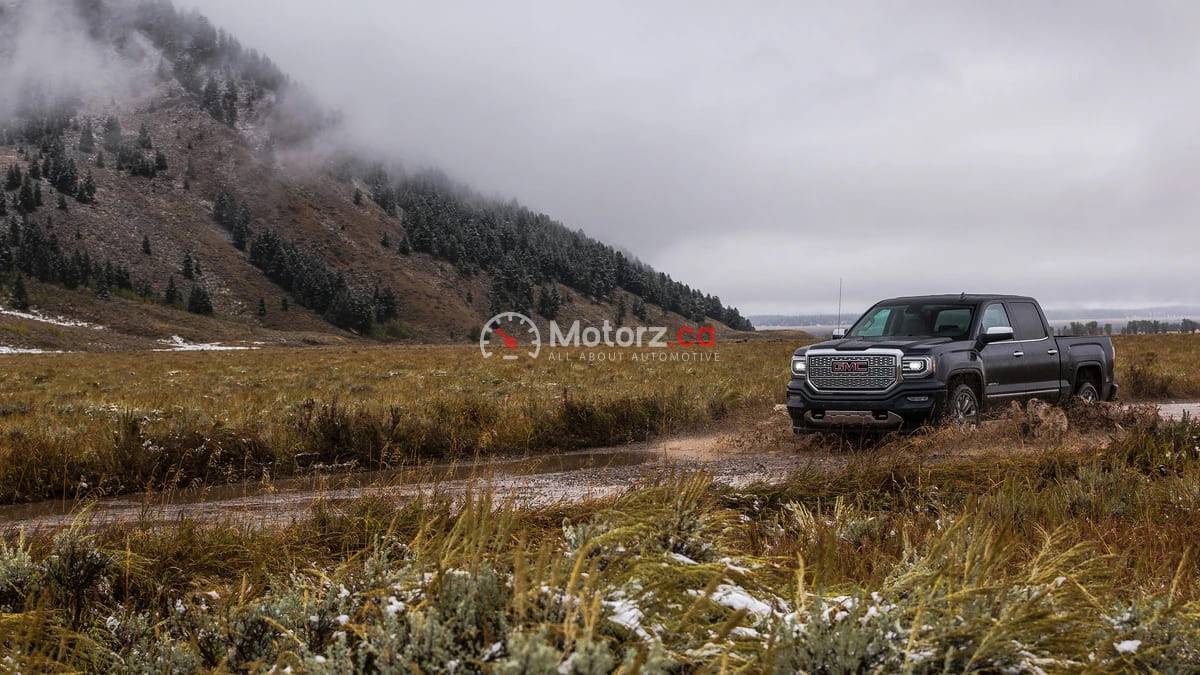
There is a Driving Into the Wilderness of magic that happens when the pavement ends and the gravel begins. Whether you are heading into the deep woods of Northern Ontario, the rugged logging roads of British Columbia, or the vast stretches of the Alberta foothills, “overlanding” and wilderness driving have become the ultimate escape for Canadians in 2026. The allure of a hidden campsite, a pristine lake, or a trail that doesn’t show up on standard GPS is powerful.
However, the wilderness is indifferent to your plans. What starts as a scenic detour can quickly turn into a survival situation if you aren’t prepared. In the world of “The Corner Wrench,” we see the aftermath of these trips: scorched transmissions, shredded tires, and the massive towing bills that come with being “recovered” from a forest service road.
Before you load up the cooler and air down your tires, you need a strategy. This Motorz guide isn’t just about packing a tent; it is about the mechanical and tactical preparation required to ensure you and your vehicle make it back to civilization in one piece. Here are the three most critical tips to consider before you leave the cell tower range behind.
Mechanical Self-Sufficiency: Your Driving Into the Wilderness
When you are 50 kilometers away from the nearest paved Driving Into the Wilderness, your vehicle isn’t just a mode of transport—it is your primary shelter and your only way home. Most “wilderness” failures are entirely preventable with a pre-trip mechanical audit.
The Cooling System Stress Test
Driving on steep, low-speed trails puts immense strain on your cooling system. Unlike highway driving, where a constant flow of air hits your radiator, off-roading relies heavily on your cooling fans.
The Check: Ensure your coolant is fresh and at the proper level. Check your hoses for “soft spots” or cracks. A 20 hose failure in the city is an annoyance; in the wilderness, it is a disaster.
Corner Wrench Tip: Carry a gallon of premixed coolant and a roll of silicone “rescue tape” that can temporarily seal a pressurized hose leak.
Tire Integrity and the “Real” Spare
Most modern crossovers come with a “space-saver” spare or, even worse, a simple “fix-a-flat” kit. These are useless in the wilderness. Sharp shale and jagged branches will slice a sidewall in ways a plug kit cannot fix.
The Upgrade: If you plan on frequent wilderness driving, invest in All-Terrain (A/T) tires with reinforced sidewalls.
The Requirement: Always carry a full-sized spare tire that is inflated to the correct pressure. Check your jack and lug wrench before you leave; ensure they actually work on uneven, soft ground.
Fluid Management
Wilderness driving often involves high-torque, high-heat situations. Check your transmission fluid and differential oils. If you haven’t changed your differential fluid in the last 50,000 km, do it before a major off-road trip. Burnt gear oil is the leading cause of “axle snap” when trying to climb a steep, rocky grade.
Navigation and Communication: Beyond the Blue Dot
We have become dangerously reliant on our smartphones. In the wilderness, “the blue dot” on your map is often the first thing to fail.
Offline Maps and Physical Backups
Cellular service disappears almost immediately once you enter deep valleys or dense forest.
Download Everything: Use apps like Gaia GPS or OnX Offroad to download high-resolution topographic maps to your device’s internal storage before you leave.
The Paper Legend: Carry a physical “Backroad Mapbook” for your specific region. It won’t run out of battery, it won’t overheat in the sun, and it provides a “big picture” view that a 6-inch screen cannot match.
Satellite Communication Technology
In 2026, there is no excuse for being “unreachable” in an emergency. Devices like the Garmin inReach or the built-in satellite SOS features on modern smartphones have changed the game.
The Protocol: Have a “Check-in” person back home. Give them your exact route and a “dead-drop” time. If they haven’t heard from you by 10:00 PM on Sunday, they should know exactly which forest service road to tell the authorities to search.
Understanding “The Turnaround”
The most important navigation skill is knowing when to stop. If a trail looks too narrow, too muddy, or too steep for your vehicle’s capabilities, turn around. Most wilderness “rescues” happen because a driver’s ego overrode the physical limitations of their vehicle.
The Recovery and Survival Kit: Planning for the “Stay”
If the worst happens—a mechanical failure or getting stuck in the mud—your goal shifts from “driving” to “surviving” until help arrives.
The Basic Recovery Gear
Even if you don’t have a winch, you should carry the “Big Three” of recovery:
A Kinetic Recovery Strap: Never use a “tow chain” or a “tow strap with hooks” for snatching a stuck vehicle; they can break and become lethal projectiles. A kinetic strap stretches and uses energy to pull you out safely.
Traction Boards: Brands like MaxTrax are a lifesaver in sand or deep mud. They give your tires something to bite into when the ground is like grease.
A Full-Sized Shovel: Often, ten minutes of digging is the difference between being stuck for the night and driving home.
The “48-Hour” Survival Cache
You should always carry enough supplies to survive for two days longer than your planned trip.
Water: Carry 10 liters of water per person.
Warmth: Even in the summer, wilderness temperatures can plummet at night. Carry a high-quality sleeping bag or an emergency “space blanket.”
Fire: Carry three different ways to start a fire (waterproof matches, a lighter, and a magnesium striker). Fire is not just for warmth; it is a powerful signaling tool for search and rescue.
Respect the Wild
Driving into the wilderness is one of the most rewarding experiences a Canadian driver can have. It offers a level of peace and adventure that you simply cannot find on the 400-series highways. But that reward comes with a responsibility to be prepared.
Audit your vehicle: Treat it like the life-support system it is.
Master your tech: Don’t rely on cell service; have offline and satellite backups.
Pack for the “what if”: Carry the tools to get yourself out and the supplies to stay comfortable if you can’t.
At Motorz, we want you to explore every inch of this beautiful country. By following the Corner Wrench philosophy of preparation, you ensure that your wilderness story is one of great views and campfire memories, rather than a cautionary tale of a 2,000 towing bill and a long walk home.