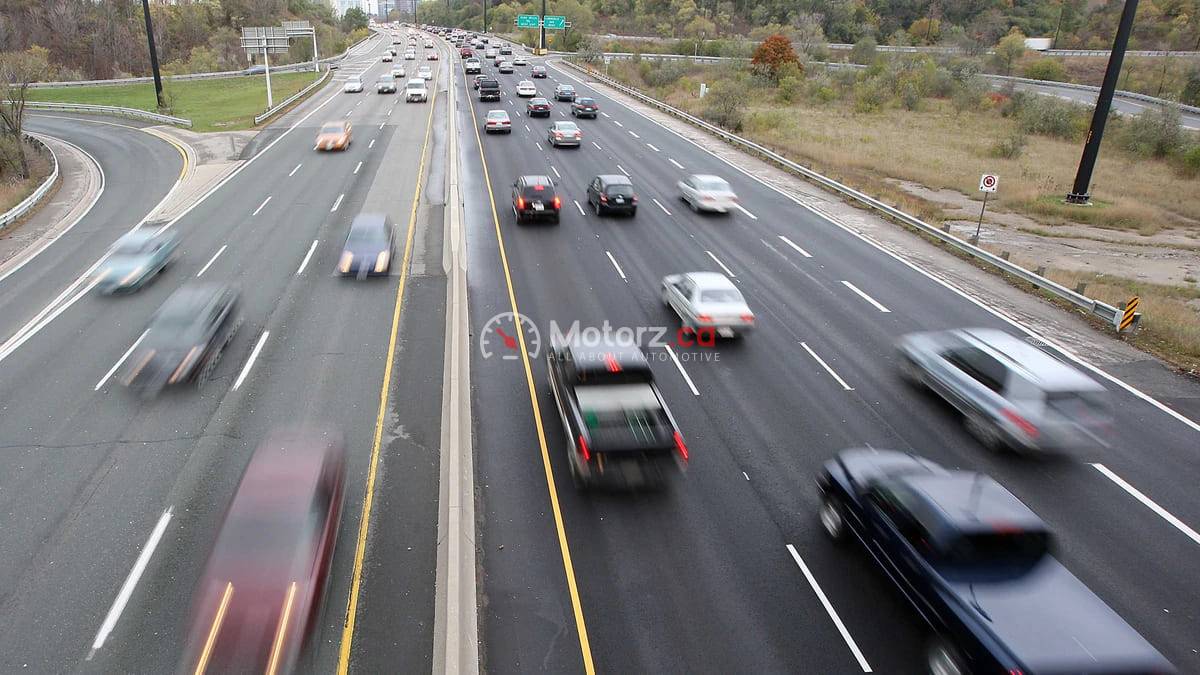
We have all been there. You are Road Rage and Red Flags, perhaps listening to your favorite podcast, when suddenly, a car swerves across three lanes without a signal, forcing you to slam on your brakes. Your heart races, your palms get sweaty, and for a moment, the road feels like a battlefield. While most people strive to be responsible motorists, the reality is that our highways are often populated by individuals whose habits range from annoying to life-threatening.
In the world of “The Corner Wrench,” we see the physical aftermath of these bad habits every day—smashed quarter panels, bent axles, and deployed airbags. In 2026, despite advanced safety tech like lane-keep assist and emergency braking, human error remains the leading cause of accidents. The truth is, no amount of technology can fully compensate for a driver who is distracted, aggressive, or simply oblivious.
At Motorz, we are passionate about road safety and the preservation of your vehicle. Today, Lorraine Explains the ten most notorious types of bad drivers you will encounter on the road, the psychology behind their dangerous moves, and—most importantly—how you can stay safe when you find yourself sharing the asphalt with them.
The Smartphone Road Rage and Red Flags
This is perhaps the most dangerous archetype in 2026. Despite strict hands-free laws and integrated dashboard tech, you can still spot them: chin tucked to their chest, eyes fixed on a glowing screen, and their vehicle drifting slowly toward the rumble strips.
The Science of Cognitive Distraction
When a driver looks at a phone for just five seconds at 90 kilometers per hour, they have traveled the length of a football field while essentially blindfolded. The “Smartphone Sorcerer” believes they can multitask, but the human brain simply cannot switch focus between a complex environment and a digital interface quickly enough to react to a sudden stop.
How to Stay Safe
If you see a driver weaving or reacting late to traffic lights, check their silhouette. If their head is down, give them a wide berth. Do not honk unless necessary, as a startled, distracted driver may overcorrect into your lane.
The Left-Lane Camper (The Passing Lane Blocker)
Few things trigger road rage faster than a driver sitting in the far-left “passing” lane while traveling exactly at—or below—the speed limit, oblivious to the mile-long queue of cars forming behind them.
Why It Is Dangerous
The passing lane is designed for exactly that: passing. When a “Camper” blocks the flow of traffic, they force faster drivers to pass on the right. Passing on the right is inherently more dangerous due to larger blind spots and the unpredictable nature of slower-moving traffic in those lanes. In many regions, “Keep Right Except to Pass” is not just a suggestion; it is the law.
The Phantom Signaler (The No-Indicator Driver)
Communication is the foundation of road safety. Indicators (turn signals) are the only way we can tell other drivers our intentions. The “Phantom Signaler” seems to believe that everyone else on the road is psychic.
The Risk of Unpredictability
When a driver turns or changes lanes without signaling, they remove the “buffer time” that other motorists need to adjust their speed. This is a leading cause of rear-end collisions and “side-swipe” accidents.
Pro Tip: At Motorz, we always say: “Signal your intent, not your action.” This means your blinker should be on before you start slowing down or turning the wheel.
The Tailgating Predator
We have all seen this driver in the rearview mirror. They are so close to your rear bumper that you can see the color of their eyes. They believe that by hovering centimeters away, they can “push” you to go faster or move out of their way.
The Physics of Following Distance
Brakes take time to engage, and tires take time to grip. If you are being tailgated and you have to perform an emergency stop for a hazard in front of you, the Tailgating Predator will hit you. There is no physical way for them to react in time.
Survival Strategy: Do not “brake check” them; this only increases the risk of a crash. Instead, maintain a steady speed or safely move to the right lane to let them pass.
The Late-Exit Artist (The “Jersey Slide”)
You are approaching a major highway exit when a car from the far-left lane suddenly cuts across four lanes of traffic, nearly clipping three bumpers, just to make the off-ramp at the last second.
The Cost of a Missed Exit
The “Late-Exit Artist” values their five minutes of saved time over the lives of everyone around them. If you miss an exit, the solution is simple: go to the next one and double back. A five-kilometer detour is much cheaper than a multi-car pileup.
The High-Beam Hero
Driving at night is challenging enough without being blinded by the person behind you or an oncoming driver who refuses to dim their high-beam headlights.
Modern LED Issues
In 2026, many vehicles come with incredibly bright factory LED lights. When a driver adds poorly aimed aftermarket LED bars or simply forgets to switch to low beams, they create “temporary blindness” for other drivers. This “glare” can take several seconds for the human eye to recover from, during which time you are essentially driving into a dark void.
The Brake-Light Tapper
This driver seems to use their brake pedal as a footrest. Every few seconds, their brake lights flash, even when there is no traffic in front of them and no reason to slow down.
The “Cry Wolf” Effect
When a driver taps their brakes constantly, it creates a “phantom” traffic jam behind them as everyone else reacts by braking harder. More importantly, it desensitizes the drivers behind them. If the “Tapper” actually has to perform an emergency stop, the person behind them might assume it is just another tap and fail to react in time.
The Merge-Hesitator
Merging onto a high-speed highway requires matching the speed of the flow of traffic. The “Merge-Hesitator” attempts to enter a 100-kilometer-per-hour zone while traveling at 60 kilometers per hour, or worse, they stop entirely at the end of the on-ramp.
The Danger of Speed Differential
A car traveling significantly slower than the rest of traffic is a moving roadblock. It forces other drivers to slam on their brakes or swerve into the middle lane, creating a ripple effect of danger.
Insight: The “gas pedal” is a safety tool. Use the length of the on-ramp to accelerate so you can merge seamlessly into the gaps of the moving traffic.
The Intersection Gambler (The Yellow-Light Sprinter)
We all know the yellow light means “caution, prepare to stop.” To the “Intersection Gambler,” it means “floor it.” Even worse are those who enter the intersection long after the light has turned red.
T-Bone Tragedies
Intersection accidents are often the most violent because they involve side-impacts where there is less car structure to protect the passengers. Many “Gamblers” assume that the cross-traffic will wait a second or two before moving on green, but as people become more impatient, those seconds disappear, leading to devastating “T-bone” collisions.
The Multi-Tasking Gourmet
Driving is a full-time job, but some treat it as a lunch break. Whether it is eating a three-course meal, applying makeup, or shaving with an electric razor, the “Gourmet” has only one hand—and half a brain—on the steering wheel.
Reduced Physical Control
If a tire blows out or a child runs into the road, you need both hands on the wheel to maintain control of the vehicle. If you are holding a burrito or a mascara wand, your reaction time is effectively doubled, and your ability to perform an evasive maneuver is gone.
Protecting Yourself from Bad Drivers
At Motorz, we know that you cannot control what other people do, but you can control how you react. Defensive driving is the art of assuming that everyone else on the road is about to do something unpredictable.
Maintain your distance: The “three-second rule” is your best friend.
Stay visible: Avoid driving in the blind spots of trucks and erratic drivers.
Be predictable: Use your signals early and avoid sudden movements.
Keep your cool: Road rage never solves a problem; it only creates new ones.
Check your tech: Ensure your own vehicle’s safety systems and brakes are in top shape at “The Corner Wrench.”
The road is a shared resource. By identifying these ten types of bad drivers and maintaining your own high standards of operation, you can ensure that you and your passengers reach your destination safely, no matter who else is on the road.