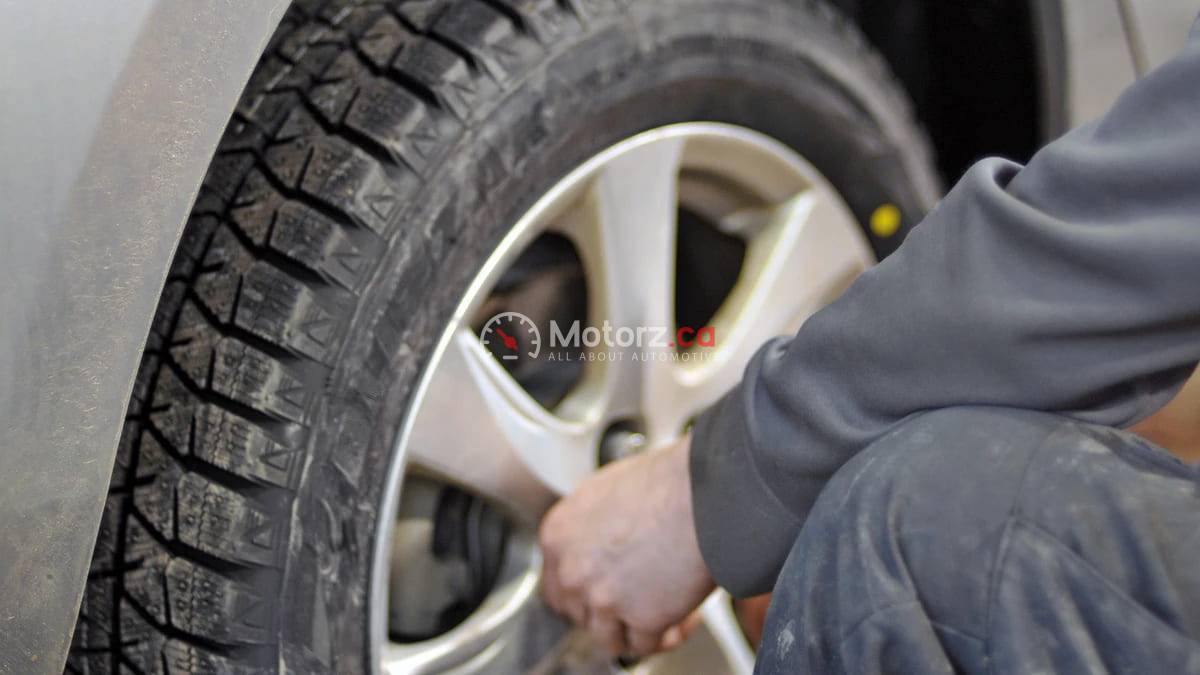
As the first frost settles on the windshield and the local weather reporter starts mentioning the “S-word,” every driver faces the same seasonal dilemma: it is time for winter tires. We all know that a fresh set of dedicated snow tires is the gold standard for navigating icy roads, but the price tag can be a hard pill to swallow. In the current economy of 2026, the used market—filled with “barely driven” sets on local classifieds—looks incredibly tempting.
But is buying used winter tires a brilliant “Corner Wrench” hack to save money, or are you literally gambling with your safety? Unlike summer tires, winter rubber is a highly specialized piece of technology that degrades in ways the naked eye can’t always see. A tire that looks “good enough” in a dimly lit garage might be a hockey puck on a frozen highway.
In this deep dive, we will explore the hidden risks of pre-owned rubber, how to spot a “lemon” tire, and the specific math you should use to determine if those second-hand blizzaks are actually a bargain.
The Science of the “Soft”: Why Age Matters More than Tread
The most common mistake people make when buying used Winter Tires is looking only at the tread depth. While tread is important, the “magic” of a winter tire lies in its chemical composition.
The Flexible Rubber Compound
Winter tires are made with a high silica content that allows the rubber to remain soft and pliable even when temperatures drop well below freezing. As a tire ages, these essential oils evaporate, and the rubber begins to harden (a process called “thermo-oxidative degradation”). A seven-year-old winter tire with 90 percent tread might actually have less grip than a two-year-old tire with 50 percent tread because the old rubber has become too hard to “bite” into the ice.
The DOT Code: Your Best Friend
Every tire has a “birth certificate” stamped into the sidewall. Look for the DOT code—a series of letters followed by four digits. The last four digits tell you the week and year of manufacture. For example, “1222” means the tire was made in the 12th week of 2022. In 2026, you should be very wary of any winter tire manufactured before 2020, regardless of how “new” the tread looks.
Reading the Tread: Beyond the Penny Test
If the age check passes, the next step is a rigorous inspection of the tread itself. Winter tires are not legally “winter tires” once they wear past a certain point.
The Winter Wear Bar
Most winter tires have two sets of wear bars. One is the legal limit (usually 2/32 of an inch), but the other is the “winter platform.” This is a raised ridge in the tire grooves that indicates when the specialized “biting edges” (sipes) are worn away. If the tread is level with this platform, the tire is essentially just an all-season tire and will perform poorly in deep snow.
Measuring in Millimeters
For a used winter tire to be a “good idea,” it should have at least 6mm to 8mm of tread remaining. New winter tires typically come with 10mm to 12mm. If you are buying a set with 5mm or less, you are likely only going to get one season of safe driving out of them, which often negates the savings over buying new.
Hidden Dangers: What a Craigslist Ad Won’t Tell You
A tire can look perfect in a photo but be structurally compromised. When you go to inspect a set of used tires, keep an eye out for these “deal-breakers.“
Dry Rot and Sidewall Cracking
Look closely between the tread blocks and along the sidewall. If you see tiny “spider-web” cracks, the tire is dry-rotting. This means the rubber is brittle and prone to a blowout at highway speeds. Do not buy dry-rotted tires at any price.
Uneven Wear Patterns
Run your hand across the tread. Does one side feel lower than the other? Does it feel “choppy” or wavy (cupping)? This indicates the previous vehicle had bad alignment or worn shocks. If you put these on your car, they will be incredibly noisy and will likely cause your steering wheel to vibrate.
Internal Patchwork
If possible, look inside the tire. A single professionally installed “plug-patch” in the center of the tread is usually okay. However, any patch near the sidewall or multiple patches in a single tire is a sign that the structural integrity has been compromised.
The “Package Deal” Advantage: Tires on Rims
One of the best reasons to buy used is finding a set that is already mounted and balanced on steel or alloy wheels.
Savings on Labor: Switching tires on a single set of rims twice a year is hard on the tire beads and costs a significant amount in shop labor. Having a second set of “winter wheels” allows you to do the swap yourself in your driveway.
Rim Condition: Inspect the rims for “curb rash” or dents. A bent rim will cause a persistent vibration and can lead to slow air leaks. If the rims are rusted steel, it is mostly aesthetic, but ensure the “bead” area where the rubber meets the metal is clean and smooth.
The Math of Used Tires: Is It Actually a Bargain?
Let’s look at the “Corner Wrench” cost-benefit analysis.
Scenario A (New): You buy new winter tires for 800. They last 5 seasons. Cost per season: 160. Scenario B (Used): You buy used tires for 400. They have 60 percent tread and are 4 years old. They last 2 seasons before the rubber gets too hard. Cost per season: 200.
In this scenario, the “cheaper” used tires actually cost you more per year of use. For a used set to be a true bargain, the price needs to be low enough to offset the shorter lifespan and the lack of a manufacturer’s road-hazard warranty.
When to Say Yes (and When to Walk Away)
Buying used winter tires is a good idea ONLY IF:
They are less than 4 years old (check the DOT code).
They have at least 70 percent tread remaining (6mm to 8mm).
They show no signs of dry rot or uneven wear.
The total cost is less than 50 percent of the price of a new set.
If you are a high-mileage driver or someone who frequently travels on unplowed rural roads, the peace of mind and full-depth sipes of a new set are worth every penny. However, for a “beater” car or a city vehicle that only sees light use, a carefully inspected used set can be a great way to stay safe without breaking the bank.