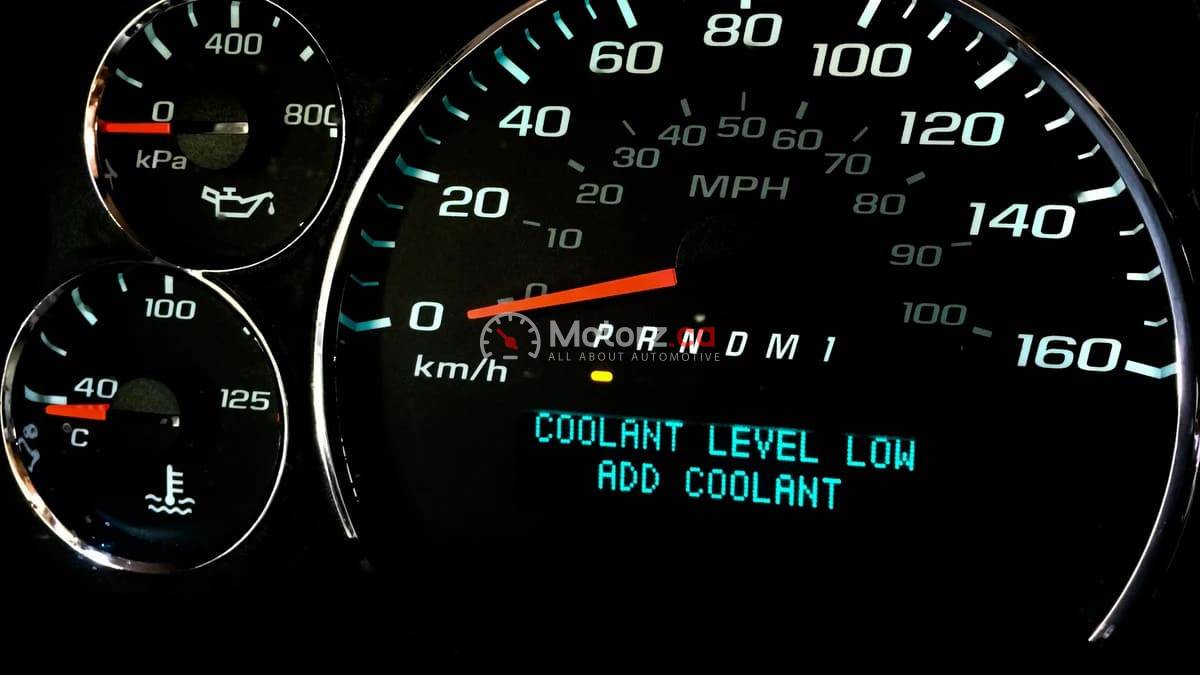
There is Car Coolant System the pit in your stomach when you see that needle on the temperature gauge start to creep toward the red zone. Or perhaps you’re sitting in traffic on a humid summer afternoon when a wisp of sweet-smelling white steam begins to curl from under your hood. In that moment, your car isn’t just a machine; it’s a pressure cooker on wheels.
In the world of “The Corner Wrench,” we treat the cooling system as the primary life-support system for your engine. An engine operates by controlled explosions, and without a perfectly functioning cooling system, those explosions will eventually warp metal, melt gaskets, and turn your expensive vehicle into a very heavy paperweight. In 2026, with engines running higher compression and smaller tolerances than ever before, “keeping your cool” is a high-stakes game.
Today, Motorz is providing a deep dive into the world of radiators, water pumps, and thermostats. We are going to show you how to spot a problem before it leaves you stranded, why the “sweet smell” of coolant is a warning you can’t ignore, and how Lorraine Explains the proper way to handle an overheating emergency.
The Car Coolant System: How Your Cooling System Works
To fix a cooling problem, you first need to understand the path the liquid takes. Think of it as a continuous loop designed to carry heat away from the fire (the engine) and release it into the air (the radiator).
The Heart and the Gatekeeper
The Water Pump is the heart of the system. It is a mechanical or electric pump that pushes coolant through the engine block. The Thermostat is the gatekeeper. It stays closed when you first start the car to help the engine warm up quickly. Once the engine reaches its ideal temperature, the thermostat opens, allowing the hot coolant to flow into the radiator to be cooled down.
The Radiator and Fans
The radiator is a series of tiny tubes and fins. As air passes through these fins, it pulls heat out of the coolant. When you are sitting still in traffic, there isn’t enough natural wind to do the job, so your Cooling Fans kick in to pull air through manually. If any single one of these components fails, the entire loop breaks, and the temperature will skyrocket in minutes.
Common Coolant System Red Flags
Early detection is the difference between a 20 hose repair and a 4,000 engine replacement. Keep your eyes, ears, and nose open for these symptoms.
The Sweet Smell of Trouble
Antifreeze has a very distinct, sugary aroma. If you smell something like maple syrup or candy after you park your car, you have a leak. Even if you don’t see a green, orange, or pink puddle on your driveway yet, the “scent” means coolant is escaping and evaporating on hot engine parts.
White Smoke and the Tailpipe
If you see thick white smoke coming from your exhaust pipe—especially after the car is already warmed up—it is a sign of an internal leak. This often points to a Blown Head Gasket, where coolant is being sucked into the combustion chamber and burned. This is a “Corner Wrench” emergency that requires immediate professional attention.
The “Chugging” Heater
If your cabin heater is blowing cold air even though the engine is hot, or if you hear a “gurgling” sound behind the dashboard, you likely have an air pocket in the system. This usually happens because the coolant level is so low that the water pump is pushing air instead of liquid.
Diagnosing the “Big Three” Failures
Most cooling problems can be traced back to three main culprits. Understanding which one is failing will help you communicate better with your mechanic or tackle the DIY repair.
The Stuck Thermostat
A thermostat can fail in two ways: stuck open or stuck closed. If it’s stuck open, your car will take forever to warm up and your heater will be weak. If it’s stuck closed, the coolant never reaches the radiator, and your engine will overheat within ten minutes of driving, even in the middle of winter.
The Failing Water Pump
Modern water pumps often give a warning before they quit. Look for a “weep” or a slow drip of coolant coming from the front of the engine. Some pumps will develop a high-pitched “whine” or “grinding” noise as the internal bearings fail. In 2026, many vehicles use electric water pumps which may not leak but will instead trigger a specific “Coolant Flow” error code on your dashboard.
Radiator Clogs and Fin Damage
Over time, the tiny tubes inside your radiator can become clogged with “sludge” if the coolant isn’t changed regularly. Additionally, the external fins can be bent by road debris or clogged with bugs and dirt. At Motorz, we recommend a “light test”—shine a flashlight through your radiator fins; if you can’t see the light on the other side, it’s time for a cleaning.
Emergency Protocol: What to Do When the Light Flashes
If that “High Temp” light comes on while you are on the highway, your actions in the next sixty seconds will determine the fate of your engine.
Turn Off the A/C and Crank the Heat
It sounds miserable on a hot day, but turning your cabin heater to the maximum setting acts as a “mini-radiator.” It pulls heat away from the engine and into the cabin. It might buy you just enough time to pull over safely. Turn off the Air Conditioning immediately, as the A/C compressor puts an enormous load on an already struggling engine.
Never Open a Hot Radiator Cap
This is the most important “Corner Wrench” safety rule. The cooling system is under immense pressure. If you open the cap while the engine is hot, the coolant will instantaneously turn into steam and spray out at boiling temperatures. Wait at least thirty minutes for the system to cool down before touching the cap.
Keeping Your Cool for the Long Haul
Preventative maintenance is the only way to avoid the stress of a cooling system failure. A few simple habits will keep your engine running at the perfect temperature year-round.
Check your levels: Once a month, look at the “overflow” tank to ensure your coolant is at the “Full” line.
Flush the system: Every two to three years, have your coolant flushed and replaced to prevent the buildup of corrosive sludge.
Inspect the hoses: Squeeze your radiator hoses; if they feel “crunchy” or excessively soft, they are at risk of bursting and should be replaced.
Mind the cap: The radiator cap is actually a pressure-relief valve. If the seal is cracked, the system can’t hold pressure, and your car will boil over at a lower temperature.
At Motorz, we want you to enjoy the drive without staring at the temperature gauge in fear. By understanding your cooling system and reacting quickly to red flags, you’re not just fixing a car—you’re protecting your mobility. Keep it cool, keep it maintained, and we’ll see you on the road.