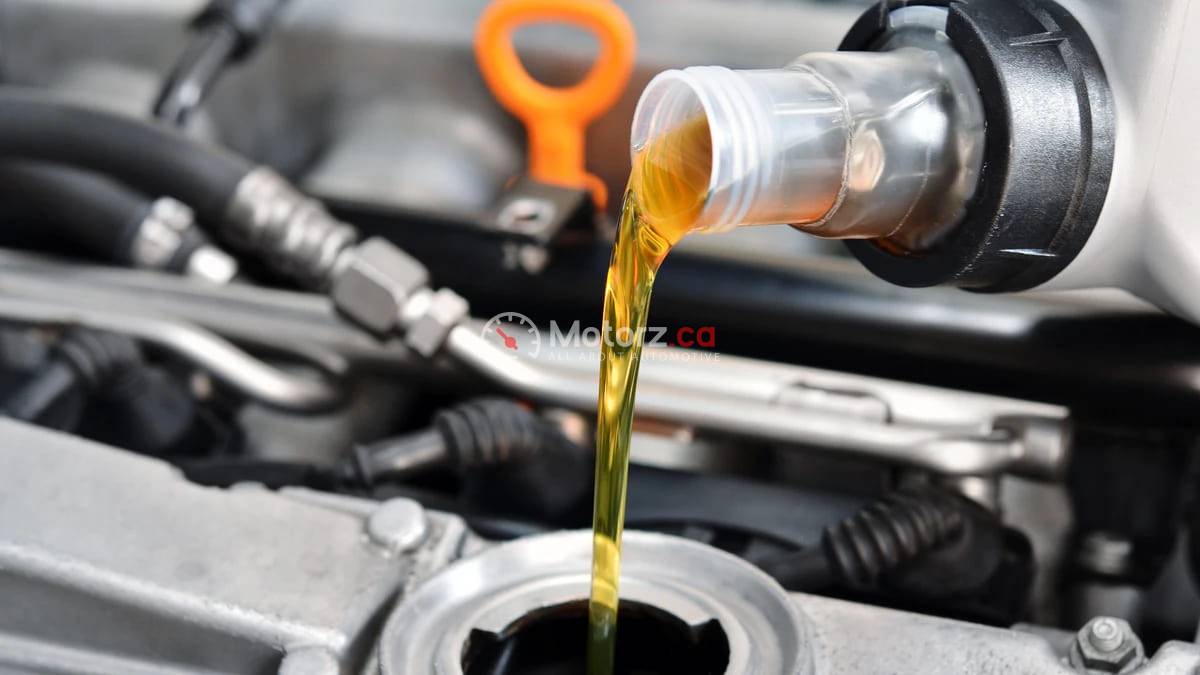
Walk into any Additive in Your Car aisle in 2026, and you are greeted by a wall of chemical solutions. There are bottles for your fuel, cans for your oil, tubes for your transmission, and jugs for your radiator. It’s enough to make any driver feel like they need a degree in chemistry just to survive a basic service interval. The big question is: are you actually helping your vehicle, or are you just “adding up” expenses that your car doesn’t need?
In our recurring series “Lorraine Explains,” we often talk about the mechanical “bones” of a car—the gears, the pistons, and the brakes. But the fluids are the lifeblood. Just as humans might take vitamins to supplement a diet, car additives are designed to enhance the performance of your vehicle’s fluids. However, there is a fine line between a necessary supplement and an expensive placebo.
At Motorz, we want to help you clear the air. Today, The Corner Wrench takes a deep dive into the four major categories of automotive additives. We will look at what works, what is “snake oil,” and how to determine if your specific vehicle—whether it’s a rugged Canadian truck or a modern hybrid—actually needs that extra chemical boost.
Oil Additives: Enhancing the Additive in Your Car
The most common additives people consider are those poured directly into the crankcase. While modern synthetic oils are incredible feats of engineering, certain high-mileage or high-performance scenarios might call for a little extra help.
Friction Modifiers and Wear Protection
These products usually contain chemicals like molybdenum or specialized synthetic esters. Their goal is to bond to the metal surfaces inside your engine, providing a “sacrificial” layer of protection. In the freezing cold starts of a Winnipeg winter, where oil takes a few seconds to reach the top of the engine, these modifiers can prevent microscopic metal-on-metal contact.
Oil Stabilizers and Viscosity Index Improvers
If you are driving an older vehicle that “burns” a bit of oil, you’ve likely seen thick, honey-like stabilizers. These work by increasing the “viscosity” or thickness of the oil at high temperatures.
The Pros: They can quiet a noisy engine and reduce oil consumption by making it harder for the oil to slip past worn piston rings.
The Cons: In a modern engine with tight tolerances and variable valve timing (VVT), making the oil too thick can actually cause a “Check Engine” light or prevent the engine from lubricating properly.
Cooling System Additives: More Than Just Anti-Freeze
Your radiator is responsible for shedding the massive amounts of heat generated by internal combustion. While coolant (antifreeze) does the heavy lifting, additives in this category focus on two things: leak prevention and heat transfer.
Stop-Leak Pellets and Fluids
We’ve all seen the products that claim to “fix a blown head gasket in a bottle.” These contain fibrous materials or liquid glass (sodium silicate) that hardens when exposed to air and heat.
The Reality Check: These are emergency “get home” measures. While they can seal a tiny pinhole in a radiator, they can also clog the small passages in your heater core, leaving you with no heat in the cabin during the winter. The Corner Wrench recommends these only as a last resort.
Water Wetters and Coolant Boosters
Used primarily in towing applications or performance driving, these additives break down the “surface tension” of the coolant. This allows the liquid to touch the metal surfaces of the engine more intimately, pulling heat away more efficiently. If you are towing a heavy trailer through the Canadian Rockies, a heat-transfer additive can keep your needle out of the red zone.
Transmission and Driveline Treatments
The transmission is the most complex component of your car, and it is also the most sensitive to chemical changes. This is the one area where you should be most cautious.
Anti-Shudder Additives
If your automatic transmission feels like it is “vibrating” or “shuddering” when it shifts, there are specialized friction modifiers designed to fix this. They are particularly common for older vehicles with high mileage where the original friction properties of the fluid have broken down.
Seal Swellers and Conditioners
As transmissions age, the internal rubber seals can harden and shrink, leading to internal pressure losses or external leaks. “Conditioning” additives contain chemicals that slightly soften and expand these seals.
The Corner Wrench Advice: If your transmission is already slipping, an additive is rarely a permanent fix. However, a conditioner can often extend the life of a slightly leaky older transmission by a year or two.
Understanding the “Total Cost” of Additives
When you start adding up the bottles, the cost of a “DIY service” can quickly double. To decide if an additive is worth the investment, use the following criteria:
The Maintenance History Factor
If you have owned your car since new and have changed your fluids exactly on schedule, you almost never need an additive. Modern fluids from reputable brands already contain a balanced “additive package” designed by chemists to last the full service interval.
The Problem-Solving Factor
Additives are best used as “medicine” for a specific symptom.
Symptom: Dry start-up noise in winter Solution: High-quality oil fortifier.
Symptom: Rough idle or poor spray pattern Solution: PEA-based fuel cleaner.
Symptom: Tiny radiator seep Solution: Stop-leak (temporary).
Knowing When to Stop Adding
The secret to automotive longevity in 2026 isn’t a secret chemical—it’s consistency. While some additives provide a genuine benefit for specialized conditions, they are never a substitute for a mechanical repair or a fresh fluid change.
Prioritize the Fluid: A 50 oil change with high-quality synthetic oil is always better than a 20 oil change with a 15 additive.
Read the Warranty: Some new car warranties can be voided if the manufacturer finds “unauthorized” chemicals in the engine or transmission.
Target the Issue: Don’t use a “multi-purpose” additive if you only have one specific problem.
Trust the Chemists: The engineers who designed your car spent thousands of hours testing the fluids. Unless you are changing the “use case” of the car (like heavy towing), their original specs are usually best.
At Motorz, we want to see you spend your money where it matters most. Additives can be a powerful tool in your maintenance arsenal, but only if you use them with a plan. Don’t let the “additive math” distract you from the basics: keep it clean, keep it full, and listen to what your car is telling you.