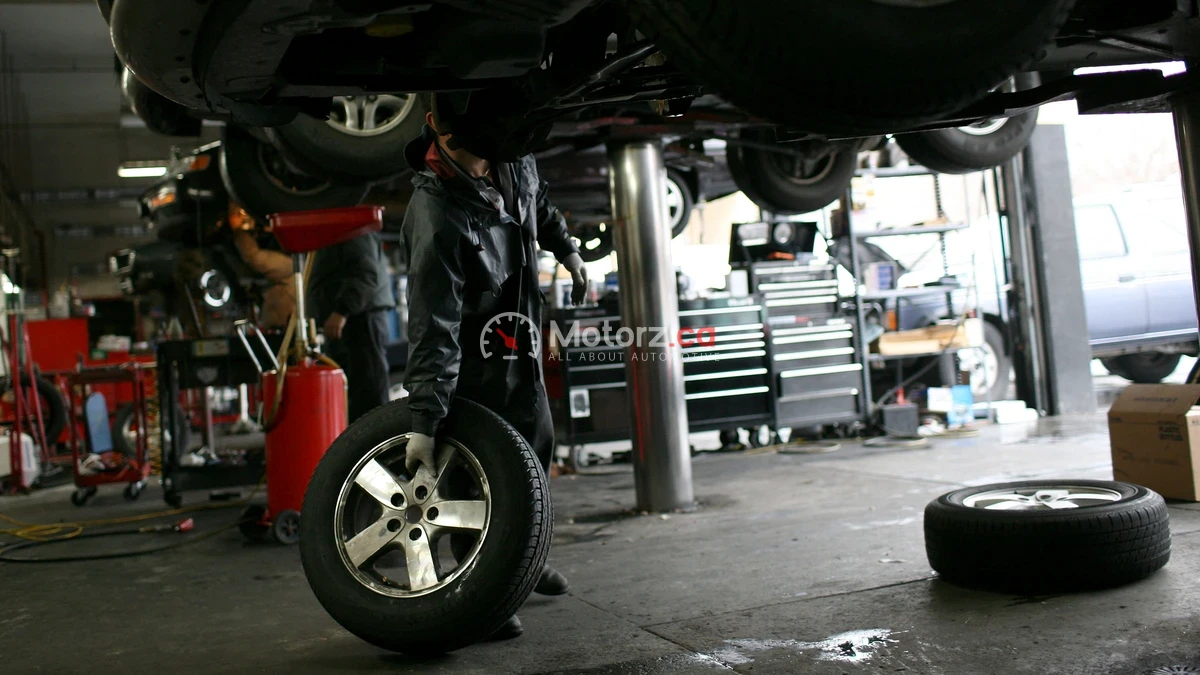
We have all been there. You walk into a service Car Maintenance for what you thought was a simple oil change, and twenty minutes later, a service advisor is handing you a multi-page estimate for several thousand units of currency. The “sticker shock” of automotive repair is one of the most stressful aspects of vehicle ownership. Why does a piece of rubber cost fifty to replace? Why is the labor rate different at a dealership than at the shop down the street?
In the world of “The Corner Wrench,” we believe that transparency is the best tool in your trunk. Knowledge is power, and understanding how auto service rates are calculated—and why they vary so wildly—can save you from overpaying and help you plan your household budget. In 2026, as vehicles become more technologically advanced, the “standard” repair is becoming a thing of the past.
At Motorz, we are pulling back the curtain on the service bays. Today, Lorraine Explains the difference between “Flat Rate” and “Straight Time,” the hidden costs of diagnostic equipment, and how to tell if you are getting a fair price for your next maintenance milestone.
How Auto Repair Shops Calculate Your Bill
If you have ever looked at a repair invoice and wondered how they Car Maintenance at the total, you aren’t alone. Most professional shops in North America use a standardized system to ensure consistency, but it can be confusing for the average driver.
The “Flat Rate” System Explained
Most mechanics do not get paid by the hour in the traditional sense; they work on a “Flat Rate” system. A specialized software program (like Mitchell 1 or AllData) provides a “labor time” for every possible job. For example, if the manual says replacing an alternator takes 2.5 hours, that is what you are billed, regardless of whether the mechanic finishes it in one hour or four.
Why this exists: It provides a predictable quote for the customer and rewards efficient, experienced technicians.
The Downside: If a bolt snaps or rust causes a delay, the shop usually has to stick to the original quote unless they find additional “unforeseen” damage.
Labor Rates: Dealership vs. Independent
You will notice a significant gap between the hourly labor rates at a brand-name dealership and a local independent garage. In 2026, dealership rates in major urban centers like Vancouver or Toronto can range from 180 to 250 per hour. Independent shops often sit between 120 and 160 per hour.
The Dealership Premium: This higher cost covers specialized factory training, expensive proprietary diagnostic computers, and the “loaner car” programs that many customers rely on.
The Independent Advantage: Smaller shops have lower overhead and can often offer more flexible pricing on aftermarket parts, though they may not have the specific tools for the latest software updates on brand-new cars.
The True Cost of “The Light”: Diagnostic Fees
One of the most common complaints at “The Corner Wrench” is the diagnostic fee. “Why am I paying 150 just for you to tell me what is wrong?” is a question we hear daily.
It Is More Than Just a Code
When your “Check Engine” light comes on, a technician plugs in a scanner to see a code (like P0300). However, that code doesn’t tell the mechanic exactly which part is broken; it only tells them which system is failing.
Example: A code for a “Lean Condition” could be a 10 vacuum hose, a 200 fuel pump, or a 500 mass airflow sensor.
The Expertise: The diagnostic fee pays for the technician’s time to perform “pin-out” tests, smoke tests for leaks, and electrical tracing to ensure they are replacing the right part the first time. In 2026, diagnostic tools can cost a shop upwards of 10,000 per year in subscription fees alone.
Parts Pricing: OEM, Aftermarket, and “Markups”
The parts on your invoice are rarely the same price you see on a wholesale website. Understanding the “Parts Markup” is essential for complete transparency.
OEM (Original Equipment Manufacturer)
These are the parts made by the company that built your car. They are guaranteed to fit perfectly and usually come with a nationwide warranty. They are also the most expensive option. For critical components like sensors, timing belts, and brake actuators, Motorz usually recommends sticking with OEM.
Aftermarket Options
Aftermarket parts are made by third-party companies. Some are “white label” versions of the original part, while others are lower-quality budget options. While they can save you 30 to 50 percent on the part cost, you must be careful. A cheap water pump that fails in six months will cost you much more in labor to replace a second time than you saved on the initial purchase.
Why Shops Mark Up Parts
Most shops add a 25 to 50 percent margin to the price of parts. This isn’t just “extra profit”—it covers the shop’s liability. If a part they sold you fails, the shop usually covers the labor to replace it under their own warranty. If you bring your own parts (which many shops refuse to allow), you are responsible for the labor costs if that part fails.
2026 Maintenance Milestones: What to Expect
Vehicle maintenance has changed. We no longer do “tune-ups” every 10,000 kilometers. Instead, we have major service intervals that can be quite expensive.
The “A” and “B” Service Cycle
Many modern luxury and European brands use a staggered service schedule.
Service A: Usually includes an oil change, tire rotation, and a multi-point inspection. Expect to pay between 200 and 400.
Service B: Includes everything in Service A plus cabin filters, brake fluid flushes, and more intensive system checks. These can range from 600 to 1,200 depending on the model.
EV Maintenance Costs
If you have made the switch to an Electric Vehicle, your maintenance looks very different. You no longer have oil changes, spark plugs, or transmission flushes. However, EVs are heavier, meaning they go through tires and suspension bushings faster. You still need to budget for cabin filters, brake fluid (which attracts moisture regardless of the powertrain), and coolant for the battery thermal management system.
How to Avoid Overpaying for Auto Service
Transparency is a two-way street. By being an informed consumer, you can build a better relationship with your mechanic and keep your car on the road for less.
Ask for a Menu: Most shops have a “menu” of common services (brakes, oil, flushes) with set prices. Ask for this upfront.
Prioritize the Repairs: If you receive a large estimate, ask the technician: “What is a safety issue, and what can wait three months?” A good shop will help you prioritize.
Check for “Shop Supplies”: Most bills include a small fee (usually 5 to 10 percent) for “Shop Supplies.” This covers things like brake cleaner, rags, and hazardous waste disposal.
Get a Second Opinion: For major repairs exceeding 2,000, it is perfectly acceptable to get a second quote from another reputable shop.
Keep Records: A car with a complete service history is worth significantly more at resale. Use a folder or an app to track every cent spent.
At Motorz, we want to take the “scary” out of the service center. Car maintenance is an investment in your safety and your vehicle’s longevity. When you understand the “why” behind the “how much,” you can drive with the confidence that you are getting exactly what you paid for.