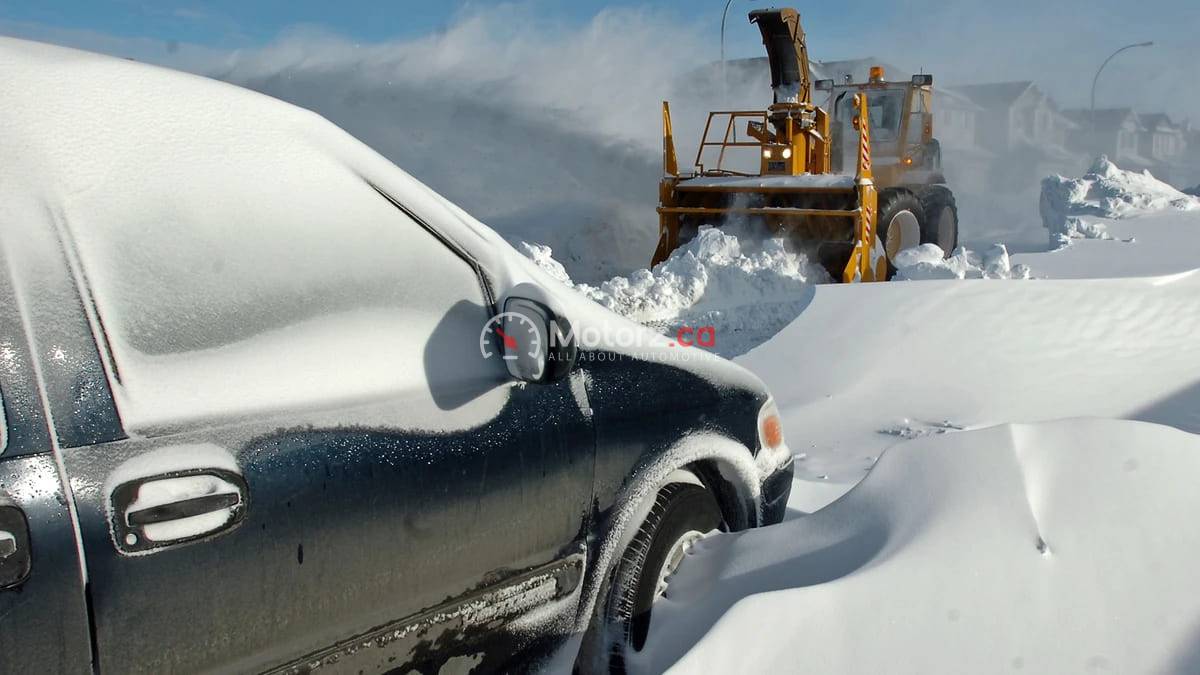
We often think of Car’s Plastic Parts, fluffy, and harmless. We watch it fall gracefully over the Canadian landscape, turning our driveways into winter wonderlands. But any experienced driver in Ontario, Alberta, or Quebec knows the dark side of that white powder. Once that snow hits the road, mixes with salt, and gets churned up by tires, it transforms. It becomes a heavy, ice-like “slush-crete” that packs into your wheel wells and undercarriage with the force of a hydraulic press.
In the world of “The Corner Wrench,” we see the results of this transformation every February. Modern cars are marvels of engineering, but to save weight and improve fuel economy, they are increasingly made of plastic, resins, and composites. While these materials are durable in the summer, they become brittle and vulnerable when the temperature drops below freezing.
At Motorz, we are pulling back the curtain on a type of winter damage that most insurance policies won’t cover: the mechanical destruction caused by hard-packed snow. Today, we are exploring why your car’s plastic bits are at risk, which components are the most vulnerable, and how you can protect your vehicle from a very expensive “frozen” repair bill.
The Car’s Plastic Parts: Why Plastic Hates the Cold
To understand the risk, you have to understand the material. Most automotive exterior parts—like bumper covers, wheel well liners, and underbody shields—are made from polymers like polypropylene or ABS.
The Glass Transition Phase
When plastic gets cold, it undergoes a physical change. At room temperature, the molecular chains in the plastic can move and flex, allowing the part to absorb an impact. As the temperature drops toward 20 below zero, the plastic enters a “glassy” state. It loses its elasticity. In this state, a piece of plastic that would normally bend will instead shatter like a piece of ceramic.
The Weight of “Slush-Crete”
A single cubic foot of wet, hard-packed snow can weigh over 20 kilograms. As you drive through slush, your tires act as centrifuges, throwing this heavy mixture into the crevices of your car. It packs into the gaps between your tires and the bodywork, hardening into an icy block that puts hundreds of pounds of constant pressure on plastic mounting clips and thin liners.
The Most Vulnerable “Bits”: What to Watch For
There are three specific areas where hard-packed snow does the most damage. If you aren’t checking these regularly, you are inviting a mechanical failure.
Wheel Well Liners
Your wheel well liners are designed to keep salt and water away from your engine and suspension. However, as snow packs into the wheel well, it fills the gap between the tire and the liner. If you hit a bump or turn the steering wheel sharply, the tire acts like a hammer, slamming the ice into the brittle plastic liner. This often results in the liner cracking or being ripped clean off its plastic mounting “push-pins.”
Underbody Splash Shields and Aerodynamic Trays
Modern cars, especially Electric Vehicles (EVs) and hybrids, have flat plastic trays underneath to reduce wind resistance. These trays are often held on by flimsy plastic clips. When you drive through deep, hard-packed snow in the center of the road (the “mohawk”), the snow acts like a plow. The weight of the snow can catch the edge of the plastic tray, snapping the clips and causing the tray to drag on the pavement or tear away entirely.
Bumper Covers and Air Dams
That stylish low-hanging plastic lip on your front bumper is there to improve fuel economy, but in the winter, it is a snow-gathering shovel. Hard-packed snow in a parking lot or a frozen snowbank can easily crack these “fascias.” Lorraine Explains that once a crack starts in a frozen bumper, the vibrations of driving will cause that crack to “spiderweb” across the entire part.
The “Corner Wrench” Guide to Prevention
You don’t have to let the snow win. A few simple habits can save your plastic parts from a winter meltdown.
The “Kick and Clear” Routine
Every time you park your car, take ten seconds to kick the “slush-sickles” out of your wheel wells. If you let that slush sit overnight, it will freeze into a solid block of ice that is nearly impossible to remove without damaging the plastic.
Pro Tip: Use a plastic snow brush handle, not a metal shovel, to gently poke the ice out. Metal tools will scratch the paint and can pierce the brittle plastic liners.
Silicone Spray: The Invisible Shield
Before the first major storm, spray a liberal amount of silicone lubricant or a dedicated “non-stick” automotive spray onto your wheel well liners and the underside of your plastic splash shields.
How it works: This creates a hydrophobic surface that makes it very difficult for wet snow to “bond” to the plastic. The snow will still get thrown up there, but it will slide off on its own rather than packing into a solid mass.
Driving Habits That Protect Your Plastic
How you drive in the snow is just as important as how you maintain the car.
Avoid the “Center Mound”
On residential streets, snowplows often leave a high ridge of hard-packed snow in the center of the road. If your car has low ground clearance, avoid straddling this mound. The frozen chunks in that ridge are hard enough to shatter plastic underbody panels and even damage your transmission pan or EV battery casing.
The Dangers of “Powering Through”
If you find yourself stuck in deep, hard-packed snow, resist the urge to “floor it” and spin the tires. The spinning tires generate heat that melts the snow, which then immediately refreezes into ice when you stop. This creates a “death grip” on your plastic liners and can even melt the plastic if the tire rubs against it for too long.
Your Winter Plastic Protection Checklist
Don’t wait for a piece of your car to be dragging on the highway. Follow this checklist to keep your plastic bits intact:
Apply Silicone: Coat your wheel wells and underbody trays in early winter.
Clear the Wells: Kick out the slush every time you finish a drive.
Inspect the Clips: Periodically check that your plastic trays aren’t sagging.
Mind the Clearance: Avoid driving over high, frozen snow ridges.
Warm the Car: If your wheel wells are frozen solid, a trip to a heated underground parking garage is the safest way to “melt out” without breaking parts.
At Motorz, we know that a car is only as strong as its weakest link. In January and February, those links are often made of plastic. By understanding the physics of the freeze and taking a proactive approach to clearing “slush-crete,” you can ensure your car stays whole until the spring thaw arrives.