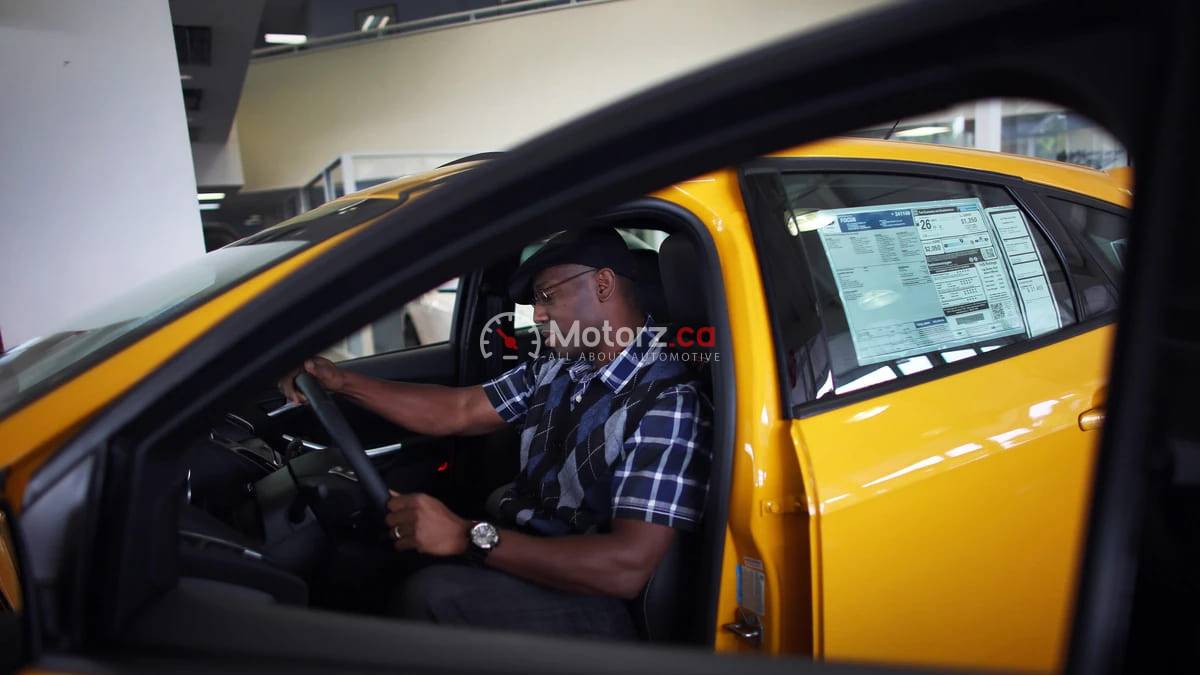
You just drove your shiny new Warranty Myth off the lot, feeling invincible. With a “bumper-to-bumper” warranty tucked safely in your glovebox, you assume that every squeak, rattle, and replacement part for the next five years is the manufacturer’s financial burden. Then comes your first service appointment for a brake pulse or a worn-out wiper blade, and you are handed an invoice for 500 units.
“But I have a warranty!” you exclaim.
The service advisor offers a sympathetic look before delivering the hard truth: Warranties cover defects, not use.
As we navigate the automotive landscape of 2026, where vehicles are more technologically advanced—and expensive to maintain—than ever, understanding the line between a “factory defect” and “normal wear and tear” is essential. In this comprehensive guide, we will demystify the fine print of automotive warranties, identify the parts you’ll always have to pay for, and show you how to protect your wallet from unexpected maintenance costs.
Defect vs. Wear: Understanding the Legal Distinction
To master your car’s maintenance, you must first understand the fundamental purpose of a warranty. A vehicle warranty is a promise from the manufacturer that the car was built correctly. It is a guarantee against manufacturing flaws and premature failures.
What is a Defect?
A defect is a part or assembly that fails because it was designed Electric Vehicles or put together incorrectly. For example, if your transmission suddenly stops shifting at 10,000 kilometers because an internal seal was installed backwards, that is a defect. The manufacturer pays for that because the part did not live up to its intended lifespan.
What is Wear and Tear?
Wear and tear is the natural, Warranty Myth degradation of a part due to its normal operation. Every time you step on the brakes, a microscopic layer of friction material is shaved Warranty Myth. Every time your tires rotate, the rubber thins. Because these parts are designed to be consumed during the life of the vehicle, the manufacturer is not responsible for replacing them.
The “Consumables” List: Parts You Will Always Pay For
Most modern “Bumper-to-Bumper” or “Limited New Vehicle” warranties have a specific list of exclusions. These are often referred to as consumables. Even in 2026, with the rise of Electric Vehicles (EVs), these parts remain the owner’s responsibility.
Braking Components
Brake pads and rotors are the most common source of warranty confusion. Pads are designed to wear down to protect the more expensive calipers. Unless a pad delaminates (a defect), you will pay for the replacement. Similarly, rotors that warp due to excessive heat or heavy braking are typically considered a maintenance item.
Tires and Alignment
Manufacturers do not warrant tires; the tire brand (like Michelin or Bridgestone) does. However, even tire warranties only cover defects like sidewall bubbles. If you hit a pothole or simply drive 40,000 kilometers until the tread is gone, that is on you. Furthermore, wheel alignments are usually only covered for the first 12,000 kilometers, as hitting a curb can knock a car out of alignment instantly.
Suspension Components
While a snapped leaf spring might be a defect, “Warranty Myth” shock absorbers or worn-out rubber bushings after 60,000 kilometers of driving on rough Canadian roads are generally considered wear and tear. These parts gradually lose their effectiveness over time, and their replacement is seen as part of keeping the car in “like-new” condition.
The EV Exception: Wear and Tear in the Electric Era
If you’ve switched to an Electric Vehicle (EV) in 2026, your wear-and-tear list looks a bit different, but it’s no less important.
The Battery Degradation Debate
Most EV manufacturers provide an 8-year or Warranty Myth warranty on the high-voltage battery. However, read the fine print. These warranties usually only kick in if the battery capacity drops below 70 percent. If your battery loses 10 percent of its range over three years due to your charging habits, that is considered “normal degradation” (wear and tear) and is not covered.
Regenerative Braking and Tires
EVs use regenerative braking, which means your brake pads might last 150,000 kilometers. This is a win for wear-and-tear costs. However, EVs are significantly heavier and have high instant torque, which leads to faster tire wear. You may find yourself replacing tires 20 percent more often than you did with a gasoline car, and your warranty will not help you there.
How to Avoid “Maintenance Surcharge” Surprises
The best way to handle wear and tear is to be proactive. You can’t stop parts from wearing out, but you can prevent them from failing prematurely.
Follow the Severe Weather Schedule: If you drive in Canada, you are likely in a “Severe Service” category. This means more frequent inspections. Identifying a thinning brake pad early can prevent it from damaging the expensive rotor, saving you hundreds of units in “consequential” damage that a warranty won’t cover.
Keep Your Receipts: If a part fails prematurely, the manufacturer might try to claim “lack of maintenance.” If you have a folder full of oil change and inspection receipts, you have the leverage to prove the failure was a defect and not neglect.
The First Year Rule: Many manufacturers offer a “adjustment period” for the first 12 months or 20,000 kilometers. During this window, they may cover “wear” items like wiper blades, light bulbs, or wheel alignments as a gesture of goodwill. If you notice a minor issue, bring it up early.
Is an Extended Warranty Worth It for Wear and Tear?
As your factory warranty nears its end, you will likely be offered an extended service contract. Do these cover wear and tear?
Standard Extended Warranties
Most third-party extended warranties are “Inclusionary” or “Exclusionary.” Even the best exclusionary plans almost always exclude the same wear items as the factory: brakes, tires, glass, and upholstery.
Maintenance Plans vs. Warranties
If you want coverage for wear and tear, you are looking for a Prepaid Maintenance Plan, not a warranty. These plans are specifically designed to cover the cost of oil changes, brake pads, and fluid flushes. In 2026, many luxury brands are bundling these into the lease price to give drivers a truly “no-cost” ownership experience.
Knowing the Difference Saves You Money
A car warranty is a powerful shield against catastrophic mechanical failure, but it is not a “free pass” for vehicle ownership. By accepting that brakes, tires, and batteries will naturally degrade, you can budget effectively and avoid the frustration of a denied claim at the dealership.
The manufacturer guarantees the build, but you are responsible for the journey. Keep your vehicle maintained, understand your exclusions, and you’ll never be caught off guard by the reality of wear and tear.