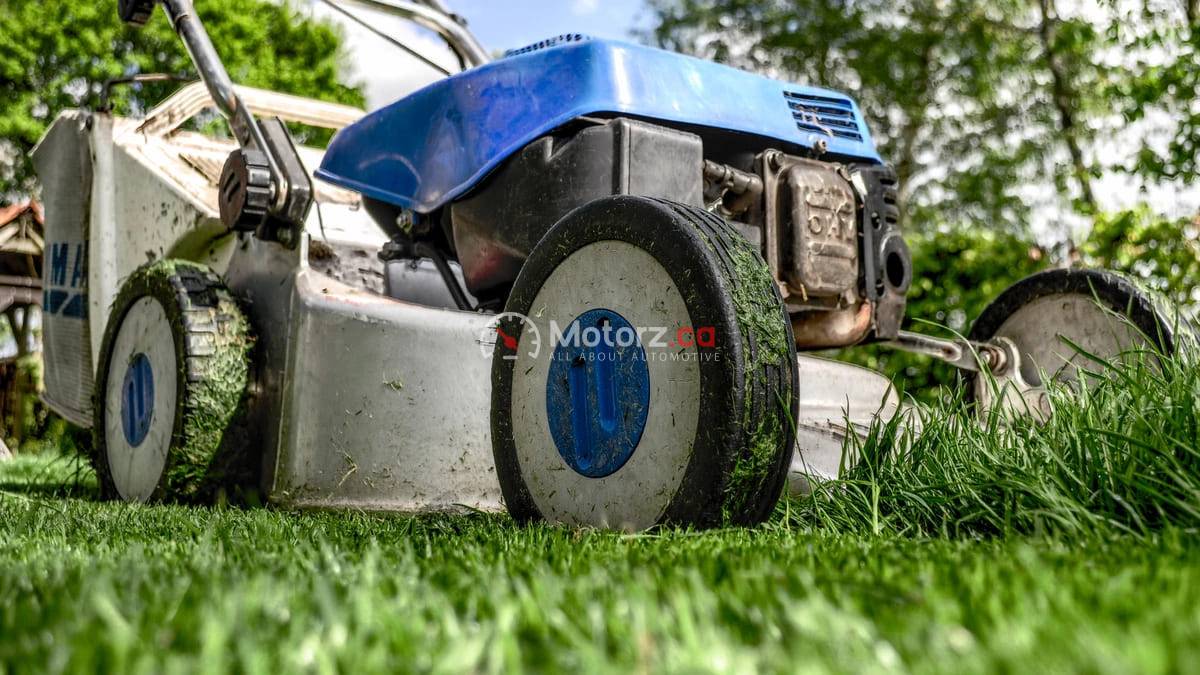
We have all been there. The grass is getting long, the sun is shining, and you finally have a free Saturday to tackle the yard. You pull the cord on your lawnmower—once, twice, ten times—and nothing happens but a sore shoulder and the smell of raw gasoline. Or maybe it’s the first big snowfall of the year, and your snowblower refuses to wake up from its summer slumber.
In the world of “The Corner Wrench,” small engines are the unsung heroes of our garages. They power our chainsaws, generators, pressure washers, and leaf blowers. But despite their small size, they are remarkably sensitive. In fact, because they lack the complex cooling systems and electronic computers of a modern car, they are often more prone to catastrophic failure if neglected.
At Motorz, we know that a broken tool is more than just an inconvenience; it is a lost weekend. Today, Lorraine Explains why today’s fuel is the enemy of your carburetor, how to spot the signs of “engine fatigue,” and the simple Corner Wrench maintenance steps that will keep your small engines running strong for decades.
The Ethanol Enemy: Why Modern Fuel Ruins Small Engines
If you are looking for the number one cause of small engine death in 2026, look no further than the gas station pump. While the ethanol blended into modern gasoline is fine for your fuel-injected SUV, it is absolute poison for a small carbureted engine.
The Problem with Phase Separation
Most gasoline sold today contains at least 10 percent ethanol. Ethanol is hygroscopic, which means it actively attracts moisture from the air. In a vented small engine fuel tank, the gas absorbs water until it reaches a tipping point. The water and ethanol then “separate” from the gasoline and sink to the bottom of the tank. This is called phase separation.
The Damage: When you try to start the engine, the fuel pickup sucks in that watery, acidic mix instead of gasoline. This causes poor running, corrosion, and eventually, an engine that won’t start at all.
Varnish and Clogged Carburetors
Small engines use tiny passages called “jets” to mix fuel with air. When ethanol-blended gas sits for more than 30 days, it begins to chemically break down and turn into a sticky, tea-colored varnish. This varnish coats the inside of the carburetor, plugging those microscopic jets. If your engine only runs with the “choke” on, or if it “hunts” and “surges” in RPM, you are likely dealing with a varnished carburetor.
Oil Neglect: The “Low Volume” Danger Zone
In a car, you have four to six liters of oil to keep things cool. In a small lawnmower engine, you might only have half a liter. This small volume means the oil works much harder and breaks down much faster.
Heat and Shearing
Small engines are often air-cooled, meaning they rely on fins and a fan to stay cool. On a hot summer day, the oil temperature inside a lawnmower can reach incredible levels. High heat causes the oil to “shear” or lose its viscosity. Once the oil becomes as thin as water, it can no longer keep the metal parts from touching.
The Importance of the “Level Check”
Because the oil capacity is so small, even a tiny leak or a bit of “burning” oil can be fatal. If a small engine is even 100 milliliters low on oil, the internal temperatures can spike, leading to a thrown rod or a seized piston. The Corner Wrench advice is simple: check the oil every single time you fill the gas tank. It takes ten seconds and can save you the price of a whole new machine.
Air Filtration: The Engine’s First Line of Defense
Small engines usually operate in the worst possible environments. Mowers live in clouds of dust and dried grass; leaf blowers suck up grit and debris; chainsaws are surrounded by fine sawdust.
The “Sandpaper” Effect
When an air filter is torn or improperly seated, dirt enters the combustion chamber. At thousands of revolutions per minute, those tiny grains of dirt act like sandpaper on the cylinder walls and piston rings. This leads to a loss of compression.
The Symptom: If your engine starts easily but has no power when it hits tall grass, or if you see blue smoke coming from the exhaust, your engine “rings” are likely worn out due to poor air filtration.
Foam vs. Paper Filters
Many small engines use foam filters that require a light coating of specialized oil to “trap” the dust. If you wash a foam filter but forget to re-oil it, it will pass dirt straight into the engine. Paper filters, on the other hand, should never be cleaned with compressed air, as this can create microscopic holes that let grit through. When in doubt, replace it.
Ignition Issues: Spark Plugs and Beyond
Sometimes a small engine “Big Problem” is actually a very small, cheap fix. If you have fuel and air, the third part of the triangle is “spark.”
Fouled Spark Plugs
Carbon buildup on a spark plug can “bridge” the gap, preventing the spark from jumping. This is especially common in two-stroke engines (the ones where you mix gas and oil) if the oil ratio is too rich or if the engine is idled for too long. A new spark plug is often the cheapest “tune-up” you can give your equipment.
The Mystery of the Sheared Key
If your lawnmower hits a large rock or a thick tree root and suddenly won’t start, the problem might not be the engine itself. Most small engines have a “flywheel key”—a small piece of soft metal designed to shear off during an impact. This protects the crankshaft from snapping. If this key shears, the engine’s timing will be thrown off, and it will never start, no matter how many times you pull the cord.
The Small Engine Survival Guide
You don’t need to be a professional mechanic at The Corner Wrench to keep your tools running. Follow these five rules to avoid “Big Problems”:
Use Ethanol-Free Fuel: Whenever possible, buy “Clear Gas” or ethanol-free premium for your small engines. It lasts longer and won’t corrode the carburetor.
Add Fuel Stabilizer: If you can’t find ethanol-free gas, add a high-quality stabilizer to every can of gas the moment you buy it.
Drain the Tank for Winter: Never store an engine with fuel in the carburetor. Turn the fuel valve off and run the engine until it dies to ensure the carburetor stays dry.
Change Oil Annually: Change the oil at the end of every season. Fresh oil prevents internal corrosion while the tool is sitting in the garage.
Clean the Cooling Fins: Use a brush or compressed air to remove grass clippings from the engine block. If the air can’t get to the metal, the engine will overheat.
At Motorz, we believe that well-maintained tools make for a better home. Small engines are remarkably resilient if you give them the right fuel and clean oil. Take care of them, and they’ll take care of your yard for years to come.